 ZOOMRY

In large-scale mining and bulk material handling, two machines often get confused: the Bucket Wheel Stacker Reclaimer and the Bucket Wheel Excavator. Both use rotating bucket wheels to move material. Both operate at 500–3,000 m³/h. Both run on tracks with ±65–360° slewing. But one is built for managing stockpiles, and the other is built for tearing into a mine face. Choosing the wrong one means either wasted capacity or premature equipment wear. This guide breaks down the differences by function, material compatibility, mobility needs, and application scenarios — so you can match the right machine to your operation.
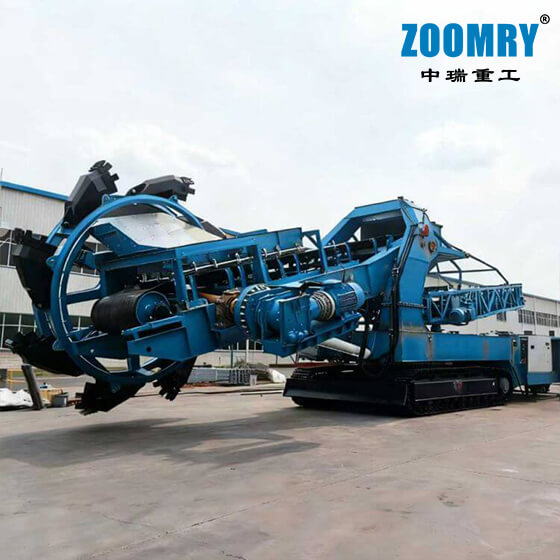
Bucket Wheel Stacker Reclaimer (left) vs Bucket Wheel Excavator (right) — two distinct machines for different mining tasks
What Is the Core Difference: Stacking & Reclaiming vs Excavation
The fundamental distinction comes down to the primary task each machine was designed to perform. A bucket wheel stacker reclaimer is a stockyard management tool — its job is to receive material from an incoming conveyor and stack it into organized stockpiles, then reclaim that material back onto an outgoing conveyor when needed. It is a logistics machine, optimizing material flow between production and shipping.
A bucket wheel excavator is a production machine — its job is to continuously cut into a mine face or bench, extracting raw material that has never been moved before. It replaces the intermittent cycle of drill-blast-load-haul with continuous excavation, feeding directly into a belt conveyor system that carries material out of the pit.
Think of it this way: the stacker reclaimer manages material that has already been mined; the excavator creates the material that the stacker reclaimer will later manage.
Head-to-Head Comparison: Bucket Wheel Stacker Reclaimer vs Bucket Wheel Excavator
| Feature | Bucket Wheel Stacker Reclaimer | Bucket Wheel Excavator |
|---|---|---|
| Primary Task | Stacking incoming material + reclaiming from stockpiles | Continuous excavation of virgin material from mine face |
| Material Source | Already-mined material delivered by conveyor or truck | In-situ ore, overburden, or coal seam at the mine face |
| Material Hardness | Loose to semi-hard bulk (≤100 MPa typical) | Up to 300 MPa hard rock with tungsten carbide blades |
| Blade Design | Mn13 steel + 3 mm tungsten carbide for wear resistance | Mn13 steel + 5 mm tungsten carbide for impact resistance |
| Installation | Fixed or rail-mounted at a dedicated stockyard | Tracked, self-propelled, moves along the mine bench |
| Throughput | 500–3,000 m³/h | 500–3,000 m³/h |
| Bucket Wheel Speed | 2–6 r/min (higher for stacking, lower for reclaiming) | 2–6 r/min (lower for hard rock, higher for soft material) |
| Slewing Range | ±65–360° for full stockpile coverage | ±65–360° for fan-shaped bench excavation |
| Typical Location | Stockyard, port terminal, power plant yard | Open-pit mine bench, overburden removal site |
When to Choose a Bucket Wheel Stacker Reclaimer
Select a bucket wheel stacker reclaimer when your operational priority is efficient stockyard management. These are the scenarios where it excels:
- Blending Operations: When you need to homogenize material from multiple sources — such as blending different coal seams for consistent power plant fuel quality — the stacker reclaimer's layered stacking and precision reclaiming ensure uniform output.
- Buffer Storage: Between intermittent mine production and continuous processing, or between continuous production and intermittent shipping, the stacker reclaimer acts as a buffer — absorbing supply and demand fluctuations.
- Port and Terminal Yards: For port terminal operations where vessels load and unload on irregular schedules, the stacker reclaimer manages the stockpile between ship arrivals.
- Power Plant Fuel Management: In thermal power plants, consistent coal feed to boilers is critical — the stacker reclaimer ensures fuel is always available at the required blend and rate.
When to Choose a Bucket Wheel Excavator
Select a bucket wheel excavator when your operational priority is continuous mine production. These are the scenarios where it excels:
- Overburden Removal: Before reaching the ore body, massive volumes of overburden must be stripped. The excavator's continuous cutting action moves overburden 3–6 times faster than truck-and-shovel methods, directly feeding a conveyor out of the pit.
- Large-Scale Open-Pit Mining: For operations producing millions of tons annually — coal, lignite, oil sands — the excavator eliminates the cost and logistics of a truck fleet. One machine replaces multiple hydraulic excavators and dozens of haul trucks.
- Hard Rock Extraction (with Proper Configuration): When equipped with 5 mm tungsten carbide-coated blades and high-torque drive (up to 1,100 kW), the excavator handles ores up to 300 MPa hardness — suitable for mining operations in iron ore, copper, and bauxite.
Decision Flowchart: Which Machine Fits Your Operation?
| Your Situation | Recommended Equipment | Why |
|---|---|---|
| You need to stack incoming material and reclaim it later | Stacker Reclaimer | Dual function — one machine, one stockyard, two jobs |
| You need to extract virgin material from a mine face | Excavator | Purpose-built for cutting into in-situ material |
| Your material is loose coal, aggregates, or grain | Stacker Reclaimer | Standard blades are sufficient — no need for heavy excavation kit |
| Your material is hard rock over 200 MPa | Excavator | 5 mm tungsten carbide blades + high-torque drive required |
| You operate at a fixed stockyard with conveyor infrastructure | Stacker Reclaimer | Fixed or rail-mounted installation integrates with conveyor network |
| You need to move the machine along a mine bench as extraction progresses | Excavator | Self-propelled tracked mobility for bench advancement |
| You need one machine for multiple stockpiles across your site | Neither — consider a Mobile Bucket Wheel | Universal machine that moves between stockpiles; neither purely stacker nor excavator |
What About Machines That Do Both — or Neither?
ZOOMRY's bucket wheel equipment family includes machines that don't fit neatly into the "stacker reclaimer or excavator" binary. These fill the gaps for operations with mixed requirements:
- Mobile Bucket Wheel: When you need universal stacking and reclaiming across multiple sites — mines, ports, power plants — without being locked to one stockyard. Explore Mobile Bucket Wheel →
- Mobile Stacker Reclaimer: When you need dual stacking and reclaiming capability but with the flexibility to reposition between stockpiles on tracks. Explore Mobile Stacker Reclaimer →
- Bucket Wheel Reclaimer: When reclaiming precision matters more than stacking — dedicated reclaiming with ≤2% deviation for power plant fuel feed. Explore Bucket Wheel Reclaimer →
- Tracked Bucket Wheel Reclaimer: When you need reclaiming precision but on soft ground where wheeled machines cannot operate. Explore Tracked Bucket Wheel Reclaimer →
Frequently Asked Questions
Can a bucket wheel stacker reclaimer be used for excavation?
No — and attempting it will cause expensive damage. The stacker reclaimer's blades are designed for loose, already-mined material. Its 3 mm tungsten carbide coating provides excellent wear resistance against abrasive bulk materials, but lacks the impact resistance needed for cutting into compacted in-situ rock. The drive system is also optimized for the lower torque demands of reclaiming from a stockpile, not the high-impact loads of cutting a mine face.
Can a bucket wheel excavator also stack material?
Yes — with a caveat. The excavator can discharge onto a conveyor for stacking, but it is not optimized for precision stockpile management. It lacks the layered stacking control and blending precision that a dedicated stacker reclaimer provides. If your operation requires both excavation and stockyard management, running both machines — or selecting a Mobile Stacker Reclaimer for the stockyard — is the more efficient configuration.
What capacity of bucket wheel equipment do I need for my mine?
ZOOMRY bucket wheel equipment spans 500–3,000 m³/h across the entire series. The right capacity depends on your annual production target, material density, and operating hours per day. For a typical open-pit mine producing 10 million tons annually with 6,000 operating hours, a 2,000–3,000 m³/h machine is appropriate. Contact our engineers with your specific production data for a precise sizing recommendation — the excavator and stacker reclaimer share the same capacity range but are configured differently for their respective tasks.
Related Solutions for Mining Operations
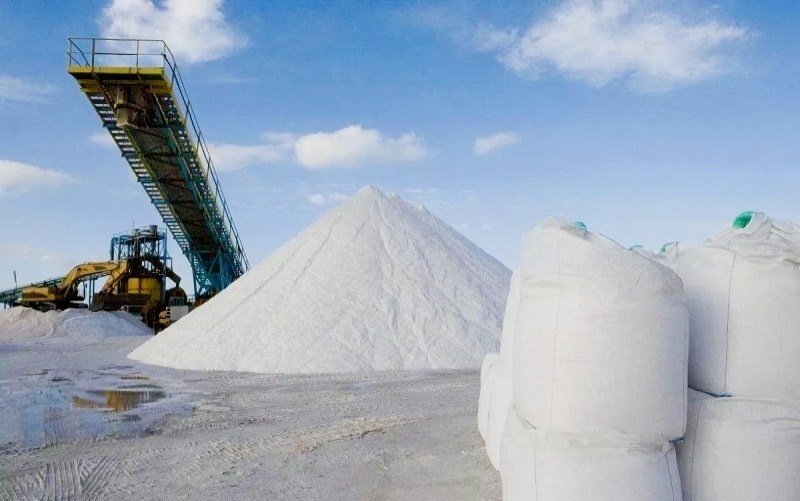
Alkali-resistant HDPE idlers and enclosed Pipe conveyors for soda ash production.
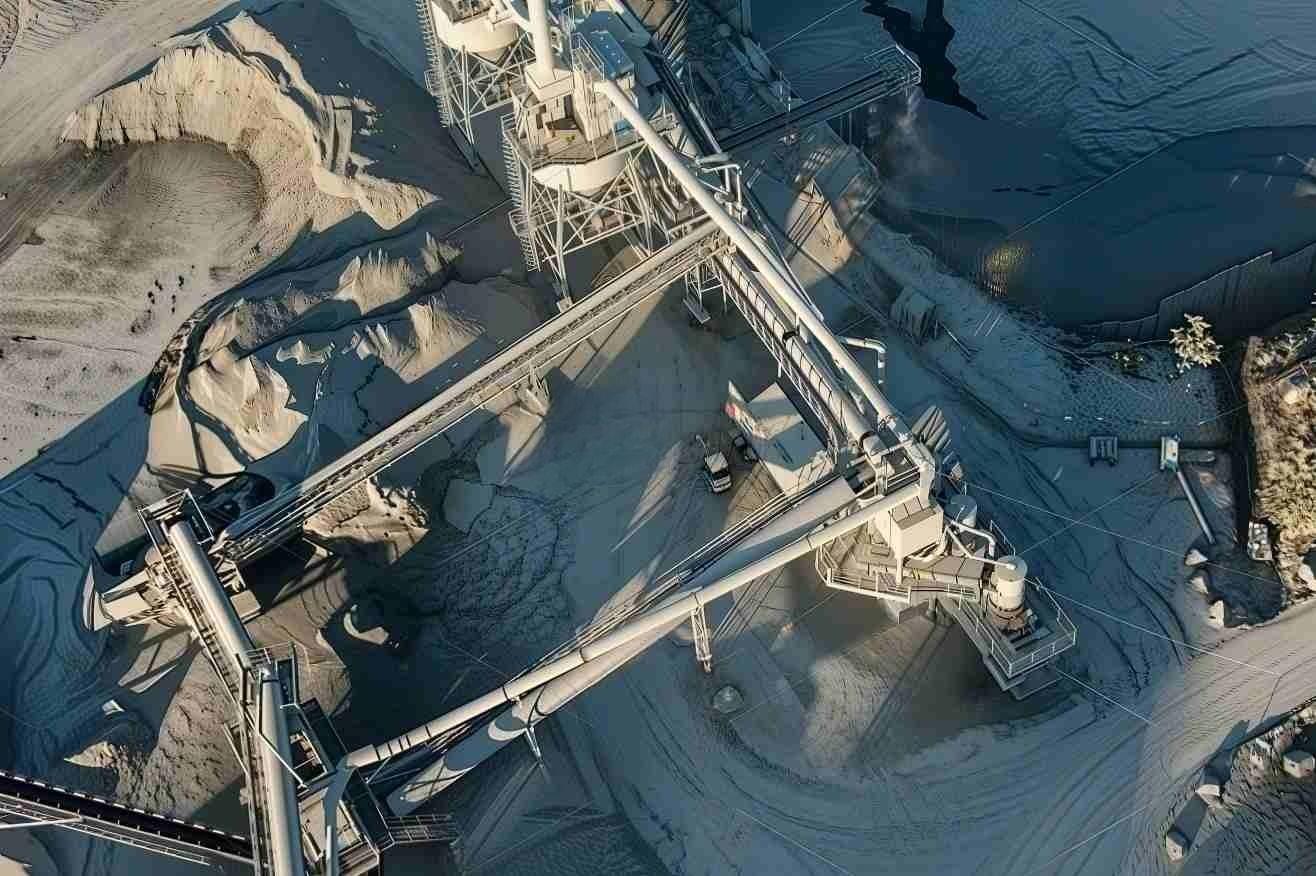
Radial telescopic stackers and hopper feeders for ready-mix and precast plants.
Not Sure Which Bucket Wheel Equipment Fits Your Mine?
Tell us your material type, annual production target, and site layout — our engineers will recommend the optimal bucket wheel configuration.
Get a Custom Recommendation