 ZOOMRY

The difference between a stacker and a reclaimer lies in the direction of material flow and the machine's primary function within a bulk material handling system. A stacker receives material from a feed conveyor and builds a stockpile by discharging it onto a storage area. A reclaimer performs the opposite function — it removes material from an existing stockpile and feeds it onto a downstream conveyor for transport to processing, loadout, or ship loading. Both machines are essential to stockyard management, and in many operations a combined stacker-reclaimer performs both functions from one machine.
Core Functional Difference
In a bulk material stockyard, material handling follows two primary movements: material arrives at the yard, is stacked for storage, and is later reclaimed for use or export. These two operations require different machine behaviors.
A stacker receives bulk material — such as coal, iron ore, or aggregates — from an incoming conveyor and discharges it onto a stockpile. The stacker's boom raises, lowers, slews, and sometimes extends to spread material in controlled layers across the storage area. Layered stacking helps reduce segregation and builds stable stockpiles with predictable reclaim characteristics.
A reclaimer works in the opposite direction. It cuts into an existing stockpile using a bucket wheel, scraper chain, or other reclaiming mechanism, removing material layer by layer and transferring it onto a takeaway conveyor. The reclaimed material then continues to a processing plant, power plant feed system, or ship loading terminal.
Equipment Types
Stackers
Stackers are available in fixed, rail-mounted, and mobile configurations. A telescopic stacker uses an extendable boom to build longer, more uniform stockpiles from a single feed position, while a wheel radial stacker combines radial slewing with wheeled mobility for flexible stockyard operations.
Common stacker types include:
- Telescopic stackers: Extendable boom for layered stockpile building
- Radial stackers: Slewing boom that builds fan-shaped stockpiles from a pivot point
- Tracked stackers: Crawler-mounted units for soft ground and temporary stockpile sites
- Fixed stackers: Permanent installations with a dedicated feed conveyor and stockpile zone
Reclaimers
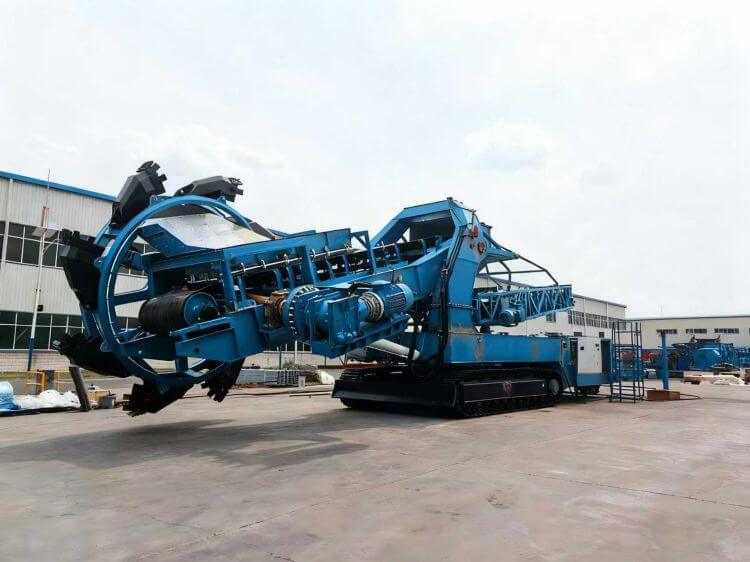
Reclaimers remove material from stockpiles using specialized reclaiming mechanisms. A Bucket Wheel Reclaimer uses a rotating wheel fitted with buckets to cut into the stockpile face, providing continuous high-capacity reclaiming for power plants, mines, and port stockyards.
Common reclaimer types include:
- Bucket Wheel Reclaimers: High-capacity continuous reclaiming with a rotating bucket wheel
- Scraper reclaimers: Chain or scraper-based systems for enclosed or low-profile stockpile reclaiming
- Tracked reclaimers: Mobile crawler-mounted units for flexible reclaim operations across multiple stockpile zones
Combined Stacker-Reclaimers
A Bucket Wheel Stacker Reclaimer combines both functions in a single machine. It stacks incoming material using its boom conveyor, then switches to reclaiming mode by reversing the material flow and using its bucket wheel to dig into the stockpile. Combined machines are common in large coal yards, iron ore stockyards, and port terminals where continuous stacking and reclaiming operations must share the same stockyard area.
Key Differences at a Glance
| Comparison Factor | Stacker | Reclaimer |
|---|---|---|
| Primary function | Build stockpiles from incoming material | Remove material from existing stockpiles |
| Material flow direction | From feed conveyor to stockpile | From stockpile to takeaway conveyor |
| Key mechanism | Boom conveyor with slewing and luffing | Bucket wheel, scraper chain, or drum |
| Typical output | Controls stockpile shape, layers, and capacity | Delivers material at controlled rate to downstream system |
| Mobility options | Fixed, rail-mounted, wheeled, or tracked | Fixed, rail-mounted, or tracked |
| Common applications | Mine stockyards, quarry yards, port terminals | Power plant fuel yards, port reclaim operations, processing plant feed |
When a Stacker Makes Sense
Stackers are selected when the primary need is to receive material efficiently and build stockpiles that maximize storage capacity while preserving material quality.
- High inbound material flow: When trucks, crushers, or incoming conveyors deliver material continuously, a stacker spreads it across the yard without loader assistance.
- Segregation control: Layered stacking with adjustable discharge height helps distribute fine and coarse particles evenly through the stockpile.
- Loader dependency reduction: Direct conveyor-to-stockpile placement reduces wheel loader re-handling, lowering fuel and labor costs.
- Large stockpile areas: Radial and telescopic functions cover more ground from a single feed point than fixed discharge points.
When a Reclaimer Makes Sense
Reclaimers are selected when the primary need is to remove material from stockpiles at a controlled rate and feed it reliably to a downstream process.
- Continuous downstream demand: Power plants, processing facilities, and ship loading terminals require steady material feed that a reclaimer can deliver without interruption.
- High reclaim capacity: Bucket wheel reclaimers provide continuous reclaiming at high tonnage rates, far exceeding what front-end loaders can sustain.
- Precision reclaiming: Layer-by-layer reclaiming maintains consistent material blend and reduces dead stock left in the yard.
- Automated stockyard operation: Rail-mounted reclaimers with PLC control support semi-automated or fully automated stockyard management.
When a Combined Stacker-Reclaimer Makes Sense
Combined machines are selected when a stockyard must handle both stacking and reclaiming operations but space, budget, or operational requirements favor a single machine over separate units.
- Shared stockyard space: When stacking and reclaiming occur in the same yard area, a combined machine eliminates the need for separate travel paths.
- Reduced equipment investment: One machine replaces two, lowering capital cost and maintenance overhead.
- Phased operations: Terminals that stack during vessel arrivals and reclaim during loading windows can switch modes without moving equipment.
Project Applications
As a bulk material handling equipment manufacturer, ZOOMRY has delivered stackers, reclaimers, and combined stacker-reclaimers for mining, port, and power plant applications. The Bucket Wheel Stacker Reclaimer product line has been recognized with international design awards for its balance of high-capacity performance and operational reliability.
Key Selection Factors
- Stockyard layout: Stockpile dimensions, travel path, and available space determine whether fixed, rail-mounted, or mobile configurations are practical.
- Stacking and reclaiming capacity: Required tonnage rates for both operations determine machine size and drive power.
- Material characteristics: Bulk density, particle size, abrasiveness, and moisture content affect bucket wheel design, belt selection, and wear protection.
- Automation level: PLC control, remote operation, and integrated stockyard management systems are available for high-throughput operations.
- Operational pattern: Continuous stacking, continuous reclaiming, or alternating modes influence whether separate or combined machines are optimal.
Frequently Asked Questions
Can a stacker also reclaim material?
A standard stacker is not designed to reclaim material from a stockpile. However, a combined stacker-reclaimer performs both functions by reversing material flow and switching between the boom conveyor for stacking and the bucket wheel for reclaiming.
What is the advantage of a bucket wheel reclaimer over a front-end loader?
A bucket wheel reclaimer provides continuous, high-capacity material feed at a controlled rate, which a front-end loader cannot sustain. Reclaimers also reduce labor requirements, fuel consumption, and material spillage in high-volume stockyard operations.
Which machine is better for a coal-fired power plant?
Coal-fired power plants typically use a combined stacker-reclaimer or a dedicated bucket wheel reclaimer. The choice depends on whether the plant receives coal by rail or conveyor (requiring stacking) and how continuously the plant consumes fuel (requiring reclaiming).
Are stackers and reclaimers available in mobile configurations?
Yes. Mobile stackers are available in wheeled and tracked configurations for flexible stockpile operations. Tracked Bucket Wheel Reclaimers provide reclaiming capability on soft ground or across multiple stockpile zones where rail-mounted units are impractical.
Related Products
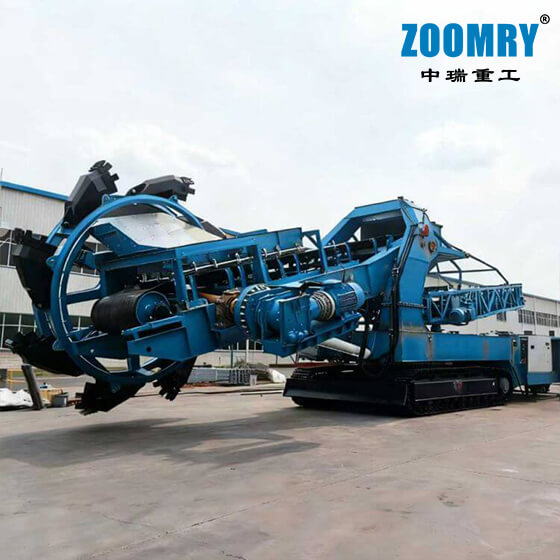
Combined stacking and reclaiming for high-capacity yards
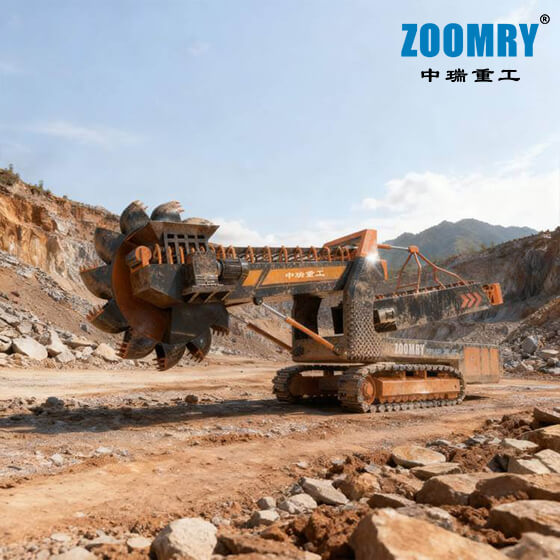
Precision reclaiming for power plants and mines
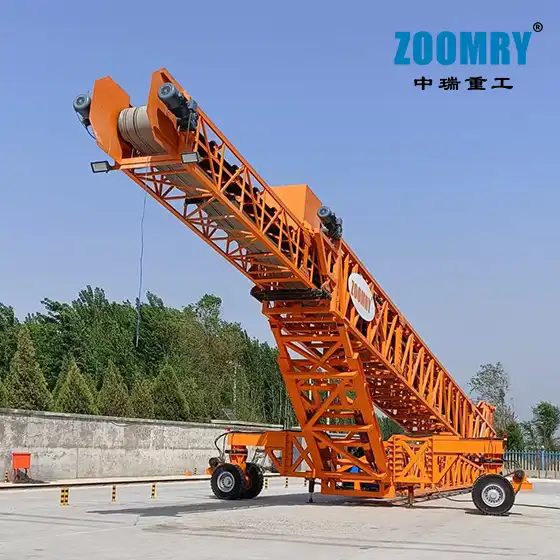
Wheeled radial stacking for flexible stockpile building
Industry Applications
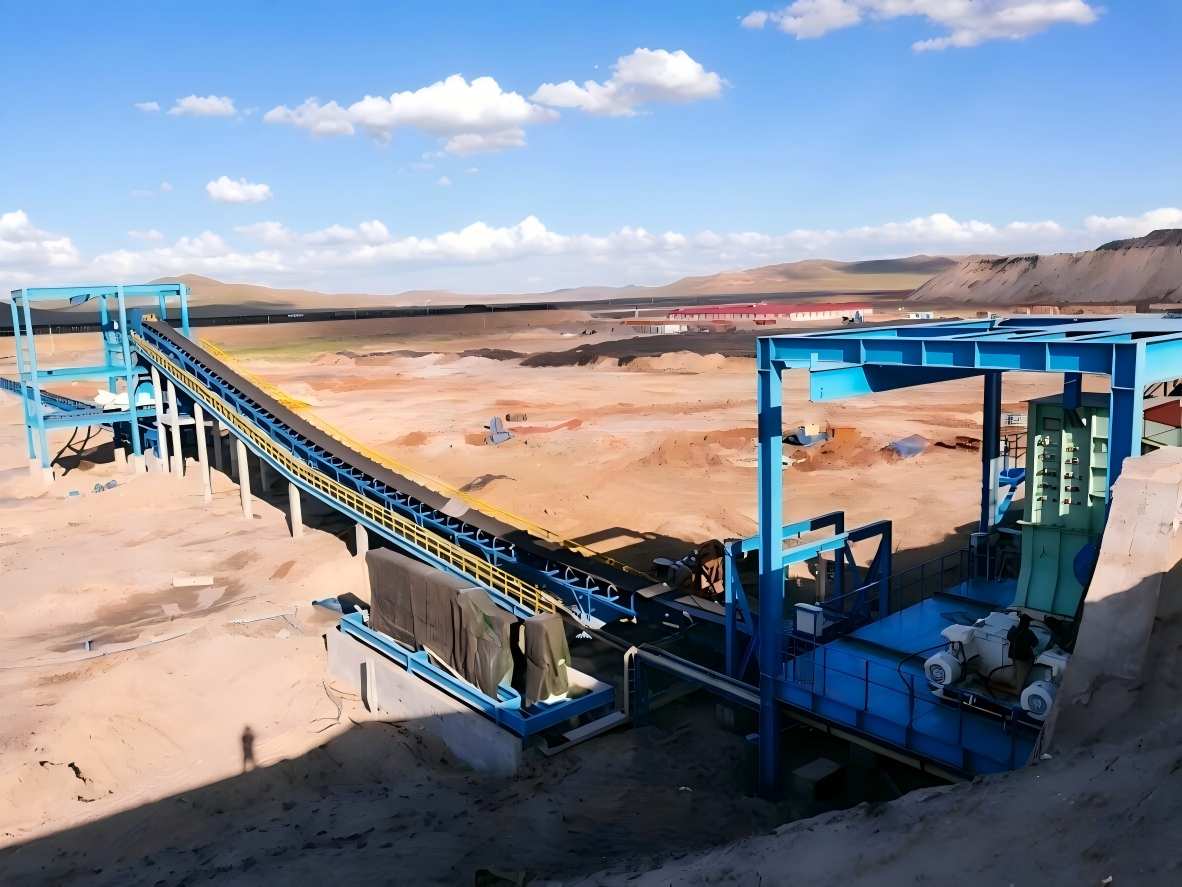
Stockyard solutions for surface and underground mines
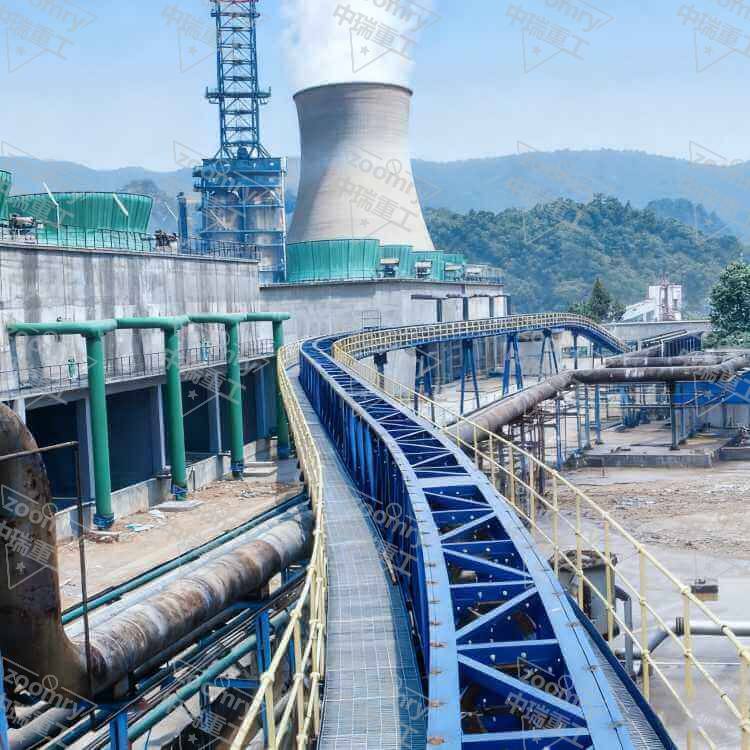
Coal and biomass stockyard handling for power plants
Evaluating Stacking or Reclaiming Equipment for Your Stockyard?
Share your material type, stockpile capacity, and operating pattern. ZOOMRY can help determine whether a stacker, reclaimer, or combined stacker-reclaimer fits your operation.
Contact Us →