 ZOOMRY

Quick answer: A Bucket Wheel Stacker Reclaimer is a heavy-duty, continuous machine used for large-scale, high-capacity stockyards (500–3,000 m³/h), capable of both stacking and reclaiming. A radial telescopic stacker is a mobile, highly flexible machine used for building conical or kidney-shaped stockpiles (500–3,500 m³/h). The choice depends on whether you need continuous bulk reclaiming or flexible, low-CAPEX stockpiling.
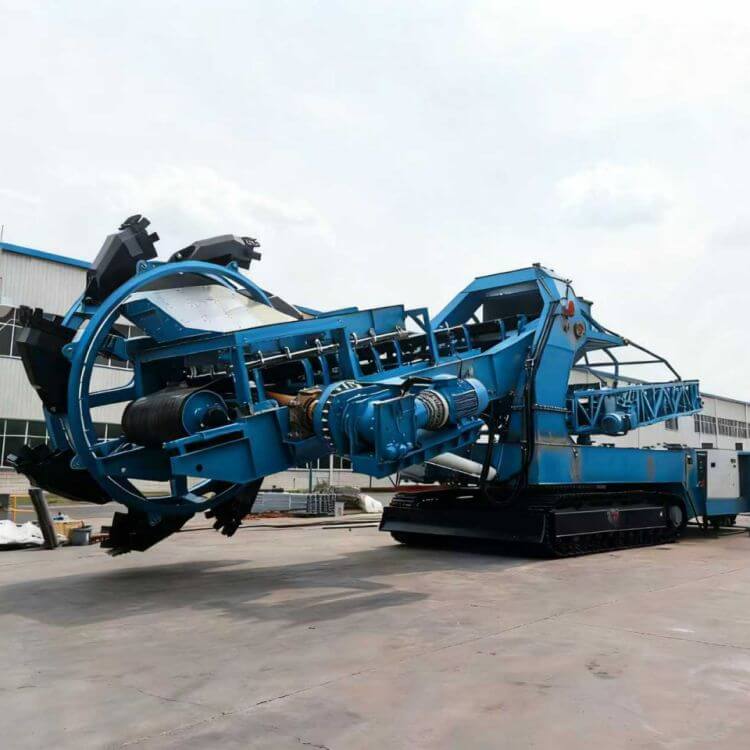
What is a Bucket Wheel Stacker Reclaimer?
A bucket wheel stacker reclaimer (BW-SR) is a massive, often rail-mounted machine that uses a rotating bucket wheel to cut material from a stockpile and a boom conveyor to stack it. It is the backbone of large coal yards, iron ore stockyards, and port terminals.
- Capacity: 500–3,000 m³/h.
- Mobility: Rail-mounted (standard) or tracked (for flexible yards).
- Best for: High-volume, continuous operations where material blending and precise reclaiming (deviation ≤2%) are required.
What is a Radial Telescopic Stacker?
A radial telescopic stacker is a mobile, wheeled or tracked conveyor with a telescopic boom. It builds stockpiles by layering material, which helps reduce segregation and dust. It does not reclaim material; a separate wheel loader or reclaimer is needed for that.
- Capacity: 500–3,500 m³/h.
- Mobility: Wheeled or tracked, highly maneuverable.
- Best for: Multi-product stockyards, temporary stockpiles, and operations looking to eliminate wheel loader double-handling.
Head-to-Head Comparison
| Feature | Bucket Wheel Stacker Reclaimer | Radial Telescopic Stacker |
|---|---|---|
| Primary Function | Stacking + Reclaiming | Stacking only |
| Mobility | Rail-mounted or tracked | Wheeled or tracked (highly mobile) |
| Reclaiming Method | Bucket wheel (continuous) | Requires wheel loader / dozer |
| CAPEX | High | Low to Moderate |
| Best For | Large, fixed stockyards | Multi-berth, flexible operations |
When to Choose a Bucket Wheel Stacker Reclaimer
- High continuous throughput: You need to move 500–3,000 m³/h consistently.
- Blending requirements: You need precise layered reclaiming to blend different grades of ore or coal.
- Fixed terminal: The stockyard is permanent, and you want to minimize labor and wheel loader costs.
When to Choose a Radial Telescopic Stacker
- Multi-product flexibility: You handle different materials (e.g., aggregates, grain, coal) and need to move between piles.
- Low initial budget: You want to reduce CAPEX and avoid heavy rail/foundation construction.
- Eliminate double-handling: You want to stack directly from the conveyor, reducing loader re-handling.
Frequently Asked Questions
Can a radial telescopic stacker reclaim material?
No. A radial telescopic stacker is a stacking-only machine. To reclaim material from the stockpile, you need a wheel loader, an excavator, or a dedicated reclaimer (such as a Bucket Wheel Reclaimer).
What is the capacity of ZOOMRY's bucket wheel stacker reclaimer?
ZOOMRY's bucket wheel stacker reclaimers cover capacities from 500 to 3,000 m³/h, with 8–12 buckets and single bucket volumes of 0.25–0.71 m³.
Can the bucket wheel stacker reclaimer operate on unpaved ground?
Yes. The tracked configuration is designed for soft ground, unpaved yards, and temporary mining sites, with a ground pressure of ≤193 kPa.
What is the reclaiming deviation of a ZOOMRY Bucket Wheel Reclaimer?
ZOOMRY bucket wheel reclaimers achieve a reclaiming deviation of ≤2% with load-adaptive torque control, ensuring precise layered blending.
Related Products
Rail-mounted or tracked, 500–3,000 m³/h
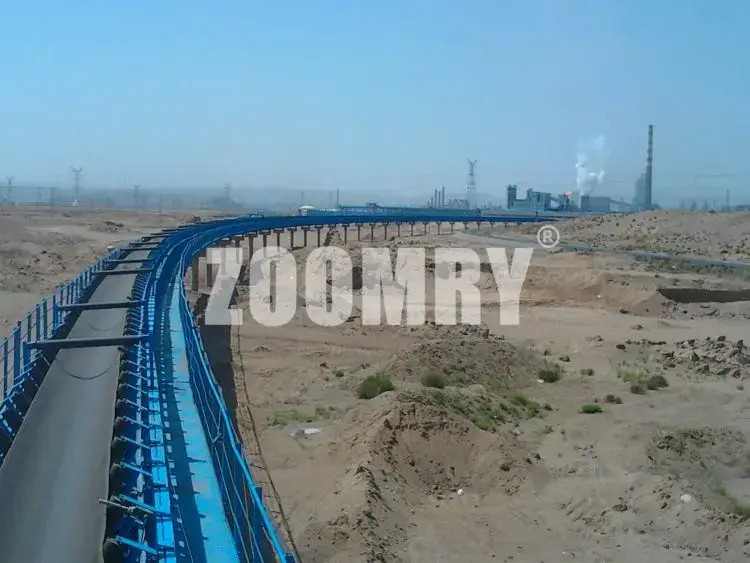
Mobile stockpiling for aggregates and mines
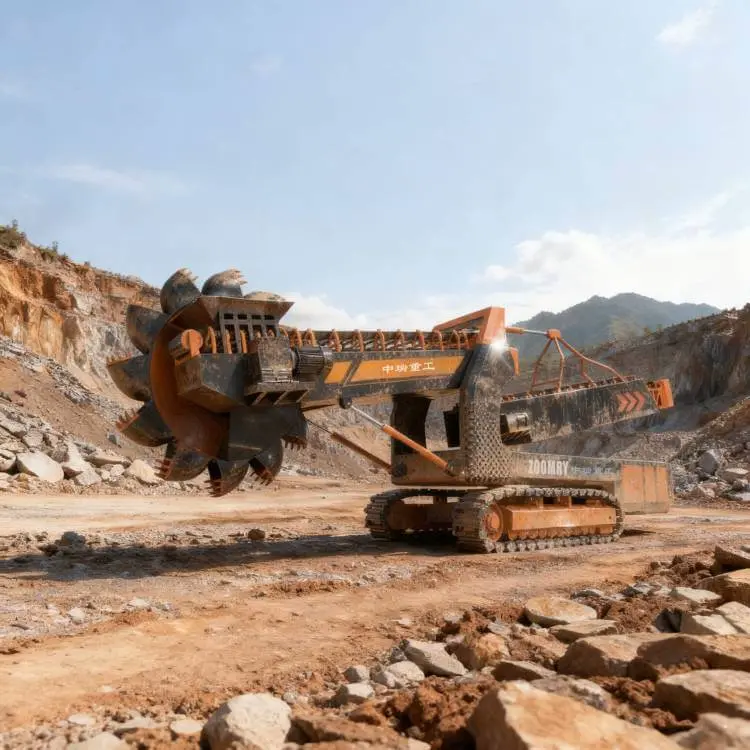
Precision reclaiming, 75–1,100 kW
Industry Applications
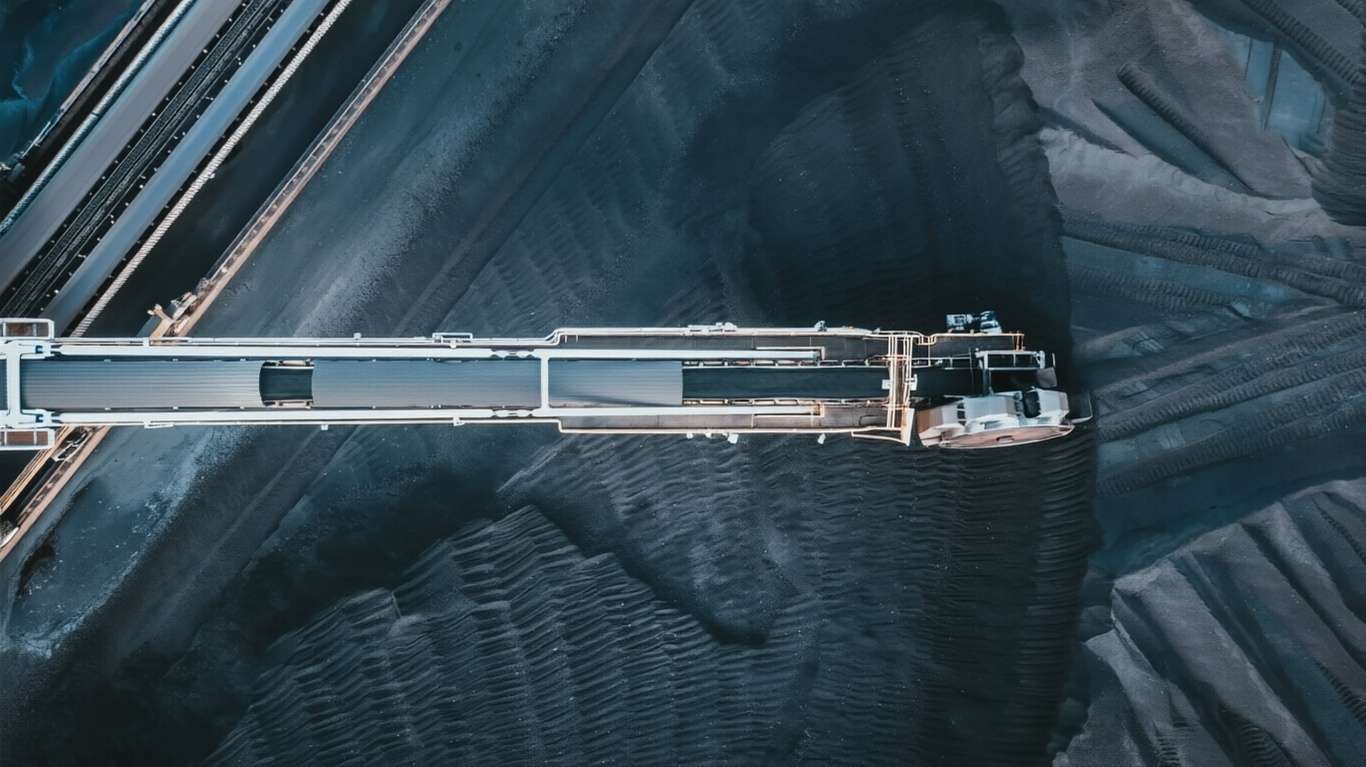
Coal stockyard stacking and reclaiming
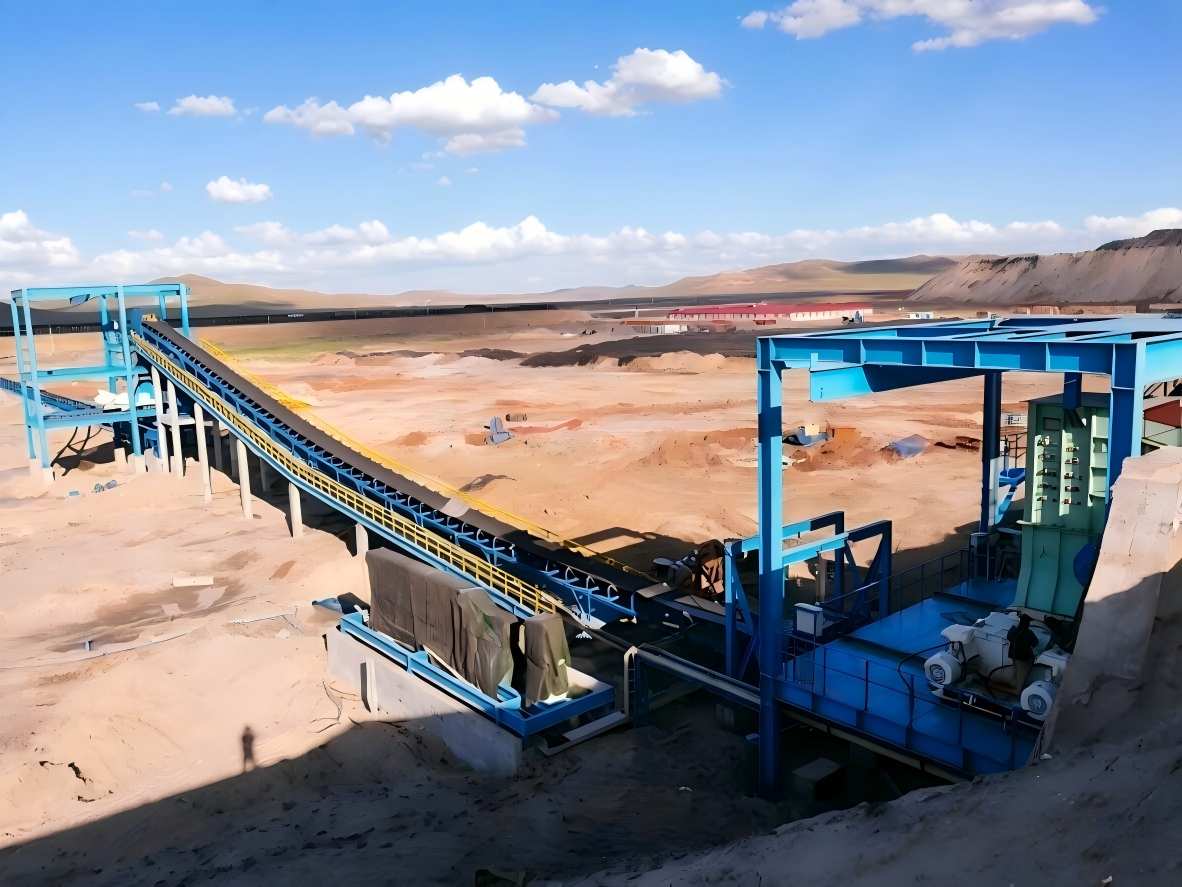
Iron ore and mineral stockyards
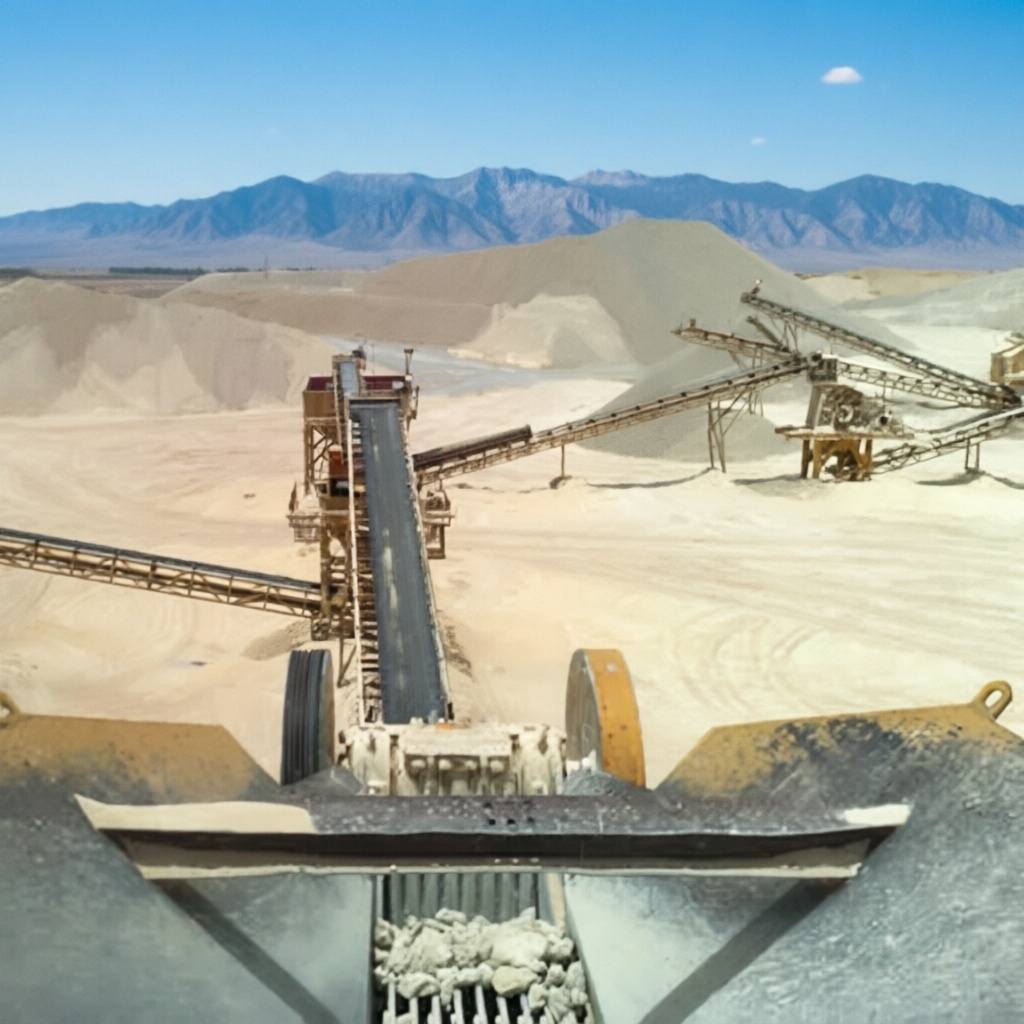
Aggregate stockyard equipment
Not Sure Which Stockyard Machine You Need?
Share your stockyard capacity, material type, and budget. ZOOMRY can help you select the optimal combination of stackers and reclaimers.
Contact Us →