 ZOOMRY

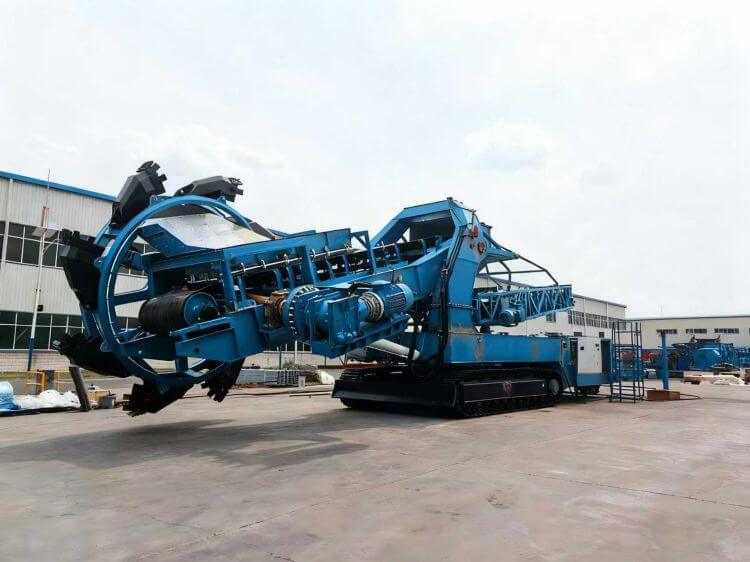
The difference between a stacker reclaimer and a Bucket Wheel Excavator lies in their primary working environment and function. A stacker reclaimer operates in a stockyard, stacking incoming bulk material into piles and reclaiming it for downstream processing or ship loading. A Bucket Wheel Excavator operates at a mining face, continuously cutting into undisturbed earth, ore, or overburden to extract material for transport. Both machines use a rotating bucket wheel as a key component, but their applications, structures, and operating conditions are fundamentally different.
Core Functional Difference
A Bucket Wheel Stacker Reclaimer is a stockyard machine that performs two functions: stacking and reclaiming. In stacking mode, it receives material from an incoming conveyor and discharges it through a boom to build stockpiles. In reclaiming mode, it uses its bucket wheel to dig into the stockpile and transfer material onto a takeaway conveyor. The machine switches between these two modes as needed, serving as the central material handling hub of a coal yard, ore stockyard, or port terminal.
A bucket wheel excavator is a mining machine that continuously extracts material from the working face of an open-pit mine or quarry. It cuts into undisturbed ground using a large bucket wheel mounted on a boom, removing overburden, coal, or ore layer by layer. The excavated material is transferred to a conveyor system for transport out of the mine. Unlike a stacker reclaimer, a bucket wheel excavator does not stack material or manage stockpiles — its sole function is extraction from the ground.
Key Differences at a Glance
| Comparison Factor | Stacker Reclaimer | Bucket Wheel Excavator |
|---|---|---|
| Working environment | Stockyard or storage yard | Open-pit mine or quarry working face |
| Primary function | Stack incoming material and reclaim stockpiles | Excavate undisturbed earth, ore, or overburden |
| Material source | Incoming conveyor or existing stockpile | Natural ground at the mining face |
| Material output | To takeaway conveyor for processing or ship loading | To conveyor system for transport out of mine |
| Bucket wheel purpose | Reclaiming material from stockpiles | Cutting and extracting material from the ground |
| Structural design | Lighter construction for stockyard duty | Heavy-duty construction for continuous cutting forces |
| Mobility | Rail-mounted or tracked within the stockyard | Tracked or walking, following the mining face |
When a Stacker Reclaimer Makes Sense
Stacker reclaimers are selected when a facility receives, stores, and dispatches bulk material through a central stockyard.
- Coal-fired power plants: The stacker reclaimer builds and reclaims coal stockpiles that buffer between train or ship arrivals and continuous boiler demand.
- Port export terminals: Iron ore, coal, and aggregate terminals use stacker reclaimers to manage stockpiles between vessel calls.
- Steel mills: Raw material yards for iron ore and coking coal rely on stacker reclaimers for continuous furnace feed management.
- Cement plants: Limestone and additive stockpiles are stacked and reclaimed for kiln feed control.
When a Bucket Wheel Excavator Makes Sense
Bucket wheel excavators are selected when a mining operation requires continuous, high-volume extraction from the ground.
- Lignite and soft coal mining: Bucket wheel excavators are the primary extraction machines in large open-pit lignite mines, where they remove coal and overburden continuously.
- Overburden removal: Large-scale mining operations use bucket wheel excavators to strip overburden before ore extraction.
- Mineral sands and soft rock: Deposits that can be cut without blasting are well suited to continuous bucket wheel extraction.
- Large quarry operations: Where material is soft enough for continuous cutting, bucket wheel excavators replace cyclic drilling and blasting.
Shared Technology, Different Application
Both machines use a rotating bucket wheel as a material-handling component, but the engineering requirements are substantially different.
A stacker reclaimer's bucket wheel is designed to dig into loose, previously stacked material. The digging resistance is relatively low, and the bucket wheel operates in a controlled stockyard environment with prepared ground and defined travel paths. The machine must balance stacking and reclaiming functions, switching between them without losing productivity.
A bucket wheel excavator's bucket wheel is designed to cut into compacted, undisturbed ground. The cutting forces are much higher, requiring a more powerful drive system, reinforced bucket construction, and a heavier machine structure. The excavator must advance continuously as the mining face retreats, which places additional demands on the travel system and conveyor connections.
Project Applications
ZOOMRY has delivered Bucket Wheel Stacker Reclaimers for mining, port, and power applications, with the bucket wheel stacker reclaimer product line recognized with international design awards for its balance of high-capacity performance and operational reliability. The equipment range covers stacking and reclaiming capacities from 500 to 3,000 m³/h, with fixed, rail-mounted, and tracked configurations available to match different stockyard layouts.
Key Selection Factors
- Application type: Stockyard management requires a stacker reclaimer. Mining face extraction requires a bucket wheel excavator.
- Material source: Pre-stacked material is handled by a stacker reclaimer. Undisturbed ground requires a bucket wheel excavator.
- Operating environment: Stockyards have prepared surfaces and defined travel paths. Mining faces have uneven ground and changing geometry.
- Cutting forces: Bucket wheel excavators must withstand much higher continuous cutting loads than stacker reclaimers.
- Capacity requirements: Both machines handle high tonnage, but the capacity of a bucket wheel excavator is tied to the mining plan, while a stacker reclaimer's capacity is tied to terminal or plant throughput.
Frequently Asked Questions
Can a stacker reclaimer be used for mining?
No. A stacker reclaimer is designed to handle loose material in a stockyard. It is not built to withstand the cutting forces required to extract undisturbed ground. Using a stacker reclaimer at a mining face would result in structural damage and rapid bucket wear.
Can a bucket wheel excavator be used in a stockyard?
In principle, a bucket wheel excavator could reclaim loose stockpile material, but it is over-engineered and uneconomical for that application. It cannot stack material, and its heavy structure and high power consumption are unnecessary for stockyard duty. Stacker reclaimers are the appropriate machine for combined stacking and reclaiming operations.
Why do both machines use a bucket wheel?
The bucket wheel is an efficient continuous digging mechanism. In a stacker reclaimer, it provides continuous reclaiming from stockpiles at controlled rates. In a bucket wheel excavator, it provides continuous cutting at the mining face, eliminating the need for cyclic drilling and blasting. The same principle serves different functions in different environments.
Which machine is more expensive?
Bucket wheel excavators are generally more expensive than stacker reclaimers of comparable capacity. The heavier structure, more powerful drives, reinforced buckets, and more complex travel systems required for mining face operation all add to the cost. Stacker reclaimers operate in a more controlled environment and can be built lighter and more economically.
Related Products
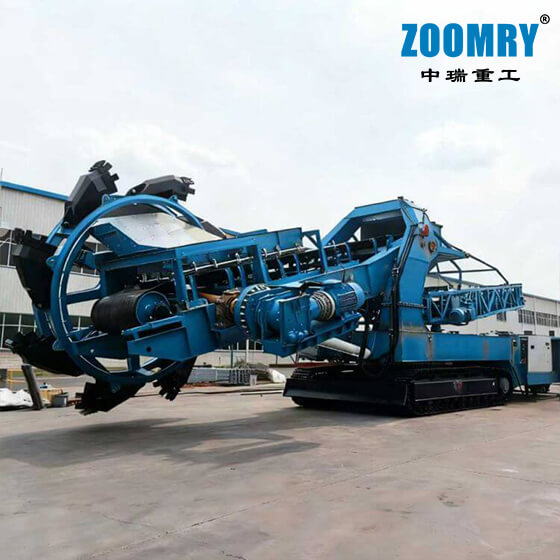
Combined stacking and reclaiming for stockyard management
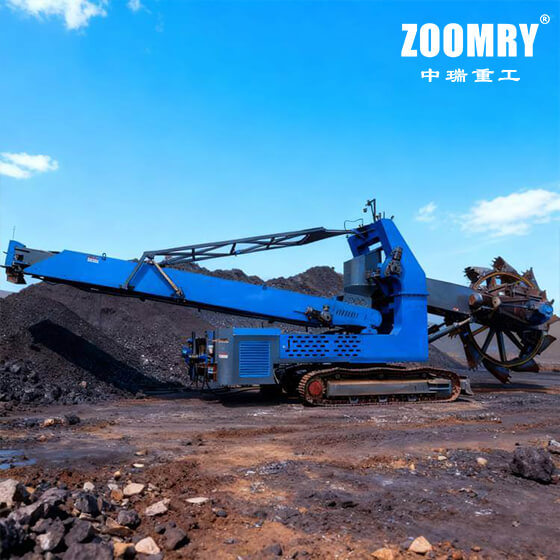
Continuous mining face extraction for open-pit operations
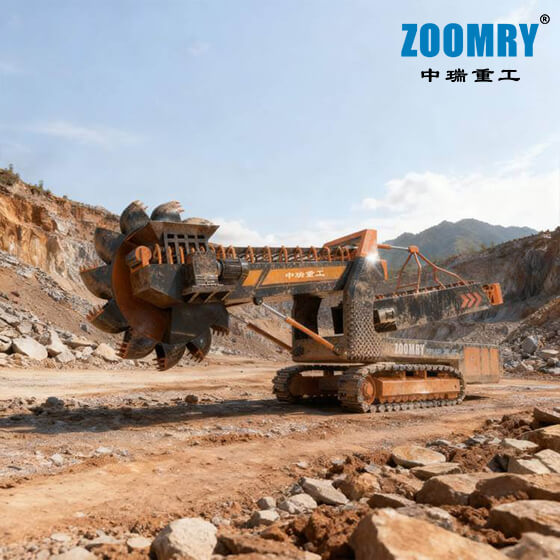
Industry Applications
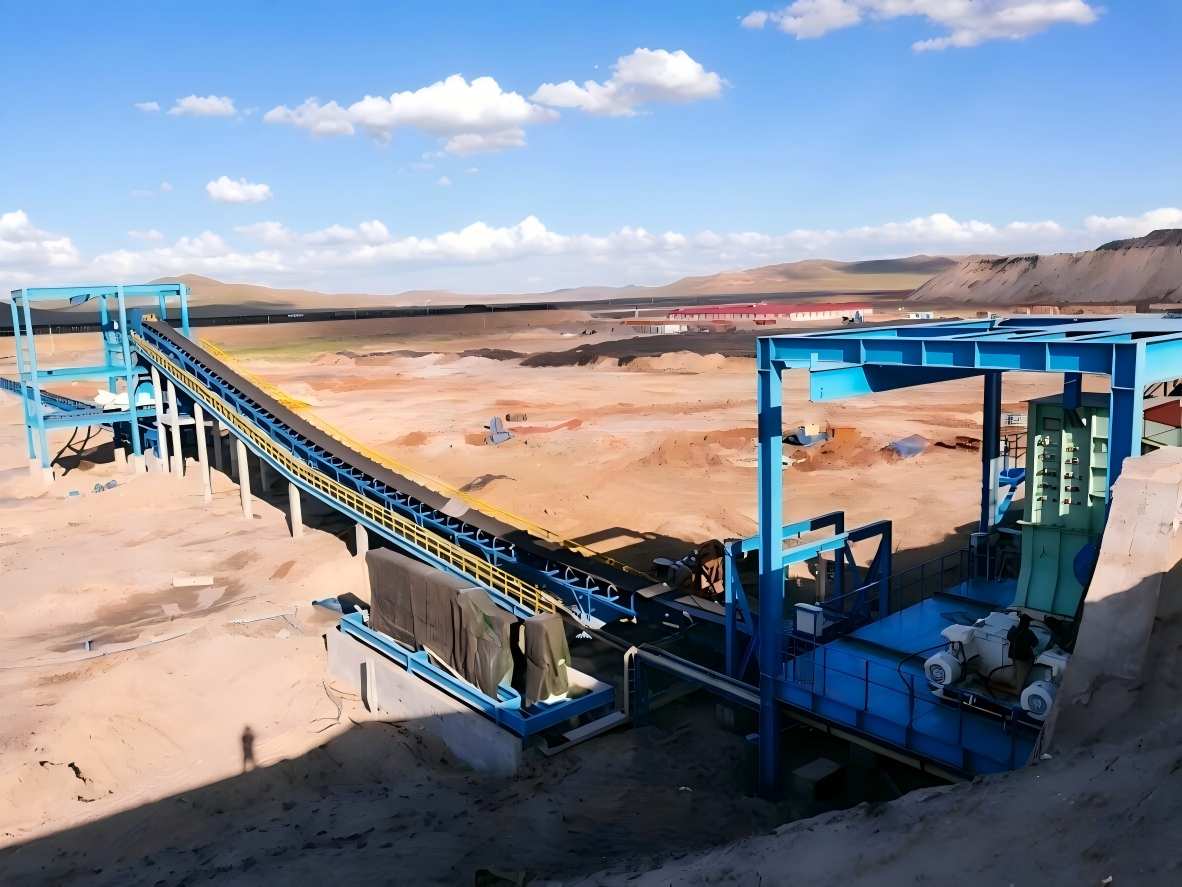
Stockyard and extraction solutions for surface mining
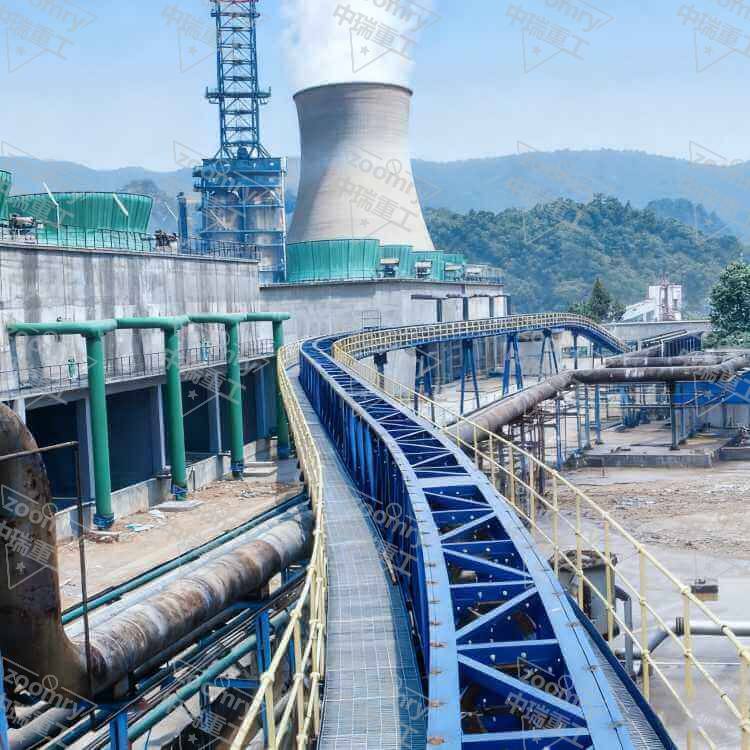
Coal stockyard management for power generation
Evaluating Stockyard or Mining Face Equipment?
Share your application type, material characteristics, and capacity requirements. ZOOMRY can help determine whether a stacker reclaimer or bucket wheel excavator fits your operation.
Contact Us →