 ZOOMRY

A Pipe conveyor is an advanced type of conveying equipment — also known as a tubular belt conveyor. It transports material by curling the Conveyor Belt into a tubular shape, combining the benefits of both pipeline and belt conveyors. As a professional bulk material handling solution provider, ZOOMRY engineers complete pipe conveyor systems for mining, cement, and chemical industries. This design enables large conveying angles, tight bends, and a compact body — facilitating 3D spatial bending without transfer points.
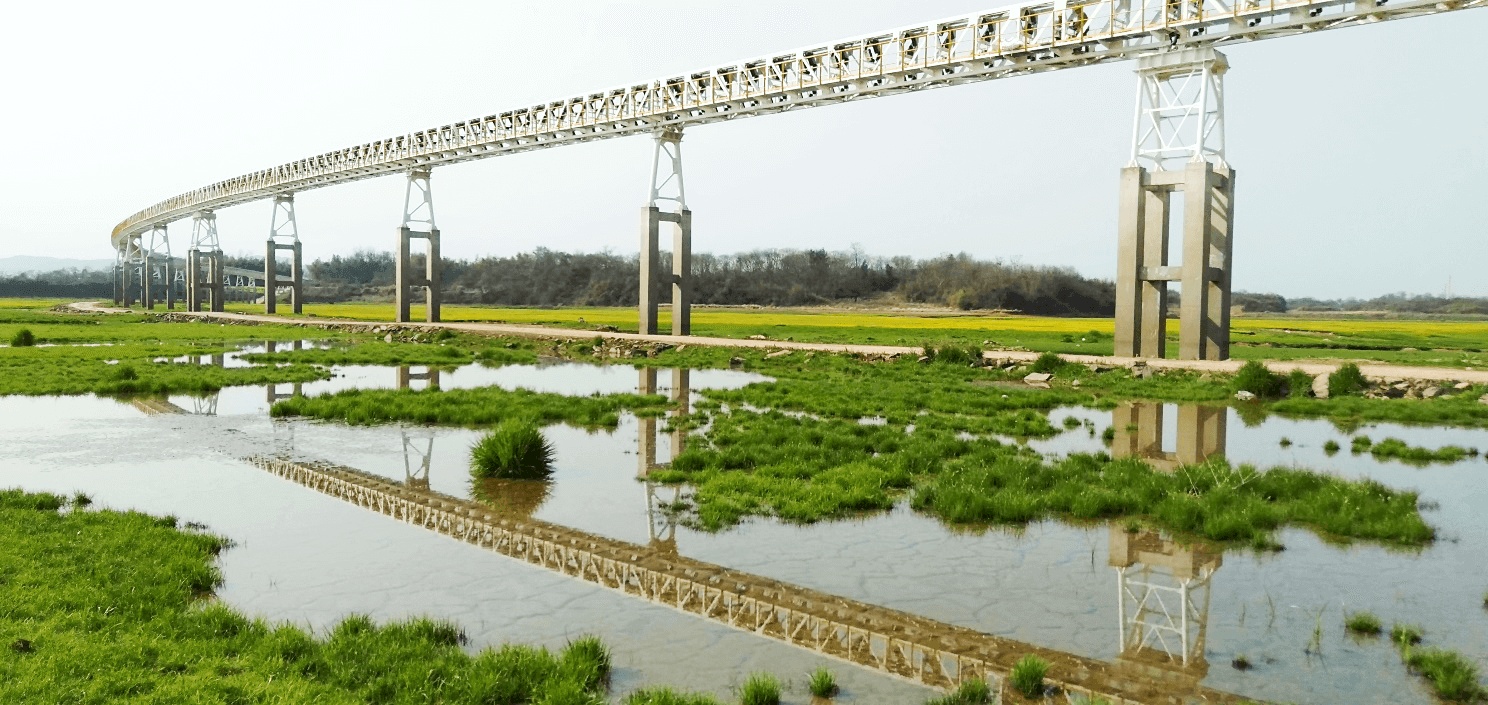
How the Pipe Conveyor Works
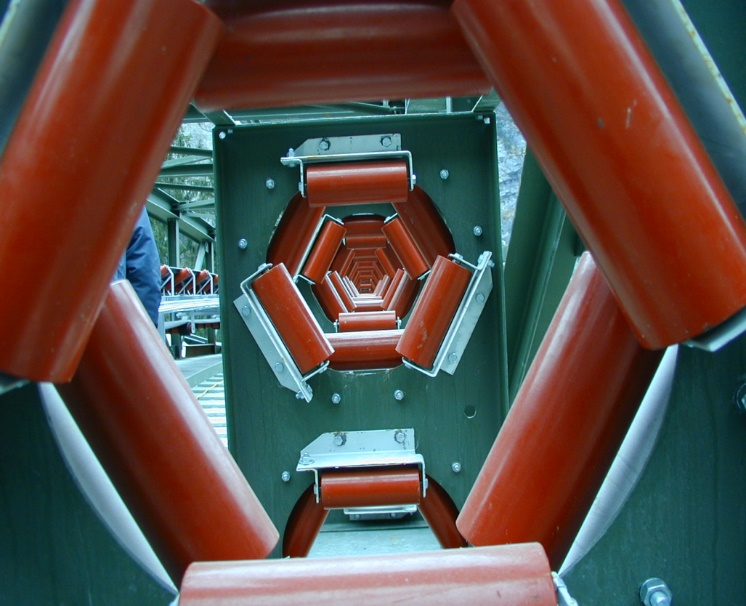
The conveyor belt serves as the medium for transmitting force and transporting materials. It is supported by flexible idler rollers, which support the belt carrying materials. The driving device turns the drum via friction — rotating the conveyor belt around the drum to move material. Unlike ordinary belt conveyors, the pipe conveyor forces the belt to curl into a sealed tube through a hexagonal idler roller group at operating speed. This enclosed transport prevents spillage, dust emissions, and contamination throughout the conveying route.
Application Scenarios of Pipe Conveyor
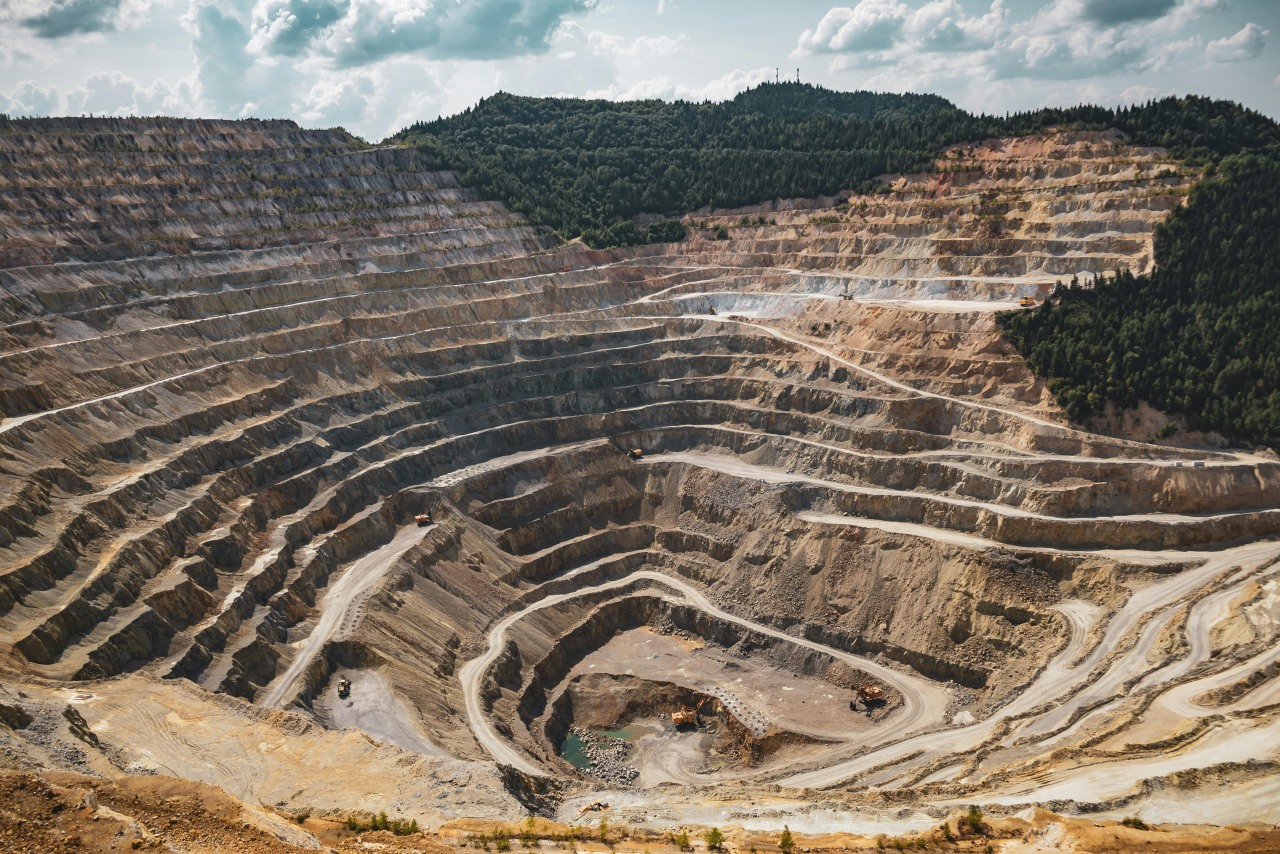
The pipe conveyor's enclosed design, flexible layout, stable conveying performance, and environmental protection features make it suitable for long-distance material transport under complex terrain. Key industries include:
Main Components of the Pipe Conveyor
Tubular Conveyor Belt: The tubular conveyor belt is the most critical component. Made of strong, wear-resistant rubber with steel wire ropes or fabric carcass inside for strength and flexibility — it effectively prevents material leakage and environmental pollution.
Driving Device: Consists of an electric motor, reducer, and drive drum. Motor power is selected based on conveying distance and material weight to ensure stable operation.
Idler Roller System: The idler roller system supports and guides the conveyor belt — divided into load-bearing idlers (support belt and materials) and return idlers (support empty belt). The hexagonal configuration forms the belt into its tubular shape.
Tensioning Device: Adjusts belt tension via take-up pulleys to prevent slipping or deviation from the track.
Enclosed System: Includes cover plates and side sealing plates to prevent material escape, dust leakage, and environmental pollution.
Features of the Pipe Conveyor
Considerations for Purchasing a Pipe Conveyor
Installation Services: Choose a manufacturer with fast, reliable delivery — ZOOMRY provides very short lead times, ensuring equipment arrives on schedule and passes commissioning tests.
Certification Qualifications: Verify the supplier holds multiple product certifications (ISO 9001, CE, EAC) to guarantee quality and reliability.
Product Selection: Select the correct model for your needs — belt width, pipe diameter, and drive power must match material characteristics and throughput requirements.
Intelligent Functions: Consider smart control and remote monitoring capabilities — PLC automation with IoT connectivity improves operational efficiency and enables predictive maintenance.
Related Equipment
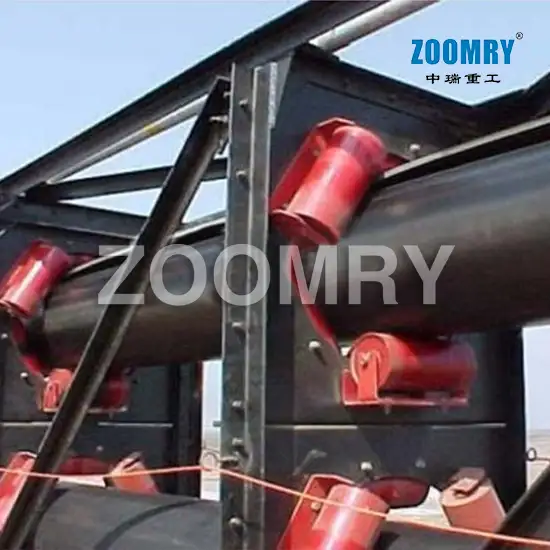
Enclosed tubular conveyor — dust-free transport with inclines up to 30° and tight 3D curves.
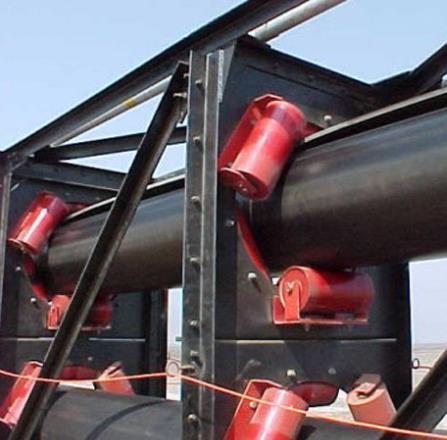
Steel cord and fabric carcass options — forms sealed tube through hexagonal idler groups.
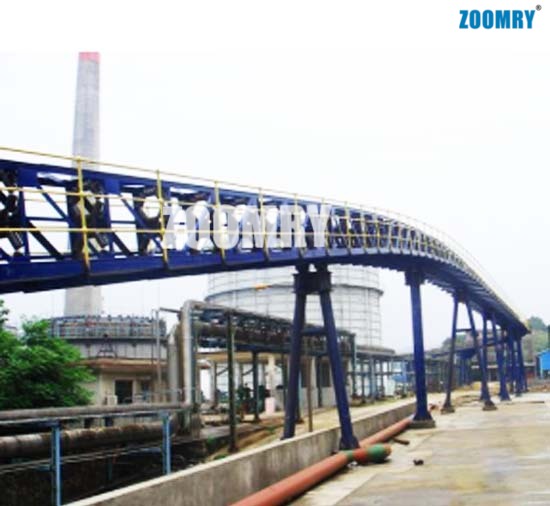
Alternative pipe conveyor design — same enclosed benefits with different structural approach.
Industry Solutions
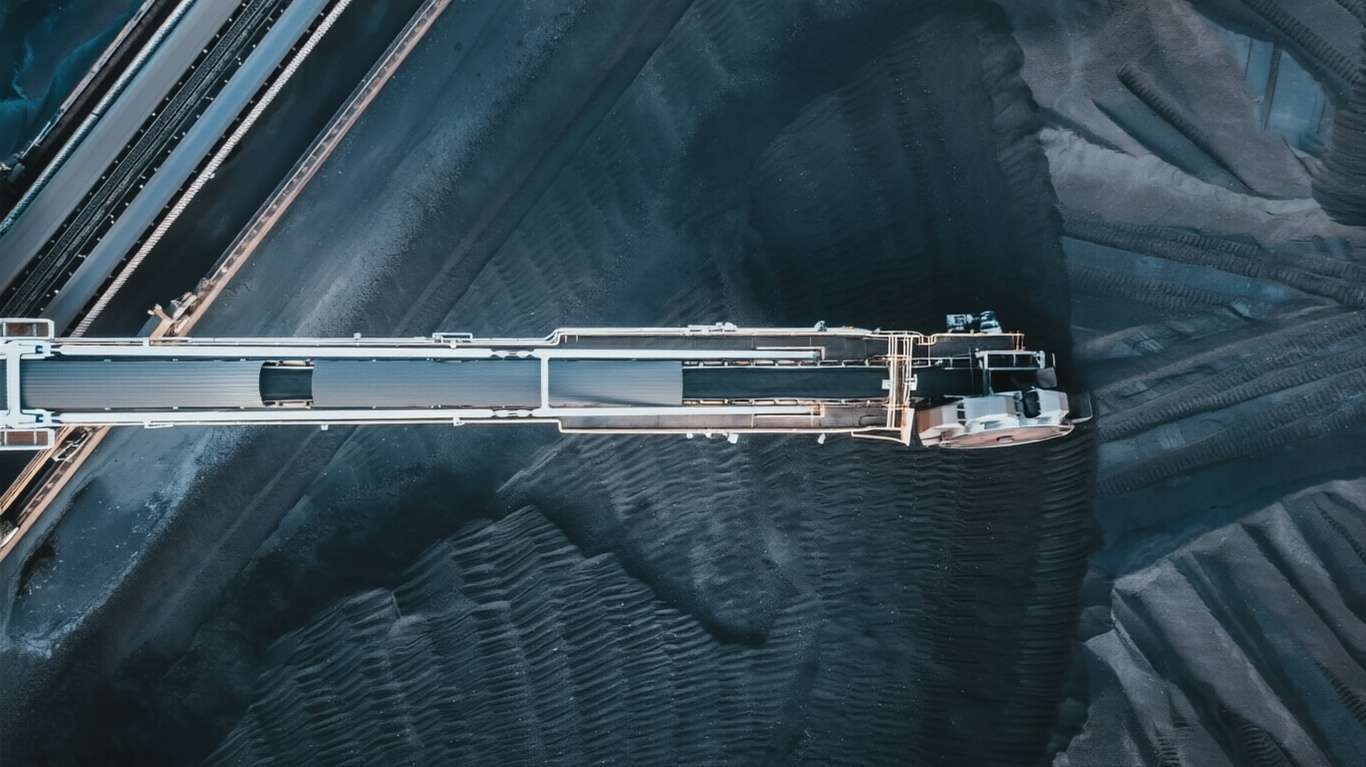
Enclosed pipe conveyors for dust-free coal transport — NFPA 850 and ATEX compliant.

Pipe conveyors for combustible biomass — enclosed design prevents dust explosion risks.
Need a Pipe Conveyor System for Your Project?
Contact ZOOMRY for pipe conveyor design, belt selection, and system engineering tailored to your terrain and material requirements.
Contact Us →