 ZOOMRY

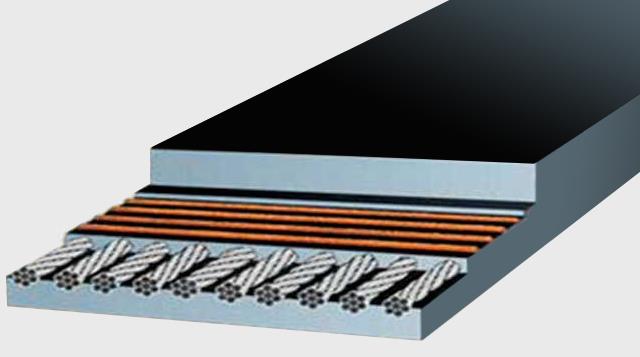
Quick answer: A Conveyor Belt manufacturer for bulk handling is evaluated on five things that a catalogue cannot show: whether the certification scope covers your material and market (ISO 15236 for steel cord, ISO 14890 for fabric, MA/KA for mining, ATEX for combustible dust), whether the factory tests cord adhesion and cover abrasion or only measures dimensions, whether the product range actually covers both steel cord and fabric (many suppliers do one, not both), whether the reference projects match your tonnage and material, and whether the quoted lead time reflects a production slot or a sales estimate. ZOOMRY covers ST630–ST4000 steel cord and EP/NN fabric belts with ISO 15236 and ISO 14890 scope, tested in-house for adhesion, abrasion, and splice strength.
Why “Conveyor Belt Manufacturer” Searches Need a Different Page Than “Belt Selection” Searches
Someone searching “steel cord conveyor belt selection” is deciding which belt to specify. Someone searching “conveyor belt manufacturer” has decided to buy and is now shortlisting suppliers. Those are different questions. The selection article answers “ST2000 or ST2500”; the supplier evaluation answers “which factory can actually deliver an ST2500 belt that passes splice testing and arrives before the conveyor is commissioned”.
The five checks below are the same sequence ZOOMRY engineers use when a mining or EPC buyer asks for a pre-order supplier review. They are not a quality claim — they are the questions to ask any manufacturer before placing the order.
Check 1 — Certification Scope: Does the Certificate Cover Your Material and Market?
A manufacturer can hold ISO 9001 and still not be certified for the belt standard that applies to your project. The belt standards are product-specific: ISO 15236 for steel cord belts, ISO 14890 for fabric belts, ISO 340 for flame resistance. A supplier that lists “ISO certified” without naming the product standard has a quality system, not a verified belt specification.
| Standard | Scope | When it matters |
|---|---|---|
| ISO 15236 | Steel cord conveyor belts | Any steel cord belt for mining, port, or high-tension duty |
| ISO 14890 | Fabric (EP/NN) conveyor belts | Fabric belts for aggregate, cement, and general bulk handling |
| ISO 340 | Flame resistance | Underground coal, biomass, combustible dust environments |
| MA / KA | China mining safety | Coal mines and metal/non-metal mines in the Chinese market |
| ATEX | Explosive atmosphere equipment | Enclosed conveying of combustible dust in EU-scope projects |
What to verify: ask for the certificate number and the product standard it covers, not just the issuer. A certificate that names ISO 15236 and lists the ST grades covered is verifiable. “ISO certified” without a product standard is not.
Check 2 — Testing Capability: What the Factory Measures Before the Belt Ships
The two tests that determine belt life are cord adhesion (for steel cord) and cover abrasion (for both steel cord and fabric). A factory that measures only dimensions and visually inspects the cover has not tested the belt’s two failure modes. Cord adhesion determines whether the belt delaminates under load; cover abrasion determines how long the belt lasts in an abrasive duty.
ZOOMRY’s belt testing covers cord pull-out adhesion, cover tensile strength, cover abrasion loss, and splice strength. The test data travels with the shipment, and a third-party inspection can be arranged for projects that require it. The relevant question for a buyer is not whether the factory has a lab — it is whether the lab tests the specific belt being shipped, not a sample from a different production run.
What to verify: ask which tests are performed on the actual shipment, and whether the test report is issued per batch or per order. A batch-level report is the minimum for a mining main line; an order-level report is adequate for a low-tonnage plant conveyor.
Check 3 — Product Range: Does the Manufacturer Cover Steel Cord and Fabric, or Only One?
Many conveyor belt manufacturers specialize in one carcass type. A fabric belt factory may not have steel cord production capability; a steel cord factory may not stock the EP/NN range. For a project that needs both — a mining conveyor with steel cord main lines and fabric belts on the auxiliary conveyors — a single-source supplier reduces the coordination burden and the risk of mismatched belt specifications at transfer points.
ZOOMRY’s range covers both: steel cord belts ST630–ST4000 and fabric belts EP80–EP450 with cover grades from abrasion-resistant to heat-resistant and flame-retardant. The same quality system and test protocol applies across both, which matters when the project has a mixed belt schedule.
What to verify: ask for the actual production range, not the catalogue range. A supplier that lists “steel cord and fabric” but outsources one of them is a trader for that product, not a manufacturer. Confirm which belt types are produced in-house and which are sourced.
Check 4 — Reference Projects: Do the References Match Your Tonnage and Material?
“Used in mining” is not a reference. A belt manufacturer that has supplied fabric belts to a 500 t/h aggregate plant has not demonstrated capability for a 3,000 t/h steel cord main line carrying abrasive iron ore. The reference check is whether the manufacturer can name a project with a comparable belt type, tonnage, material, and operating duration.
ZOOMRY’s belt references include the 3,300 m Chengde iron ore conveyor (ST3150 steel cord, 2,000 t/h, 99.3% equipment availability since commissioning) and the 36-conveyor Luanping iron mine system (600–3,200 t/h, belt widths up to 2,200 mm). Those are steel cord main-line references at mining tonnage, not fabric-belt references from a different duty class.
What to verify: ask for the project name, belt type, ST or EP grade, belt width, tonnage, material, and approximate operating hours. A reference that stops at “cement plant, 2021” with no belt specification or tonnage is not a reference for a mining main line.
Check 5 — Lead Time and Production Slot: Is the Quoted Date Real?
Belt lead time is driven by the production schedule, not by the sales conversation. A manufacturer with a full order book may quote 8 weeks and deliver in 14; a manufacturer with open capacity may quote 4 weeks and deliver in 4. The question to ask is not “what is your lead time” but “what production slot is available for this belt specification, and what is the deposit date that holds it”.
For a project with a fixed commissioning date, the belt is on the critical path — a late belt stops the conveyor from running regardless of how well the structure and equipment were delivered. The deposit date that reserves the production slot is the only lead-time commitment that has commercial weight.
What to verify: ask for the production slot date and the deposit terms that hold it. A lead time quoted without a slot is a forecast, not a commitment.
Supplier Evaluation Checklist
| Check | What a trader provides | What a verified manufacturer provides |
|---|---|---|
| Certification | “ISO certified” | ISO 15236 / ISO 14890 scope, certificate number, ST/EP grades covered |
| Testing | Dimensional inspection | Cord adhesion, cover abrasion, splice strength, batch-level report |
| Product range | Catalogue lists both carcass types | Both steel cord and fabric produced in-house, confirmed by factory audit |
| References | “Used in mining” | Named project, belt type, ST/EP grade, tonnage, operating hours |
| Lead time | Quoted weeks | Production slot date plus deposit terms that hold it |
Frequently Asked Questions
What should I check before choosing a conveyor belt manufacturer?
Five things: the certification scope (ISO 15236 for steel cord, ISO 14890 for fabric), the testing capability (cord adhesion and cover abrasion, not just dimensions), the actual production range (steel cord and fabric in-house, or only one), reference projects at comparable tonnage and material, and the production slot date that holds the quoted lead time.
What is the difference between a conveyor belt manufacturer and a conveyor belt supplier?
A manufacturer produces the belt in its own factory and can be audited on production capability, testing, and quality control. A supplier may be a trader that sources from one or more factories, which adds a layer between the buyer and the production process. For a mining main line or a project with a fixed commissioning date, the manufacturer relationship is usually the safer choice because the production slot and test reports are direct.
Which certification matters most for a steel cord conveyor belt?
ISO 15236 is the product standard for steel cord conveyor belts. For mining projects in China, MA or KA certification applies. For underground coal or combustible dust environments, ISO 340 flame resistance and ATEX (for EU-scope projects) are relevant. A manufacturer should be able to state which standard applies to the specific belt, not just “ISO certified”.
How long does it take to manufacture a steel cord conveyor belt?
Lead time depends on the belt specification, the production schedule, and the order size. The reliable commitment is the production slot date plus the deposit terms that hold it, not a quoted lead time in weeks. For a project with a fixed commissioning date, the production slot should be confirmed before the conveyor structure is finalized.
Can one manufacturer supply both steel cord and fabric conveyor belts?
Some can, many cannot. Steel cord and fabric belts use different carcass production lines and different testing protocols. A manufacturer that produces both in-house is a single-source option for projects with mixed belt schedules. A manufacturer that lists both but outsources one is a trader for that product type, not a manufacturer.
Related Products
ST630–ST4000, ISO 15236 scope, abrasion to heat-resistant covers
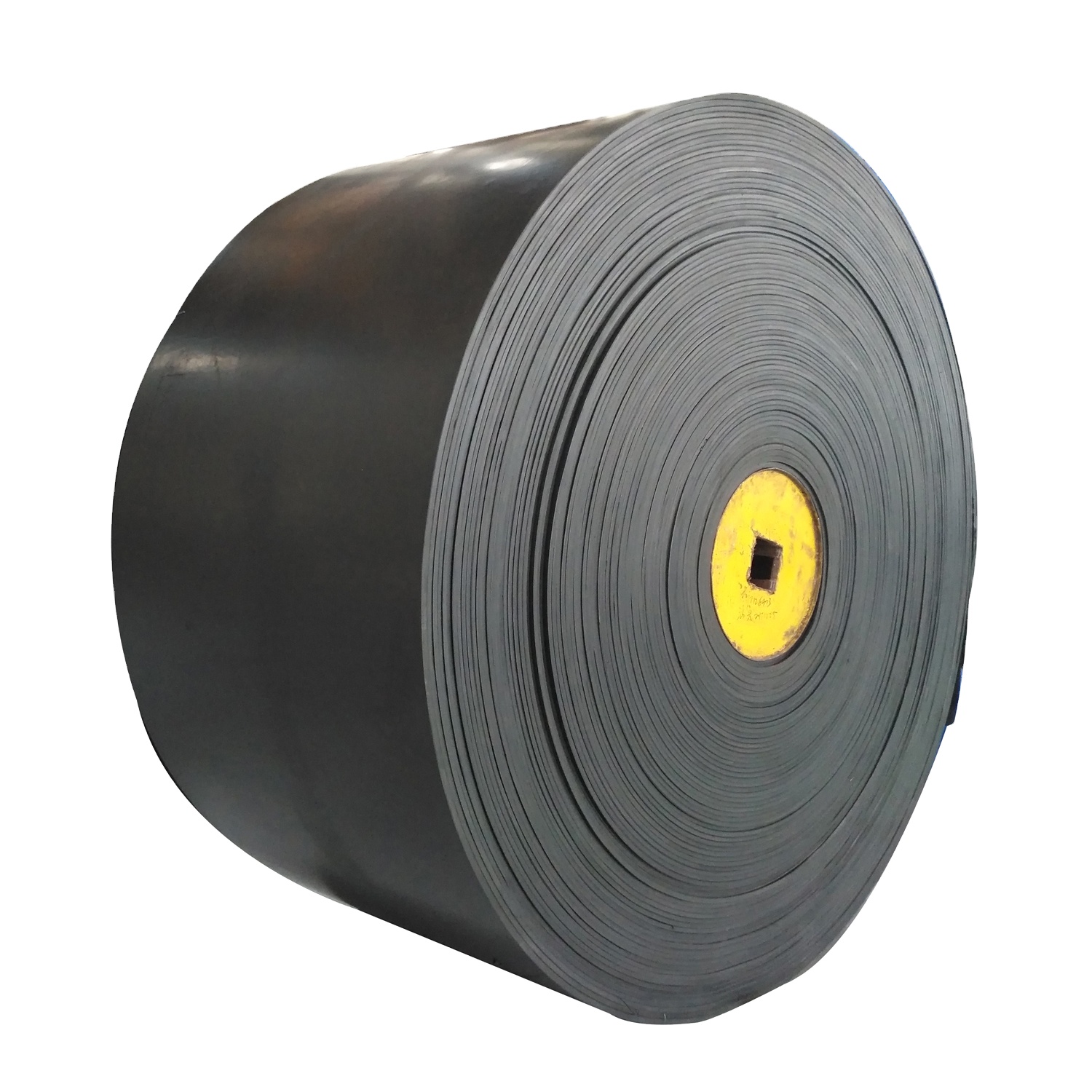
EP80–EP450, multi-ply construction, ISO 14890 scope
Related Reading
Safety factor by duty, splice efficiency, cover grade matching, rip protection
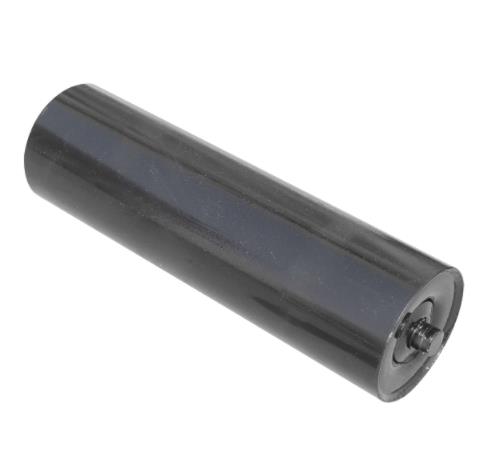
CEMA rating, bearing-seal system, runout, and documented project life
Evaluating a Conveyor Belt Manufacturer for a Bulk Handling Project?
Send us the belt type, ST or EP grade, belt width, tonnage, material, and project schedule. ZOOMRY engineers will confirm the certification scope, test protocol, and production slot before you place the order.
Contact Our Engineers →