 ZOOMRY

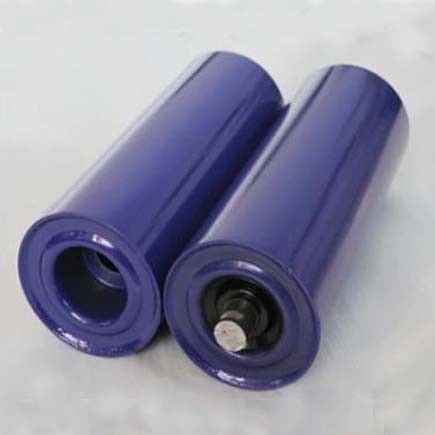
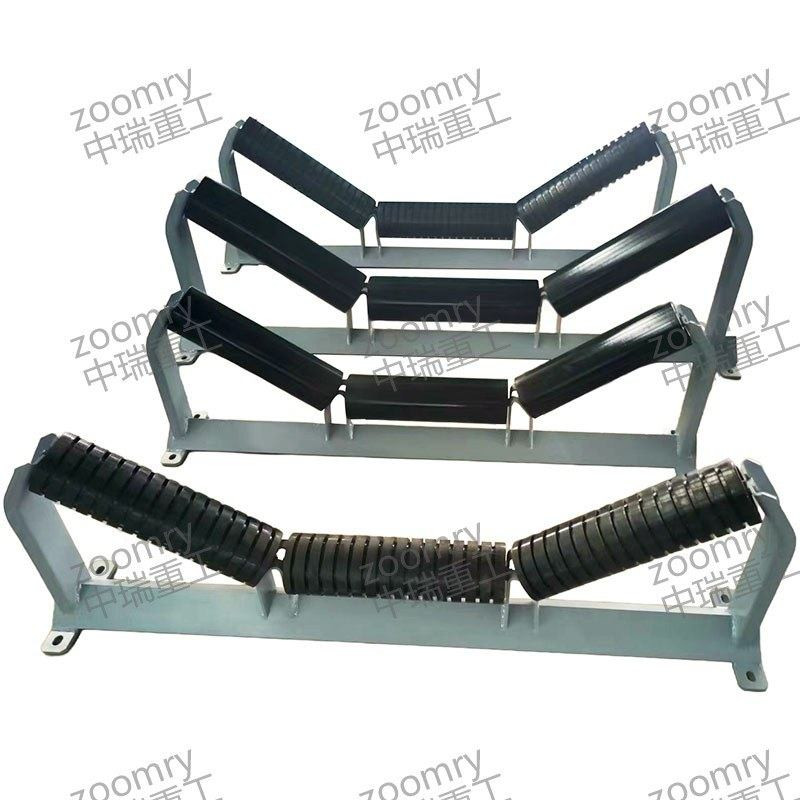
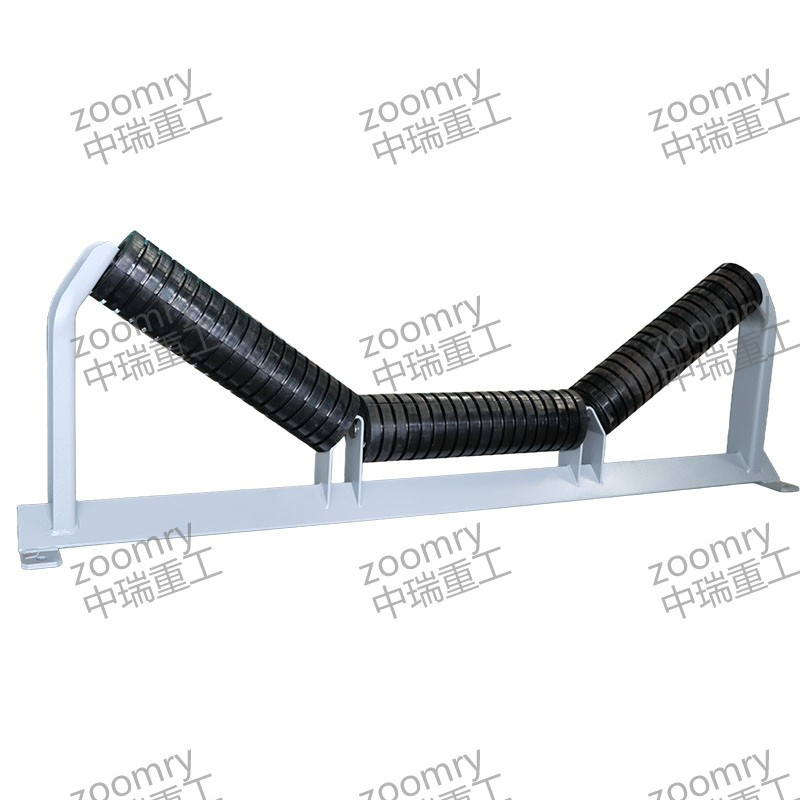
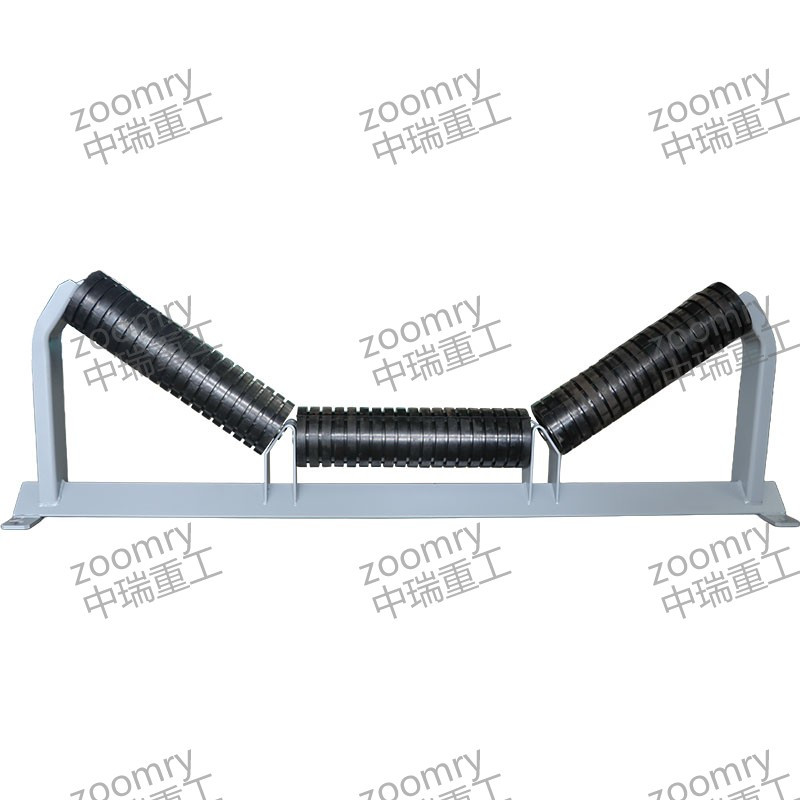
belt conveyor Roller Overview
In a belt conveyor system, rollers support the belt and conveyed load along the carrying run, and support the empty belt along the return run where required by the conveyor arrangement. Their shell, shaft, bearing, and sealing configuration affect rolling resistance, operating reliability, and maintenance demand in continuous bulk-material handling applications.
ZOOMRY conveyor rollers are specified according to belt width, roller spacing, material load, belt speed, environmental exposure, and roller position. Steel rollers are commonly selected for general heavy-duty conveying, HDPE rollers can be considered where corrosion resistance or lower rotating mass is required, and impact rollers are used around loading and transfer zones to help absorb local belt impact.
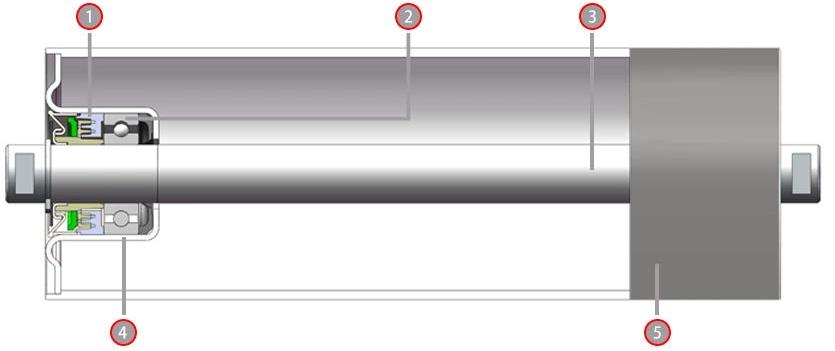
Belt Conveyor Roller Structure — 1. Seal Assembly 2. Bearing 3. Shaft 4. Bearing Housing 5. Shell
Working Principle
Belt conveyor rollers function as rotating support elements that convert sliding friction into rolling friction as the Conveyor Belt passes over them. Each roller consists of a cylindrical shell mounted on a shaft through deep-groove ball bearings, with the bearing assembly protected by a multi-stage sealing arrangement. This design distributes material load across the belt width while supporting stable belt travel and helping limit rolling resistance when the roller is correctly selected, installed, and maintained.
The multi-stage labyrinth seal forms a sealing path that helps restrict dust and moisture ingress before contaminants can reach the bearing chamber. Grease selection can be specified according to operating conditions. This sealing approach differs from open-bearing designs, which are more susceptible to contamination in dusty conveyor environments.
Key Features
- Deep-Groove Ball Bearings: Paired with double sealing for stable rotation and reduced contamination risk in dusty environments.
- Multi-Stage Labyrinth Seals: Form a multi-stage sealing path that helps restrict dust and moisture ingress under normal operating conditions.
- Grease Selection by Application: Grease type is specified according to operating temperature, humidity, and contamination exposure.
- Custom Surface Coating: Roller shells can be painted in customer-specified colors, with powder coating available upon request.
- Quality Inspection: Dimensional, rotation resistance, and sealing tests are available upon request; specific test documentation depends on order scope.
Applications and Roller Selection
Roller material and configuration are selected according to duty conditions. The table below summarizes typical selection logic for different operating environments.
| Roller Type | Shell Material | Selection Considerations | Typical Applications |
|---|---|---|---|
| Steel Roller | Q235 carbon steel | General heavy-duty conveying; wear-resistant shell | Mining, coal, cement, port conveyors |
| HDPE Roller | High-density polyethylene | Where corrosion resistance and low roller mass are priorities, subject to duty conditions | Fertilizer, salt, chemical, coastal port |
| Impact Roller | Steel core + rubber rings | Loading zones where local belt impact needs to be absorbed | Crusher discharge, transfer points |
Roller selection depends on belt width, roller spacing, material load, belt speed, environmental exposure, and roller position. Compatibility with existing frames and mounting dimensions should be confirmed before replacement.
Technical Specifications
| Parameter | Specification |
|---|---|
| Product Name | Belt Conveyor Roller |
| Roller Diameter | 89–159 mm |
| Roller Length | 190–1,500 mm |
| Shell Material | Carbon steel |
| Bearing Type | Deep-groove ball bearing |
| Seal Type | Multiple labyrinth seal |
| Surface Coating | Customized color; powder coating available upon request |
| Warranty | Subject to order scope and application conditions |
| Compliance Documents | Available upon request; subject to model, destination market, and project requirements |
What Information Do We Need for Belt Conveyor Roller Selection?
To provide an accurate belt conveyor roller specification, please share the following project parameters:
- Conveyor belt width and roller position: Belt width in mm, and whether rollers are for carrying side, return side, or impact zone.
- Material characteristics: Bulk density (t/m³), lump size, moisture content, and whether material is abrasive or corrosive.
- Operating environment: Dust level, humidity, temperature range, and exposure to water or chemicals.
- Existing roller specifications: Current roller diameter, length, shaft diameter, bearing type, and mounting dimensions.
- Existing equipment and installation context: Current roller type, frame dimensions, bearing standard, and whether this is a retrofit or new installation.
Video
Related Roller Types
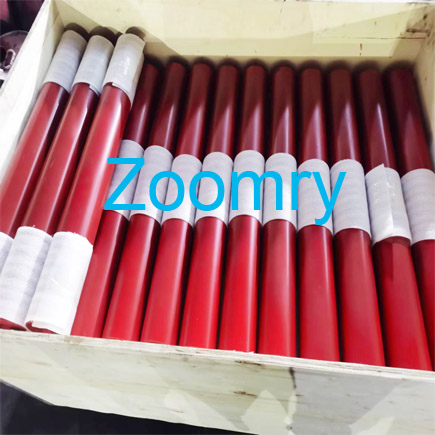
Carbon-steel rollers for abrasive mining, coal, and cement conveying.
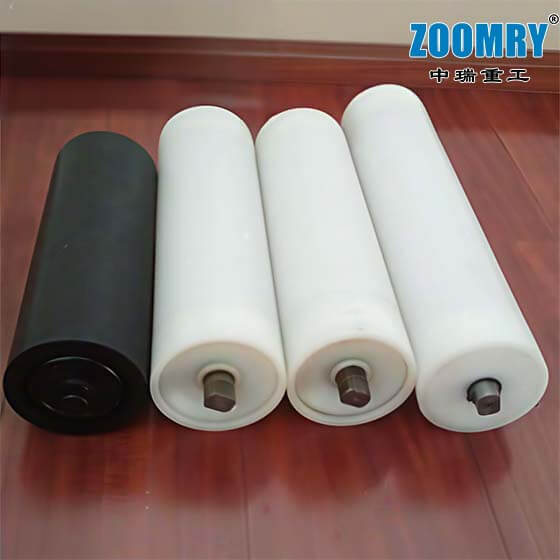
Corrosion-resistant rollers for fertilizer, salt, and chemical applications.
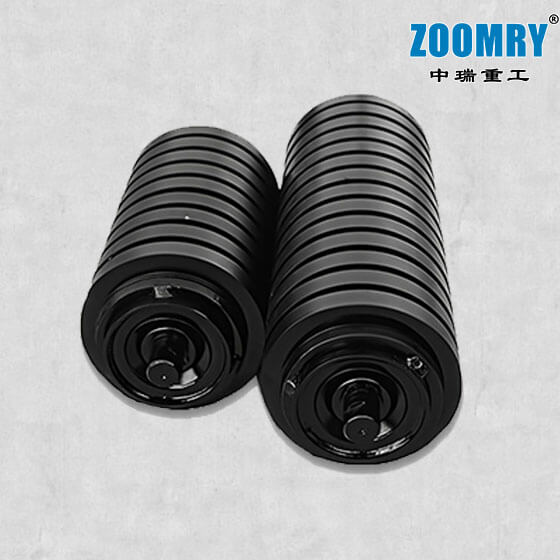
Rubber cushion rings for loading zone impact protection.
Industry Solutions
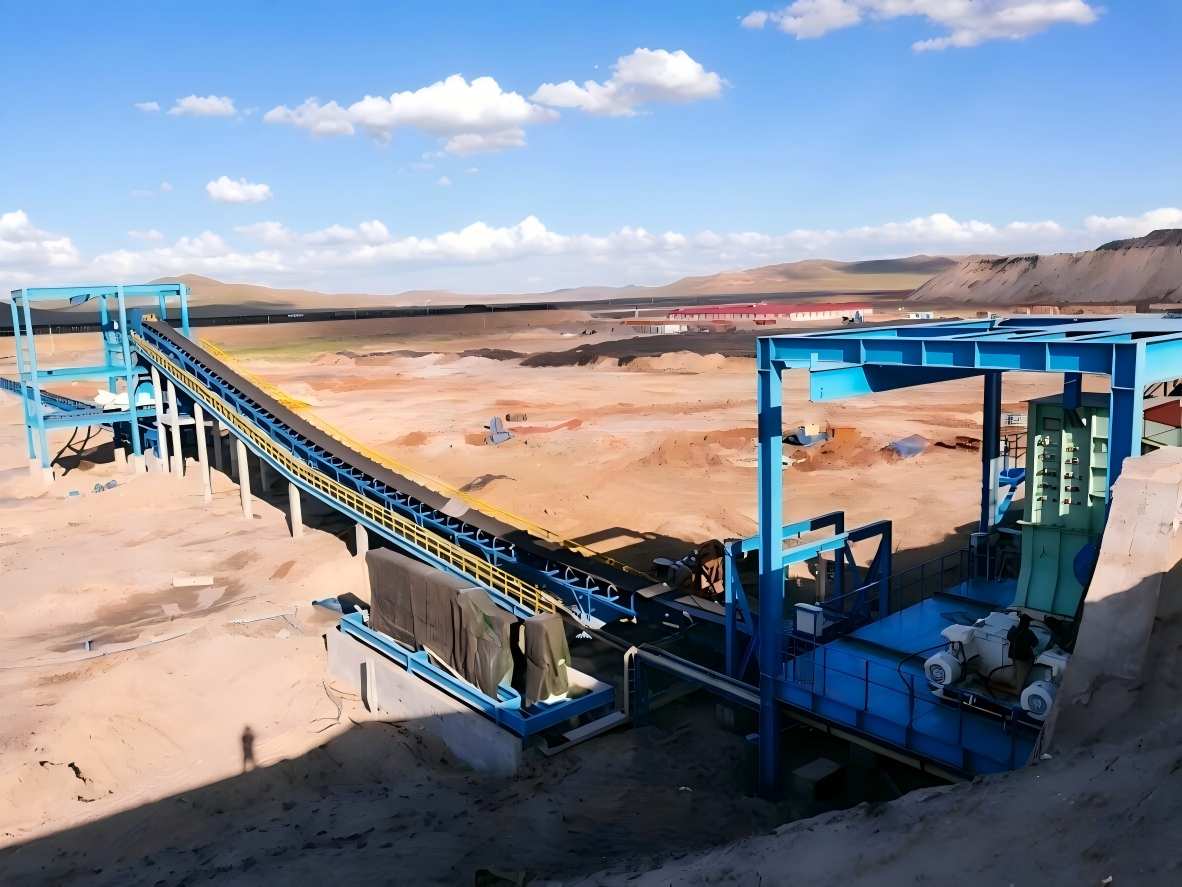
Heavy-duty belt conveyor rollers for abrasive ore and overburden conveying.
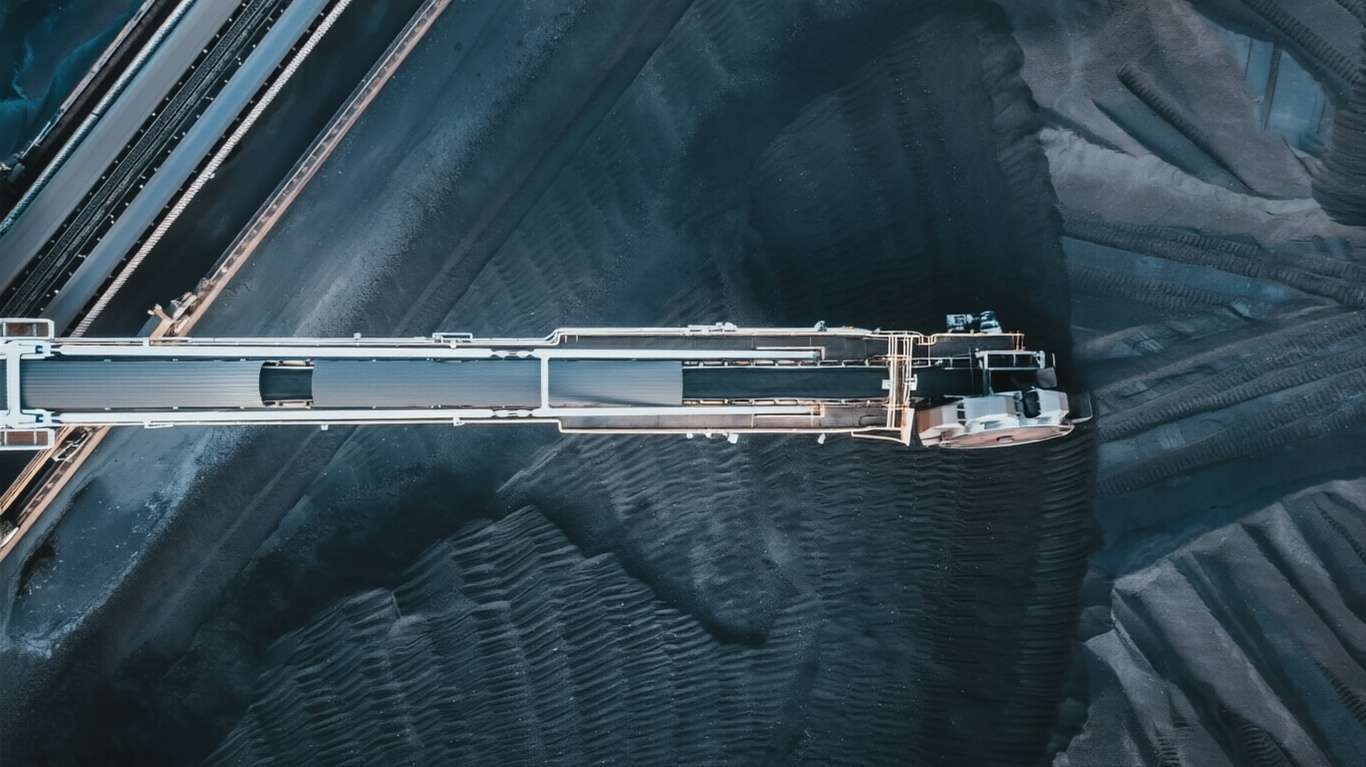
High-sealing rollers for continuous coal conveying in mines and power plants.
Need Help Selecting the Right Conveyor Roller?
Tell us your belt width, material type, and operating environment — our engineers will recommend the right roller material, diameter, bearing, and sealing arrangement.
Request Conveyor Roller Recommendation →