 ZOOMRY

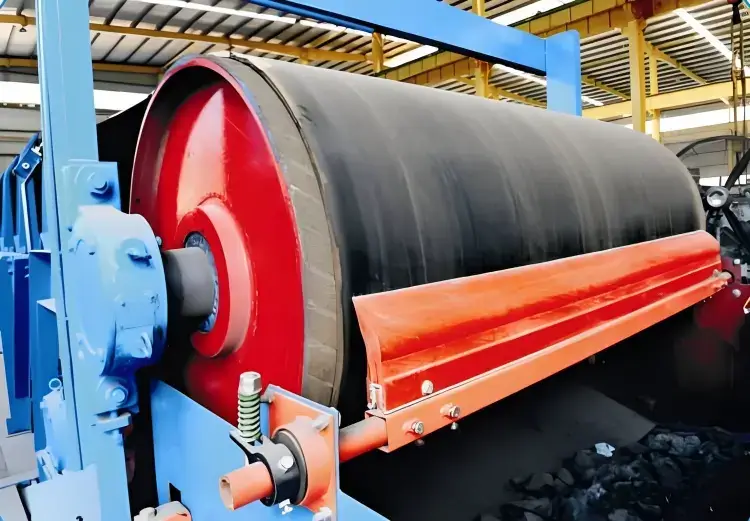
The difference between a Belt Cleaner and a belt scraper is primarily one of scope and terminology. A belt cleaner is the complete system that removes carryback from the Conveyor Belt — it includes the blade, the mounting frame, the tensioning mechanism, and any spray bars or support structure. A belt scraper is the blade component itself, the part that makes direct contact with the belt surface and scrapes material off. In practice, the two terms are often used interchangeably, but technically the scraper is one part of the cleaner system.
Core Functional Difference
A belt cleaner is the complete assembly installed on a conveyor to remove material that sticks to the belt after discharge. It includes:
- Scraper blade: The contact element that removes carryback from the belt surface.
- Mounting frame: The structure that holds the blade in position relative to the belt.
- Tensioning mechanism: Springs, air cylinders, or hydraulic systems that maintain blade contact pressure.
- Support structure: Brackets, cross beams, and mounting hardware that attach the cleaner to the conveyor frame.
- Optional spray bars: Water spray systems for wet or sticky materials that require additional cleaning.
A belt scraper is the blade element within the cleaner system. It is the part that performs the actual scraping action — polyurethane, tungsten carbide, or alloy steel is shaped into a blade profile that contacts the belt surface at a specific angle and pressure.
Key Differences at a Glance
| Comparison Factor | Belt Cleaner | Belt Scraper |
|---|---|---|
| Scope | Complete cleaning system | Blade component only |
| Includes | Blade, frame, tensioner, support structure | Blade only |
| Function | Removes carryback as a complete system | Contacts the belt and scrapes material off |
| Replacement | Replaced as a unit when worn out | Replaced as a wear part, more frequently |
| Cost | Higher — complete assembly | Lower — individual blade |
| Blade material | Varies — depends on system design | Polyurethane, tungsten carbide, or alloy steel |
Belt Cleaner System Components
A complete belt cleaning system typically includes multiple cleaning stages, each with its own scraper blade and mounting arrangement.
Primary Cleaner
A primary belt cleaner is mounted at the head pulley, where the belt leaves the pulley and material has just been discharged. It removes the bulk of the carryback — typically 70-80% of the material that sticks to the belt. Primary cleaners use polyurethane blades that are gentle on the belt splice while removing large particles.
Secondary Cleaner
A secondary belt cleaner is positioned after the primary cleaner, further along the return path. It removes fine carryback that escapes the primary stage. Secondary cleaners typically use tungsten carbide blades that maintain a sharp edge and capture particles down to 0.1 mm.
V-Return Cleaner
A V-return belt cleaner is mounted on the non-working surface of the return belt, protecting the return rollers from material buildup and preventing belt mistracking. It is often the third stage in a complete cleaning system.
Integrated Cleaning System with Spray Bars
For wet or sticky materials, an integrated belt cleaning system combines urethane scrapers, water spray bars, and a sealed housing with a built-in hopper. This configuration removes wet, sticky carryback with high cleaning efficiency and contains the removed material in a controlled discharge point.
Belt Scraper Blade Types
Scraper blades are classified by material and application.
Polyurethane Blades
Polyurethane is the standard material for primary cleaners. It is flexible, resistant to abrasion, and gentle on belt splices. Polyurethane blades work well for general bulk materials and are typically the first stage of cleaning.
Tungsten Carbide Blades
Tungsten carbide is used for secondary cleaners where fine carryback must be removed. It maintains a sharp edge longer than polyurethane and captures particles that escape primary cleaning. Tungsten carbide blades are more aggressive on the belt but provide higher cleaning efficiency.
Alloy Steel Blades
Alloy steel blades are used in heavy-duty applications where high abrasion resistance is required. They are typically found in mining conveyors handling ore and other abrasive materials.
When Each Term Is Used
The choice between "belt cleaner" and "belt scraper" often reflects industry convention rather than technical distinction.
- "Belt cleaner" is common in: System-level discussions, procurement specifications, and maintenance planning where the complete assembly is being selected.
- "Belt scraper" is common in: Component-level discussions, spare parts ordering, and applications where the blade is being replaced or upgraded.
In many project specifications, the two terms are used interchangeably. For procurement clarity, it is useful to specify whether the requirement is for a complete cleaning system or for replacement blades.
Selection Factors
- Material characteristics: Dry, wet, sticky, or abrasive materials affect blade material selection and the number of cleaning stages required.
- Belt speed: Higher belt speeds require more frequent blade inspection and may need different blade materials.
- Belt width: Determines the scraper blade length and mounting frame size.
- Belt splice type: Mechanical splices require more flexible blade materials. Vulcanized splices allow more aggressive blade profiles.
- Cleaning efficiency target: The required percentage of carryback removal determines how many cleaning stages are needed.
Frequently Asked Questions
Is a belt cleaner the same as a belt scraper?
In common usage, the terms are often used interchangeably. Technically, a belt cleaner is the complete cleaning system including blade, frame, tensioner, and support structure. A belt scraper is the blade component that contacts the belt. For procurement, clarifying the scope prevents confusion between a complete system and a replacement part.
How often do belt scraper blades need to be replaced?
Blade replacement intervals depend on belt speed, material abrasiveness, and cleaning system design. Polyurethane blades typically last longer than tungsten carbide in general applications. Regular inspection is recommended to identify wear before cleaning efficiency drops.
Can a belt cleaner work without a scraper?
No. The scraper blade is the contact element that performs the cleaning action. Without a blade, the cleaner frame, tensioner, and support structure have nothing to hold against the belt. Every belt cleaner includes at least one scraper blade.
What is the difference between primary and secondary belt cleaners?
Primary cleaners are mounted at the head pulley and remove the bulk of carryback. Secondary cleaners are positioned after the primary stage and remove fine particles that escape the first stage. Together, they can remove up to 95% or more of carryback when properly configured.
Related Products

Complete cleaning systems for conveyor belts
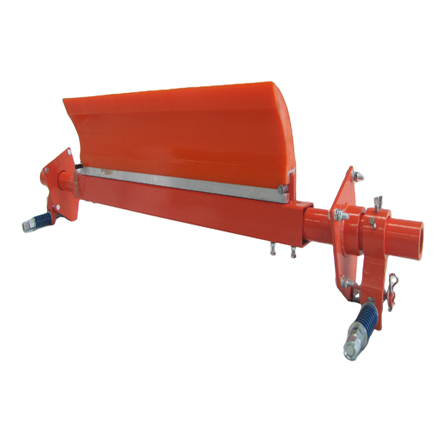
Head pulley mounted cleaner for bulk carryback removal
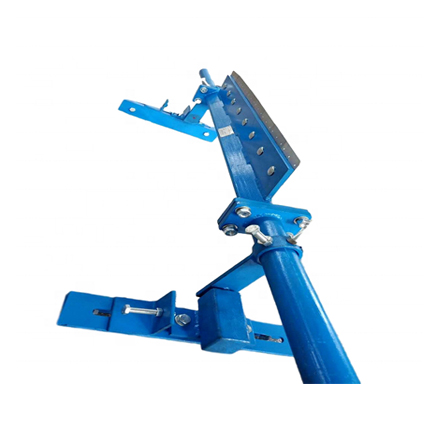
Tungsten carbide blade for fine carryback removal
Industry Applications
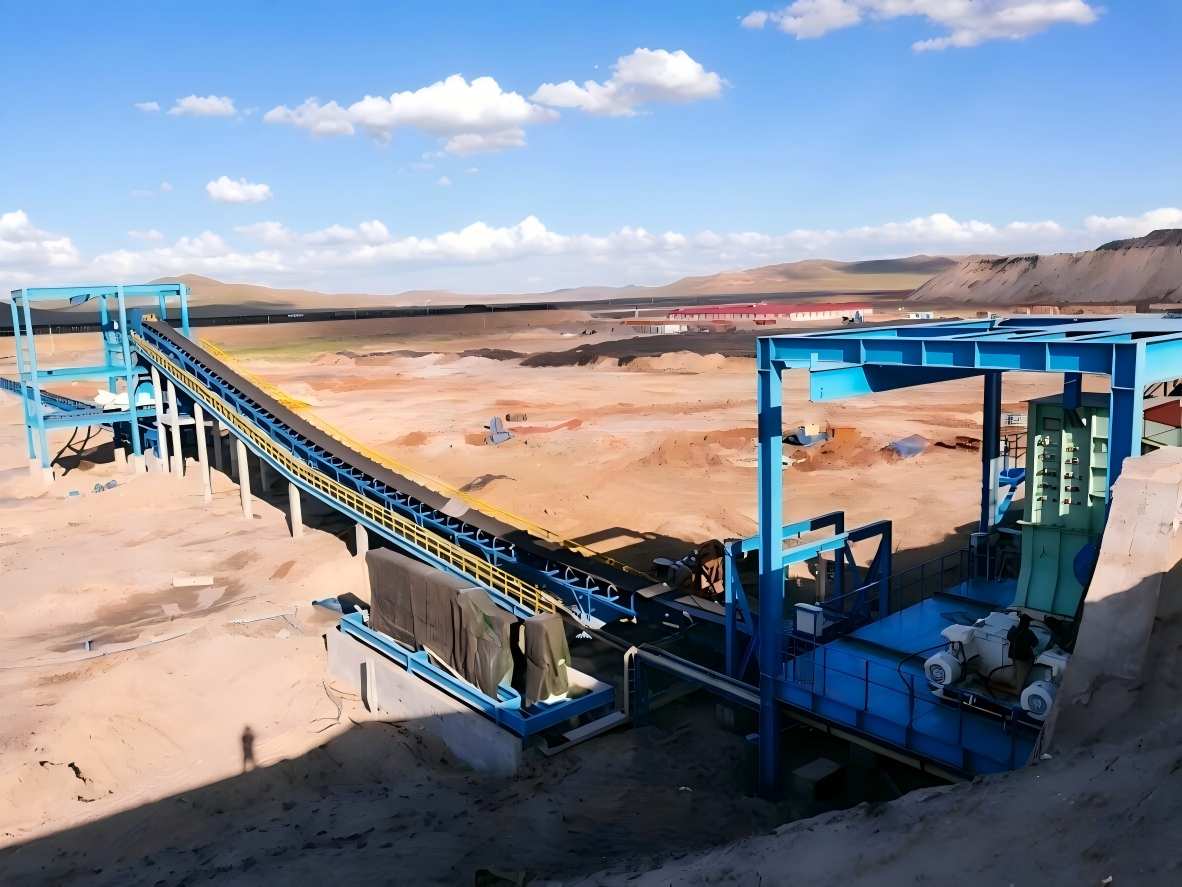
Belt cleaning systems for high-abrasion mine conveyors

Carryback control for coal handling conveyors
Selecting a Belt Cleaning System for Your Conveyor?
Share your material characteristics, belt speed, and cleaning efficiency requirements. ZOOMRY can help configure a belt cleaner system matched to your conveyor.
Contact Us →