 ZOOMRY

How enclosed Pipe conveyors solve dust, spillage, and terrain challenges in two of the world's most demanding bulk material industries.
Bulk material handling in the coal and cement industries faces a common dilemma: how to transport massive volumes of material over long distances without polluting the environment, losing product, or being constrained by difficult terrain. Traditional open belt conveyors struggle with dust emissions, material spillage, and limited curve negotiation — problems that pipe conveyor systems were specifically engineered to solve.
ZOOMRY, with over 20 years of engineering expertise and a portfolio of 500+ successful projects worldwide, has been at the forefront of enclosed conveying technology. Our pipe conveyors — also known as tubular conveyors — form the transported material into a sealed circular cross-section, completely enclosing it during transit. The result? Zero spillage, minimal dust, steep incline capability, and the ability to navigate tight horizontal and vertical curves without transfer stations.
In this guide, we explore how pipe conveyor systems address the unique challenges of coal handling and cement production, backed by real-world project cases and practical selection advice.
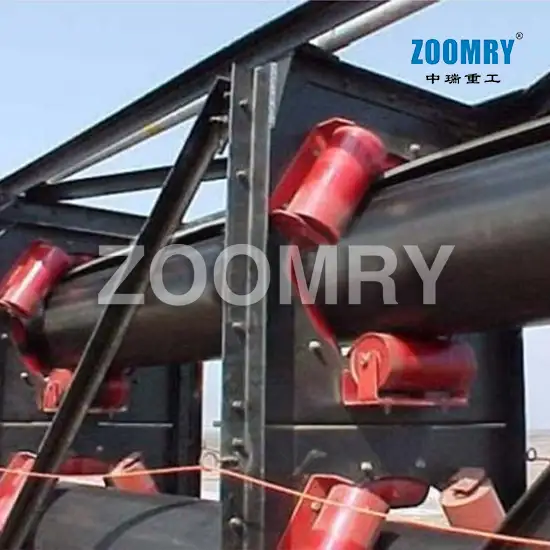
ZOOMRY Pipe Conveyor System — Enclosed Tubular Design for Dust-Free, Spillage-Free Bulk Material Conveying
How Does a Pipe Conveyor Control Coal Dust and Spillage?
Coal handling presents a set of notoriously difficult problems. From mine to processing plant, and from washery to power station, coal generates combustible dust that threatens worker safety and environmental compliance. Open conveyors allow wind to carry fine particles into the surrounding area, while rain can turn coal stockpiles into a handling nightmare. In underground mines, fire-resistant belts are mandatory, and any spillage along the conveyor route creates dangerous cleanup conditions.
A pipe belt conveyor eliminates these problems through its fundamentally enclosed design. The belt is folded into a tubular shape by a series of hexagonal idler panels, completely sealing the coal inside. Dust cannot escape, rainwater cannot enter, and the material is protected from wind, contamination, and theft throughout the entire conveying route — which can span up to 15 kilometers in a single flight.
How Is Pipe Conveyor Used Safely in Underground Coal Mines?
Underground coal mines demand the highest safety standards. Methane gas and coal dust create an explosive atmosphere where even a small spark can be catastrophic. Pipe conveyors equipped with solid woven PVC/PVG belts meeting ISO 340 flame-retardant standards are the ideal solution. The enclosed structure contains any belt-generated dust, and the compact cross-section requires smaller tunnel dimensions than equivalent-capacity open conveyors — reducing civil engineering costs in underground applications.
How Does Pipe Conveyor Handle Long-Distance Coal Transport?
For surface operations, pipe conveyors excel at connecting coal mines to distant processing plants or port loading terminals. The ability to handle steep inclines up to 30° and negotiate tight curves means the conveyor can follow natural terrain rather than require expensive earthworks, tunnels, or bridges. A single pipe conveyor can replace multiple transfer points — each transfer being a source of dust, noise, and maintenance — with one smooth, continuous, enclosed transport path. This is particularly valuable in the coal handling industry, where route distances often exceed several kilometers across varying topography.

ZOOMRY Pipe Belt Conveyor — 1,568m Coal Conveying Line in Shandong Province, 400 TPH, Dust Emission Controlled at 7.5mg/m³

Shandong Pipe Belt Conveyor for Coal Operation
ZOOMRY delivered a 1,568-meter pipe conveyor system with 350mm pipe diameter and 400 t/h capacity for a coal processing facility in Shandong. The enclosed tubular design reduced dust emissions from 35mg/m³ to 7.5mg/m³, cut coal loss from 6% to 0.8%, and eliminated the need for 2 transfer stations. Core components (HDPE idlers and 40Cr forged pulleys) have surpassed 35,000 hours of operation without major replacement.
View Full Case Study →Why Do Cement Plants Choose Pipe Conveyors Over Trucks?
Cement production involves some of the most abrasive and dusty materials in industry — limestone, clinker, raw meal, and fly ash. Traditional truck haulage from quarry to plant is not only expensive but generates significant dust pollution that increasingly conflicts with tightening environmental regulations. Once inside the plant, conveying systems must cope with high-temperature clinker, moisture-sensitive raw meal, and the need for precise material routing between multiple process stages.
The pipe conveyor's fully sealed transport path makes it the preferred choice for modern cement plants. Limestone can be transported from remote quarries across farmland or residential areas without dust complaints. Raw meal and cement powder remain protected from rain and humidity — a critical advantage in tropical regions like Southeast Asian cement operations where sudden downpours can ruin exposed materials.
How Do Pipe Conveyors Replace Truck Fleets for Quarry-to-Plant Transport?
A single long-distance curved belt conveyor in pipe configuration can replace dozens of diesel trucks, eliminating fuel costs, traffic congestion, and road dust. The conveyor operates 24/7 regardless of weather, maintains consistent throughput, and reduces the total cost per ton conveyed by over 40% compared to truck haulage. For cement plants producing upwards of 5,000 tons of clinker per day, this translates into millions of dollars in annual savings.
How Does Enclosed Conveying Protect Cement Raw Materials?
Within the plant, pipe conveyors connect raw material storage, raw mill, homogenization silos, preheater tower, kiln feed, and cement grinding. The sealed tubular belt protects hygroscopic materials from moisture absorption — a key cause of caking and flow problems — while preventing fine cement dust from escaping into the plant environment. Combined with conveyor Rain Covers for additional weather protection, the system ensures year-round reliability even in monsoon climates.
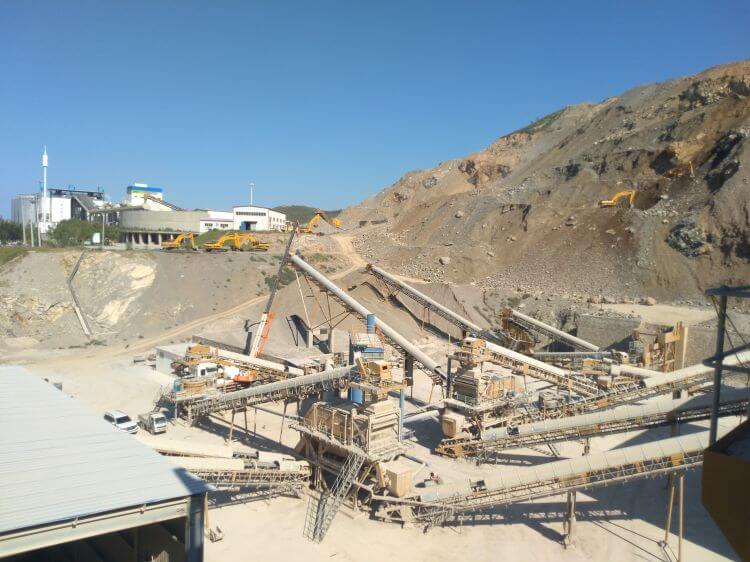
ZOOMRY Long-Distance Curved Belt Conveyor — 4.2km Cement Plant Limestone Transport in Vietnam, 1,500 TPH
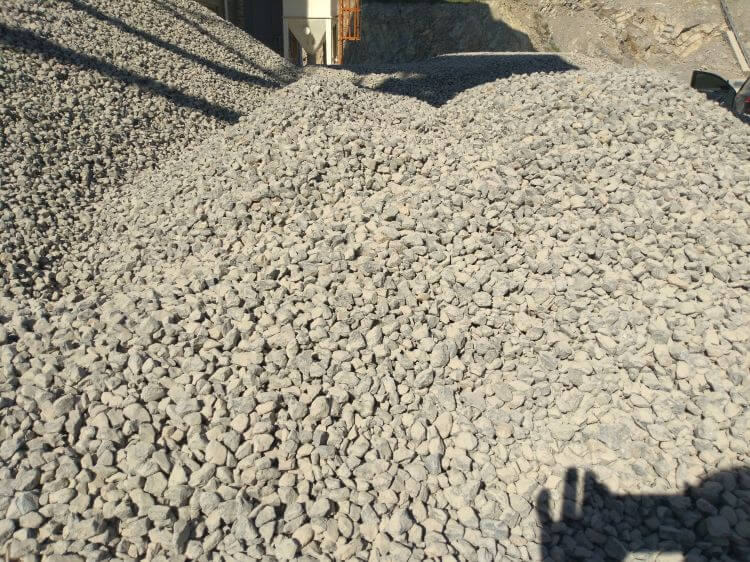
Vietnam Cement Conveying Solution — 4.2km Curved Belt Conveyor
ZOOMRY engineered a 4.2km curved belt conveyor system with 1,500 t/h capacity for a major cement producer in Vietnam. The system featured curved belt conveyor technology to navigate challenging terrain, ensuring reliable dust-controlled transport from quarry to storage. ISO 9001, ISO 14001, CE, and EAC certified, the project has operated reliably since commissioning with minimal maintenance requirements.
View Full Case Study →What to Consider When Selecting a Pipe Conveyor System?
Choosing the right pipe conveyor requires careful evaluation of your material characteristics, site conditions, and operational goals. Based on ZOOMRY's two decades of engineering experience, here are the key factors to consider:
What Material Properties Affect Pipe Conveyor Performance?
Coal and cement raw materials behave very differently inside a pipe conveyor. Coal's moisture content (typically 8-12%) affects its flowability and caking tendency, while limestone's abrasiveness demands higher belt wear resistance. ZOOMRY's engineering team analyzes your material samples to determine the optimal pipe Conveyor Belt specification, idler spacing, and belt speed — ensuring the system matches your specific material, not a generic assumption.
How Does Route Topography Impact Pipe Conveyor Design?
Pipe conveyors can handle curves that would be impossible for conventional troughed conveyors — horizontal curves as tight as 30-50m radius and vertical inclines up to 30°. This allows the conveyor route to follow natural contours, avoiding expensive tunnels, bridges, and land acquisition. ZOOMRY's 3D topographic survey team maps your entire route before design, identifying the optimal pipe diameter, drive station locations, and tensioning strategy for your specific site.
How to Match Pipe Conveyor Capacity to Production Needs?
From 400 t/h branch lines to 4,200 t/h main arteries, pipe conveyors scale across a wide capacity range. The pipe diameter — typically ranging from 150mm to 700mm — determines both the material cross-section and the belt width. Longer distances require more sophisticated multi-drive configurations and intermediate tensioning. ZOOMRY's tubular conveyor designs have been proven in single flights exceeding 8km, with multi-flight systems extending even further.
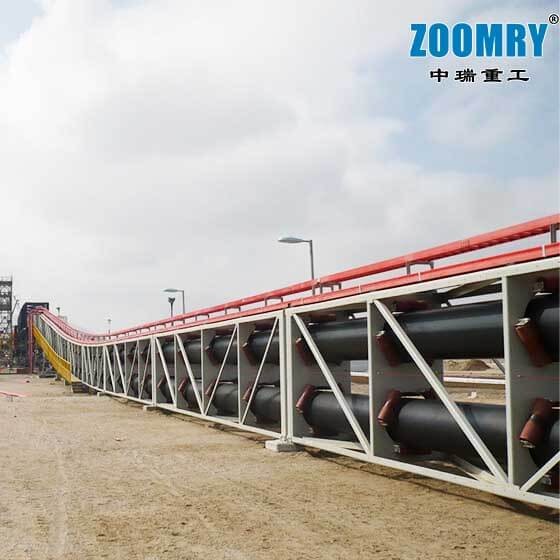
ZOOMRY Pipe Belt Conveyor — Customizable Pipe Diameters, Multi-Drive Configurations, and Weather-Resistant Design
Need a Custom Pipe Conveyor Solution?
Contact our engineering team today to discuss your coal or cement project requirements. Backed by 20+ years of experience and 500+ global projects.
Request a Quote Chat on WhatsApp