 ZOOMRY

A belt cleaning system is a set of mechanical scrapers — often combined with water spray bars — installed at the head pulley of a belt conveyor to remove carryback: the material that sticks to the belt surface after discharge. Without effective cleaning, carryback accumulates on return idlers, Conveyor Pulleys, and plant floors — causing belt mistracking, premature component wear, dust hazards, and hours of manual cleanup. This guide explains the different types of belt cleaning systems, how water-enhanced multi-scraper designs work, and how to choose the right configuration for your material and operating conditions.
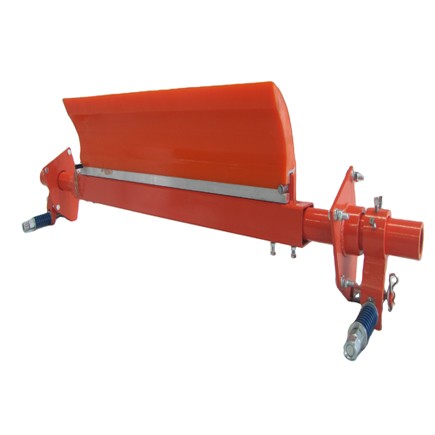
Belt cleaning system — primary polyurethane scraper at the head pulley for carryback removal
Why Carryback is a Problem
When bulk material is discharged at the head pulley, a thin layer — typically 0.1 to 3 mm thick — remains adhered to the belt surface. For a 1,200 mm wide belt running at 3 m/s, this seemingly minor residue can accumulate to over 500 kg of spilled material per hour. The consequences cascade through the entire conveyor system:
- Return idler buildup: Carryback cakes onto return rollers, increasing their diameter unevenly and causing belt mistracking — the leading cause of belt edge damage
- Pulley slippage: Material buildup on bend and snub pulleys reduces friction, leading to belt slippage under load and increased power consumption
- Safety and housekeeping: Accumulated spillage under the conveyor requires manual cleanup — a leading cause of workplace injuries in mining and cement plants
- Fire risk: In coal handling, accumulated coal dust around return idlers is a known ignition source
Types of Belt Cleaning Systems
Modern belt cleaning systems use a staged approach — no single scraper can remove all carryback. The industry standard is a three-stage system:
1. Primary Belt Cleaner
Mounted directly at the head pulley face, the primary belt cleaner uses a polyurethane blade to strip off the bulk of carryback — typically 60-80% of residual material. The blade maintains constant contact pressure through spring or rubber cushion tensioning. Polyurethane is preferred for its balance of wear resistance and belt-friendly hardness (typically 85-92 Shore A). Belt widths from 500 to 2,200 mm are standard.
2. Secondary Belt Cleaner
Installed just behind the primary cleaner on the return side, the secondary belt cleaner removes the fine particles and moisture film that escape the primary blade. It typically uses a tungsten carbide blade for precision scraping — removing material down to 0.1 mm thickness. Combined with the primary cleaner, the two-stage system achieves up to 95% carryback removal. Spring-tensioned self-adjusting designs maintain blade pressure as the blade wears.
3. Water-Enhanced Integrated Cleaning System
For stubborn, sticky materials — wet coal, clay, mineral concentrates, fertilizer — even primary and secondary dry scrapers leave residue. The water-enhanced integrated belt cleaning system solves this by adding water spray bars before the scraper blades. Water penetrates and softens the carryback, making it easier to remove without increasing blade pressure or belt wear. Multiple urethane blades inside a sealed housing work in sequence, with a built-in collection hopper directing all removed material to a single discharge point. This system achieves up to 99% cleaning efficiency.
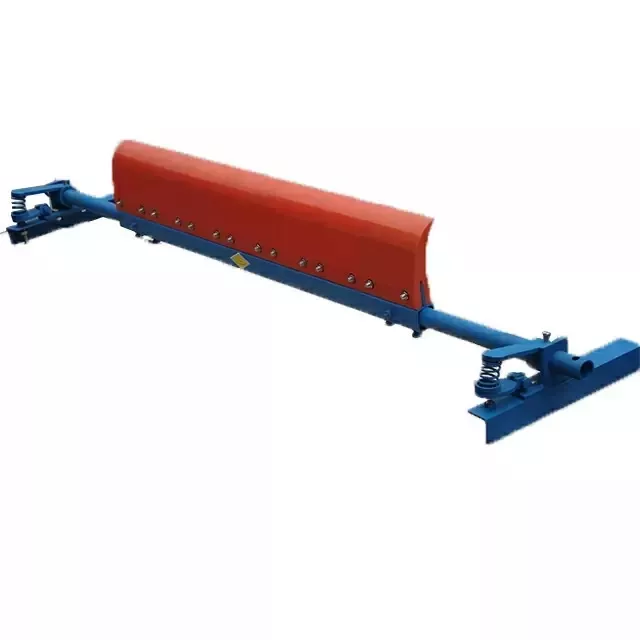
Integrated water-enhanced belt cleaning system — sealed housing with spray bars and multi-stage scrapers
Integrated vs. Traditional Scattered Cleaners
Traditional belt cleaning setups use 2-3 separate cleaners mounted at different points around the head pulley — each requiring its own mounting bracket, tensioner, and maintenance access. An integrated system consolidates everything into one sealed unit:
| Comparison | Traditional Scattered Cleaners | Integrated Belt Cleaning System |
|---|---|---|
| Number of Units | 2-3 separate cleaners | 1 integrated unit |
| Installation | Multiple mounting points | Single mounting point |
| Maintenance Access | Multiple scattered locations | Centralized through inspection doors |
| Water Spray | Not integrated or added separately | Fully integrated spray system |
| Dust Containment | Limited — open discharge | Sealed housing with built-in hopper |
| Cleaning Efficiency | Up to 95% | Up to 99% |
How to Choose the Right Belt Cleaning System
| Material Type | Primary Cleaner | Secondary Cleaner | Water-Enhanced System |
|---|---|---|---|
| Dry aggregates, sand, gravel | ✅ Polyurethane blade | Optional | Not required |
| Coal, iron ore, copper ore | ✅ Polyurethane blade | ✅ Tungsten carbide | Recommended for wet coal |
| Cement clinker, limestone | ✅ Polyurethane blade | ✅ Tungsten carbide | Optional |
| Clay, bauxite, sticky ores | ✅ Polyurethane blade | ✅ Tungsten carbide | ✅ Strongly recommended |
| Fertilizer, chemicals, salt | ✅ Stainless steel option | ✅ Tungsten carbide | ✅ Stainless steel housing |
Frequently Asked Questions
Q: How do I know if my conveyor needs a belt cleaning system?
If you see material buildup on return idlers, dust accumulation under the conveyor, or need to shovel spillage more than once per shift — you need a belt cleaning system. A quick diagnostic: place a clean tray under the return belt for 10 minutes during operation. If you collect more than a handful of material, your carryback rate justifies installing at minimum a primary belt cleaner.
Q: How long do belt cleaner blades last?
Under typical conditions: polyurethane primary blades last 6-12 months; tungsten carbide secondary blades last 12-18 months. In highly abrasive applications like iron ore or copper concentrate, expect 3-6 months for polyurethane. Quick-change cartridge designs allow blade replacement in under 15 minutes without removing the cleaner frame.
Q: When do I need a water-enhanced belt cleaning system instead of dry scrapers?
Add a water-enhanced system when: (1) your material has moisture content above 8-10% and sticks to the belt despite dry scrapers; (2) you handle clay, bauxite, or mineral concentrates that form a paste; (3) dust suppression at the head pulley is a regulatory requirement; or (4) you need 99% cleaning efficiency for downstream equipment protection in cement or fertilizer plants.
Q: Can I install a belt cleaning system on an existing conveyor?
Yes. ZOOMRY belt cleaners are designed for retrofit installation on existing belt conveyors. Primary and secondary cleaners mount to the head pulley chute or conveyor stringers using universal brackets. The integrated water-enhanced system is a self-contained unit that bolts into place — requiring only water supply and a drain connection. Most installations complete within a single maintenance shift.
Related Equipment
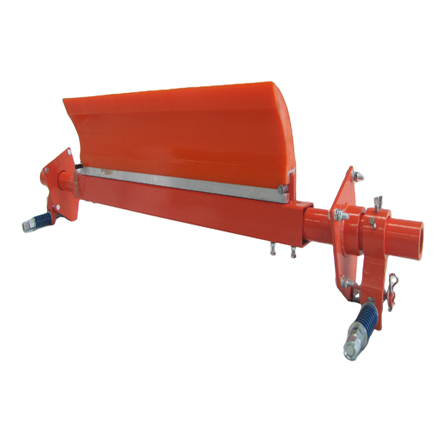
Polyurethane scraper at the head pulley — strips 60-80% of carryback as the first cleaning stage.
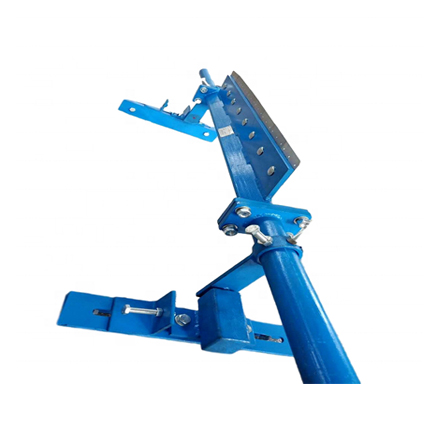
Tungsten carbide blade for fine carryback removal — 95% combined efficiency with primary.
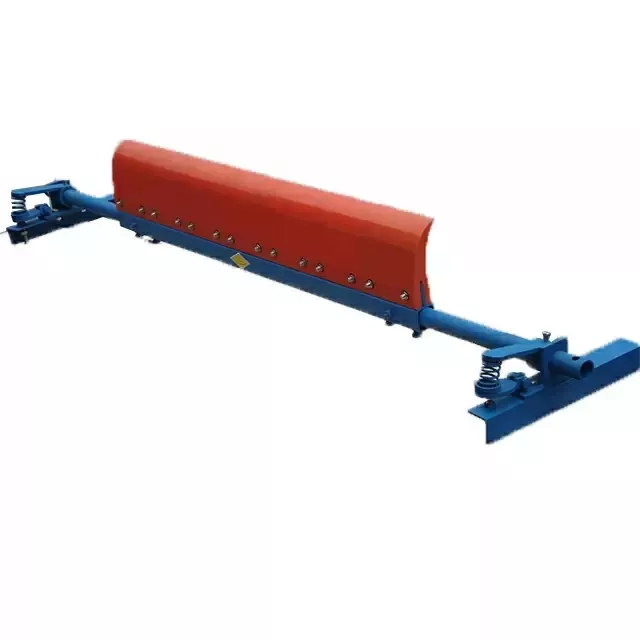
Water-enhanced multi-scraper with spray bars — up to 99% efficiency in a sealed housing.
Industry Solutions
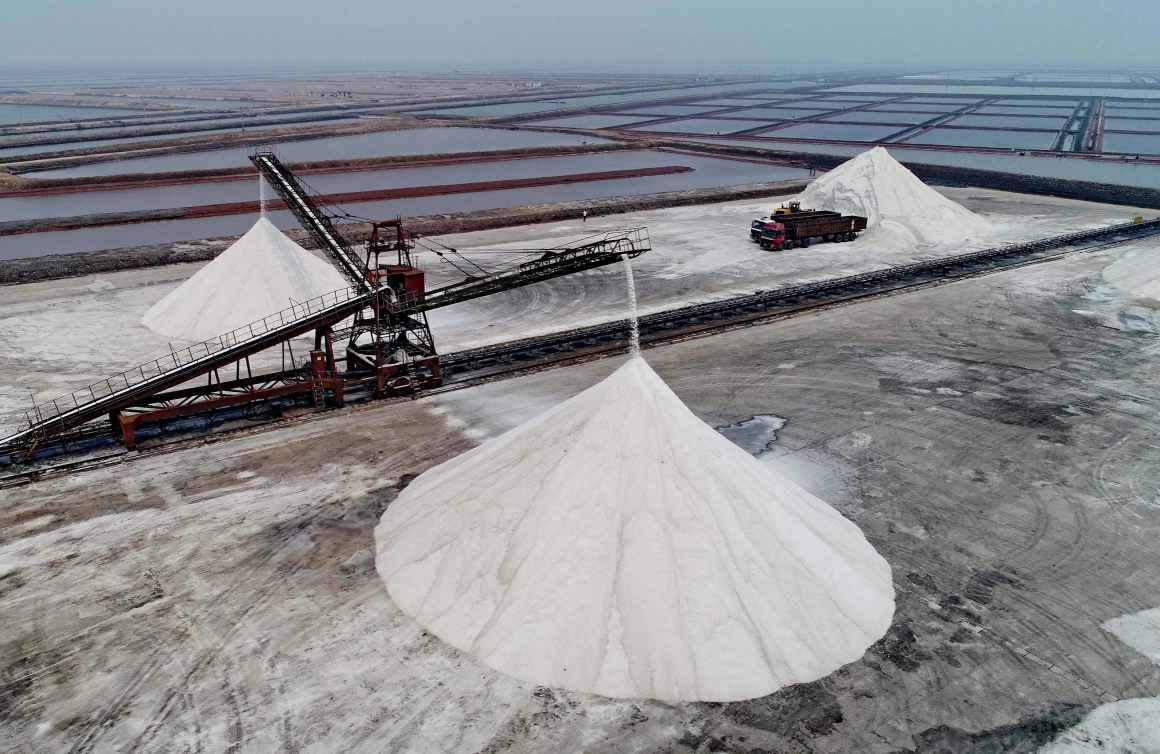
Stainless steel belt cleaning systems for corrosive salt handling environments.
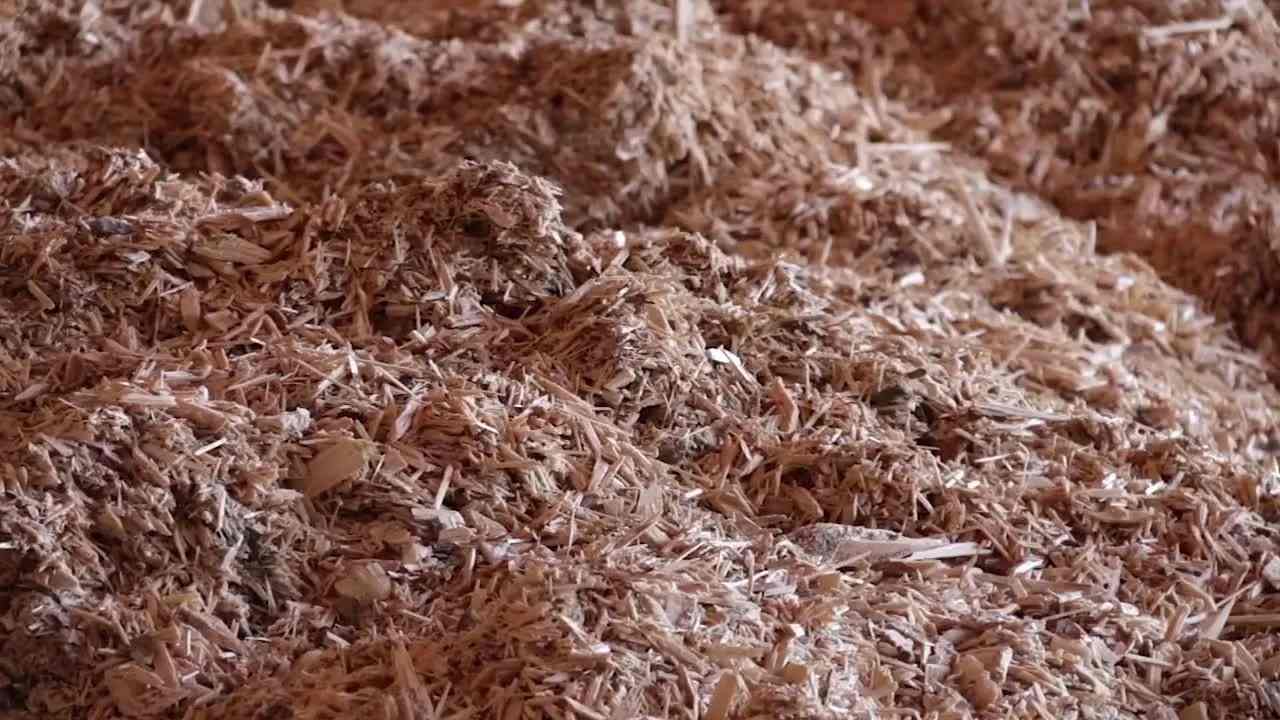
Water-enhanced cleaning for sticky biomass carryback and dust control at head sections.
Need a Belt Cleaning System for Your Conveyor?
Tell us your belt width, material type, and moisture content. Our engineers will recommend the optimal belt cleaning configuration — primary, secondary, or water-enhanced integrated system.
Get a Quote →