 ZOOMRY

Conveyor Belts appear in many familiar settings — airports, subways, supermarkets — but industrial conveyor belts operate in far more demanding environments requiring specific properties such as high-temperature resistance, corrosion resistance, and tear resistance. As a professional bulk material handling solution provider, ZOOMRY supplies a complete range of conveyor belts for mining, cement, steel, and chemical industries. Choosing the right industrial conveyor belt improves project efficiency and reduces maintenance costs — truly achieving cost reduction and efficiency enhancement.
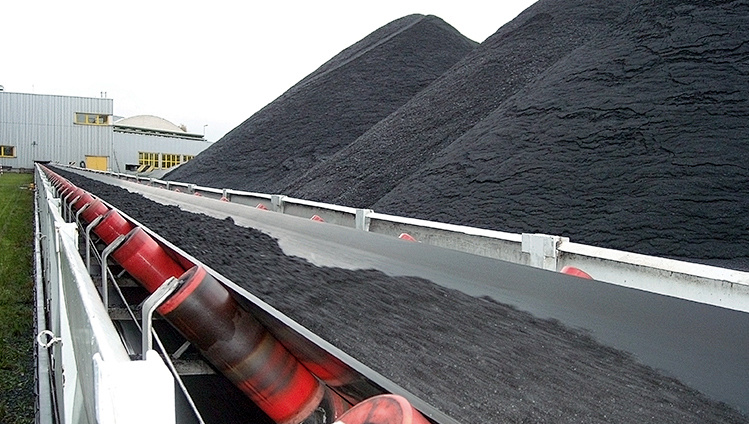
Types of Industrial Conveyor Belts
Ordinary Industrial Conveyor Belt
The most widely used type — characterized by low cost and simple maintenance. Typically made of multiple layers of rubber or synthetic materials. Not high-temperature resistant, suitable for transporting general bulk materials. ZOOMRY's fabric conveyor belts offer 3-6 ply EP or nylon construction for moderate-duty applications.
High-Temperature Conveyor Belt
Designed specifically for high-temperature environments — made of special materials such as silicone and high-temperature resistant fibers. Operates normally at temperatures above 200°C with good wear resistance and corrosion resistance. Widely used in metallurgy, casting, and glass industries. ZOOMRY's heat-resistant conveyor belts are available in T1 (100°C), T2 (150°C), and T3 (200°C) grades with EPDM/SBR compounds.
Chemical-Resistant Conveyor Belt
Suitable for environments with acid and alkali exposure — resists various chemical corrosion. Made of special corrosion-resistant materials, maintaining high efficiency even in harsh chemical environments. Mainly used in phosphate fertilizer manufacturing, seawater salt drying, and pharmaceutical industries. ZOOMRY offers belts with NBR/EPDM cover compounds for chemical resistance.
High-Strength Wear-Resistant Conveyor Belt
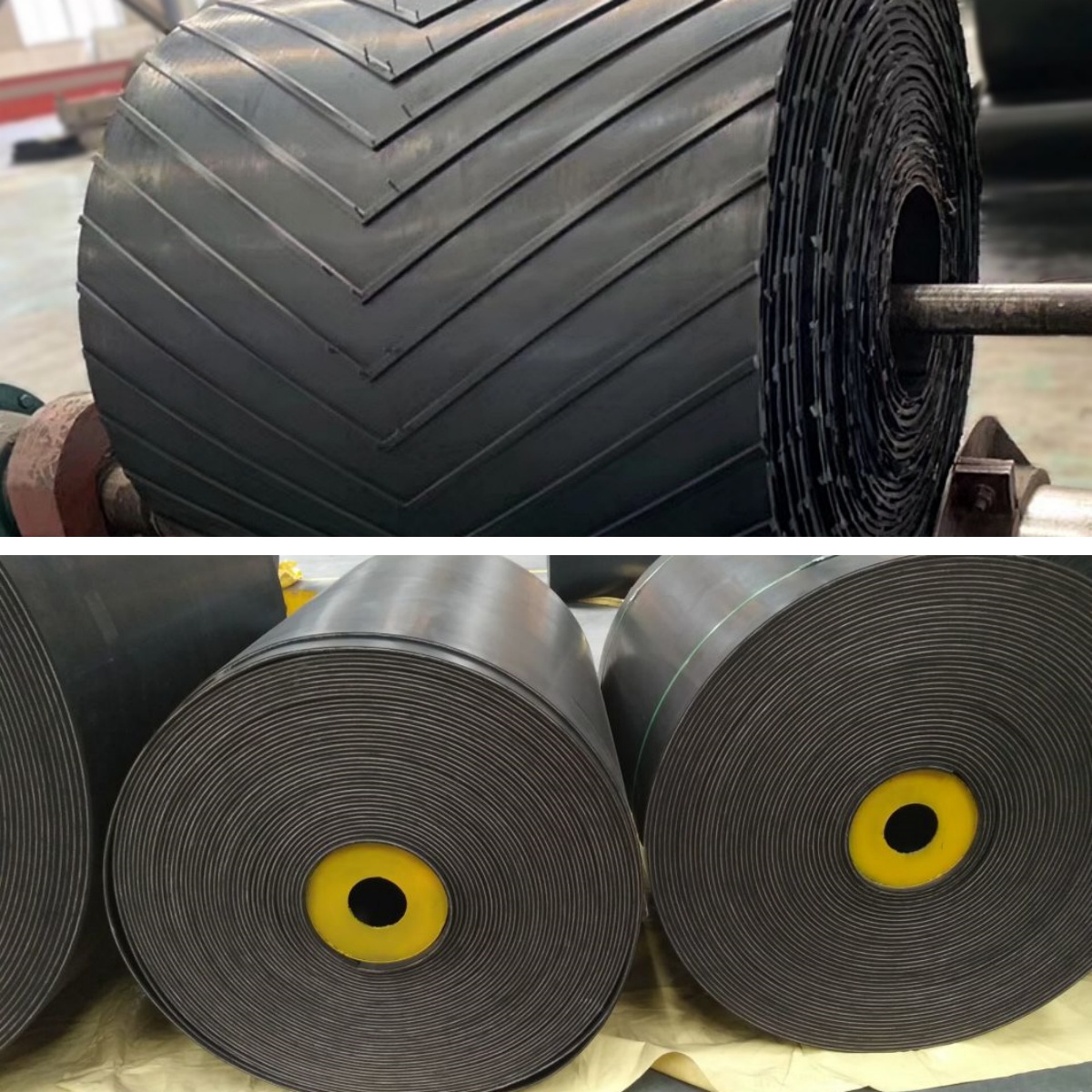
Features high strength, large transport capacity, wear resistance, high load capability, and stable transportation. Made from materials like steel cord, rubber, nylon, or polyester fiber — available in various patterns including patterned (chevron), solid woven flame-retardant, and mesh types. Suitable for long-distance and large-angle transport in mining and aggregate quarry environments.
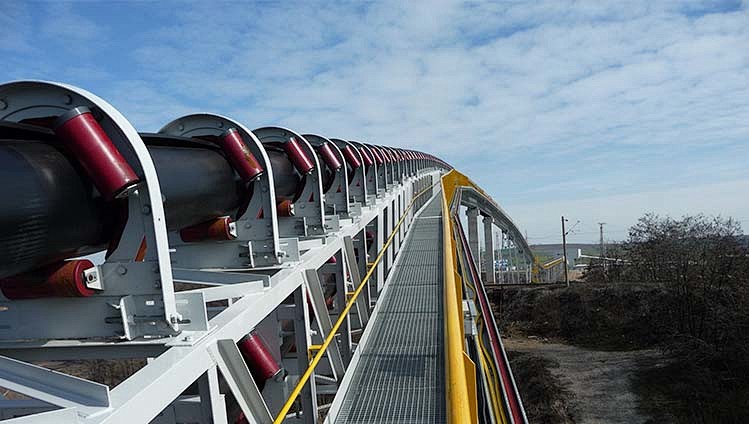
Guide to Choosing Industrial Conveyor Belts
Choosing Based on Material Characteristics
| Material Factor | Recommendation | ZOOMRY Solution |
|---|---|---|
| Temperature | For sintered ore, hot coke — use high-temperature resistant belts with special core materials | Heat-resistant belts |
| Corrosiveness | For chemical raw materials, pesticides — use acid and alkali resistant rubber belts | NBR/EPDM cover grades |
| Granularity & Shape | For large, granular, or sharp materials — use high-strength belts with steel cord core | Steel cord belts |
| Humidity | For high-moisture materials — use rubber or PVC belts with good waterproofing | EP belts (moisture-resistant) |
Choosing Based on Transport Distance
| Distance | Recommendation | ZOOMRY Solution |
|---|---|---|
| Long-Distance | High strength and wear resistance required — steel cord or nylon belts | Steel cord / Nylon belts |
| Short-Distance | Lighter, more cost-effective belts for economical operation | Fabric belts |
Related Equipment
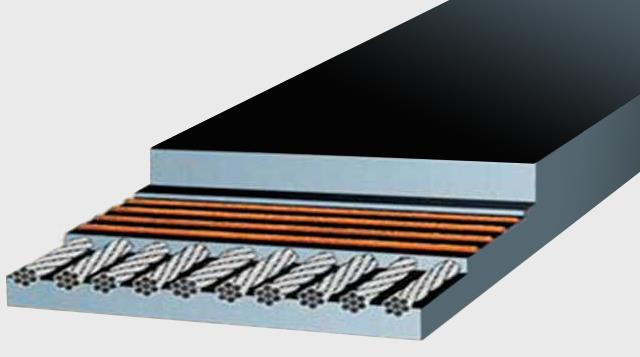
ST630–ST4000 high-tensile belts for long-distance, high-capacity industrial conveying.
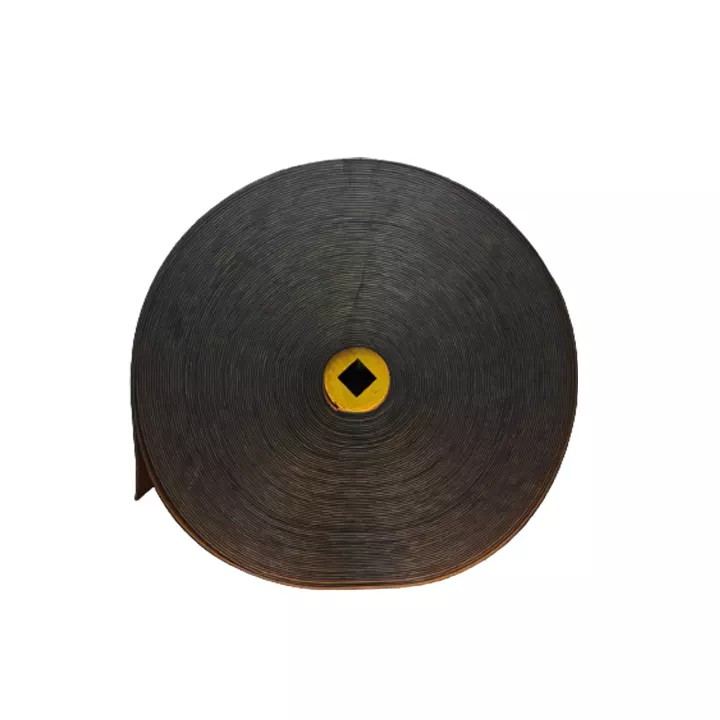
T1/T2/T3 grades — continuous operation up to 200°C for hot material handling.
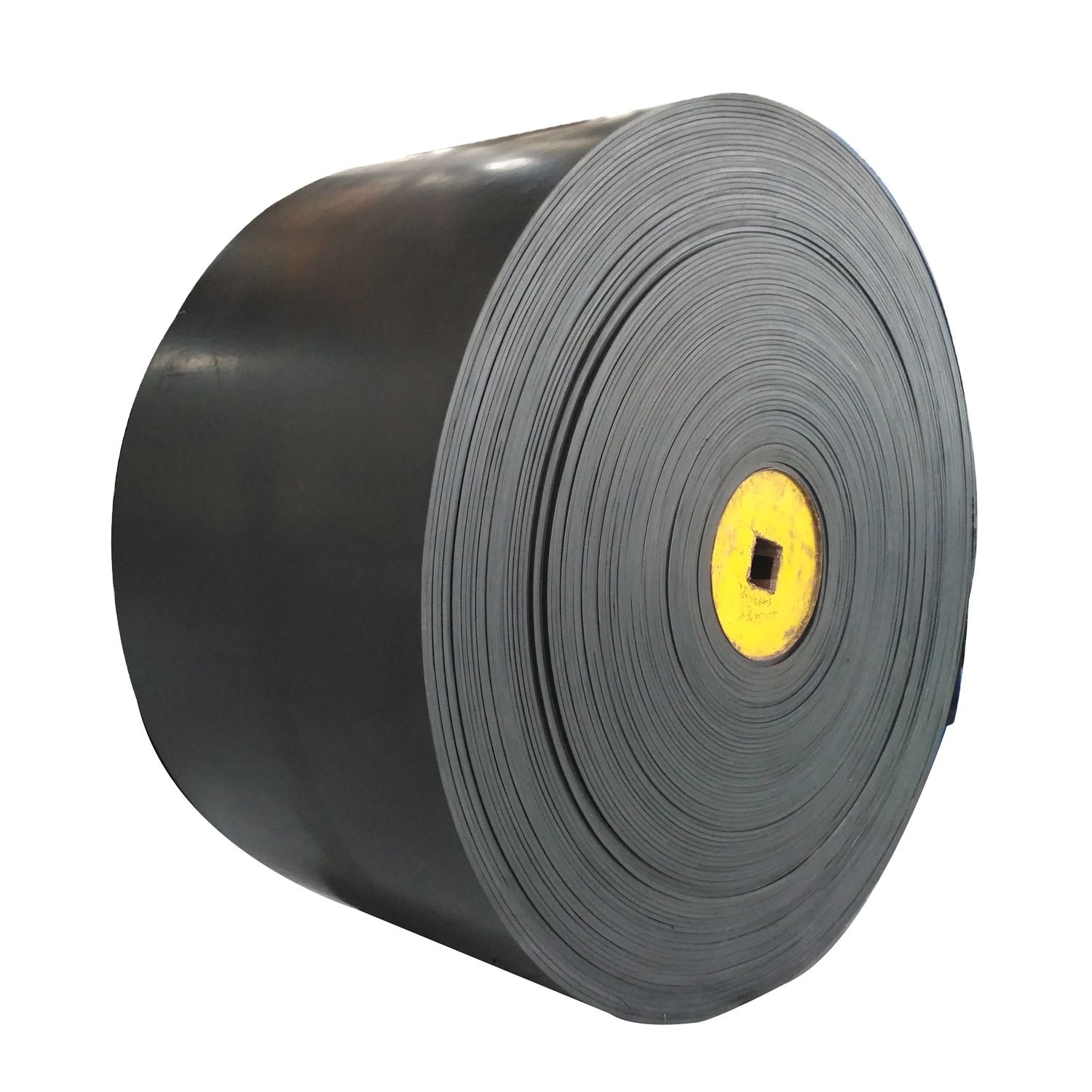
Multi-ply EP and nylon belts — economical choice for general industrial conveying.
Industry Solutions
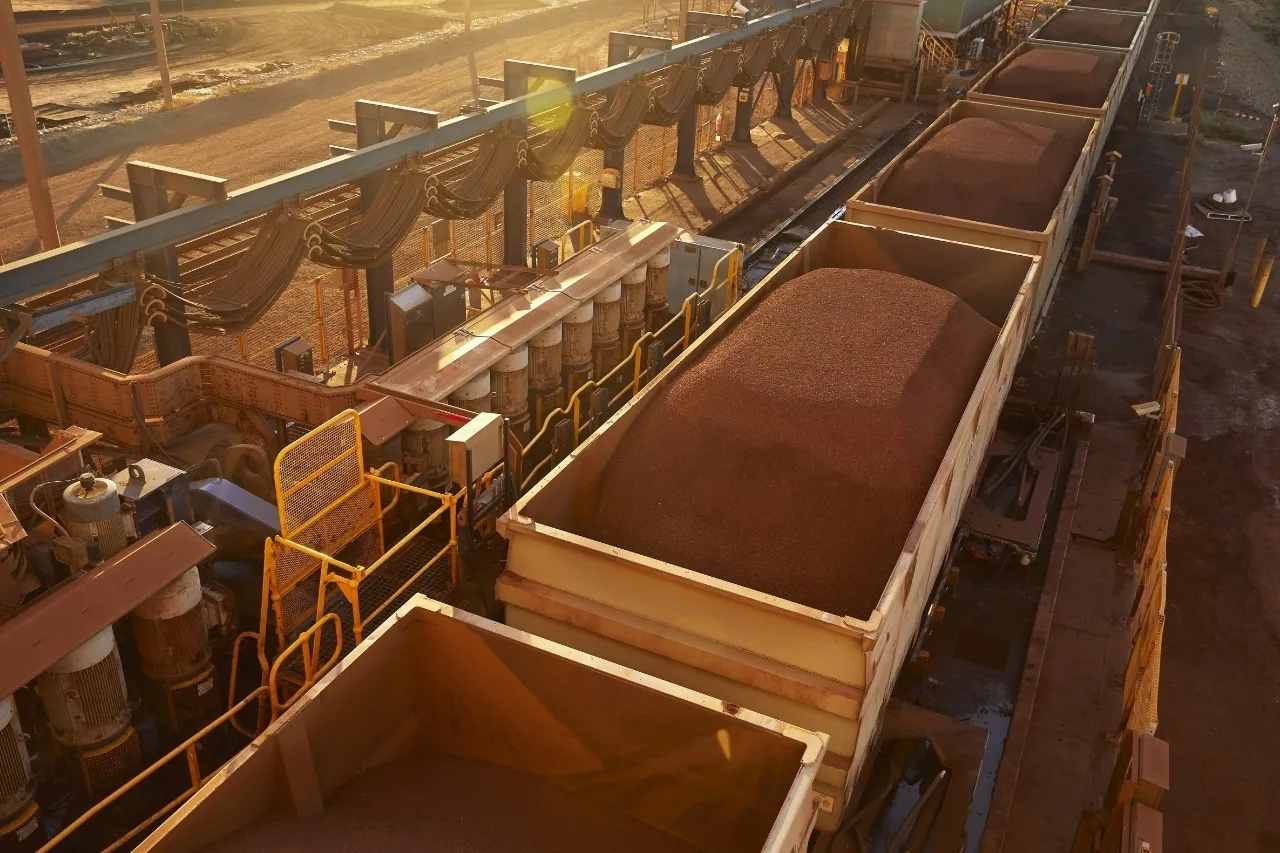
High-temperature belts for sinter, coke, and hot casting in steel mill conveyor systems.
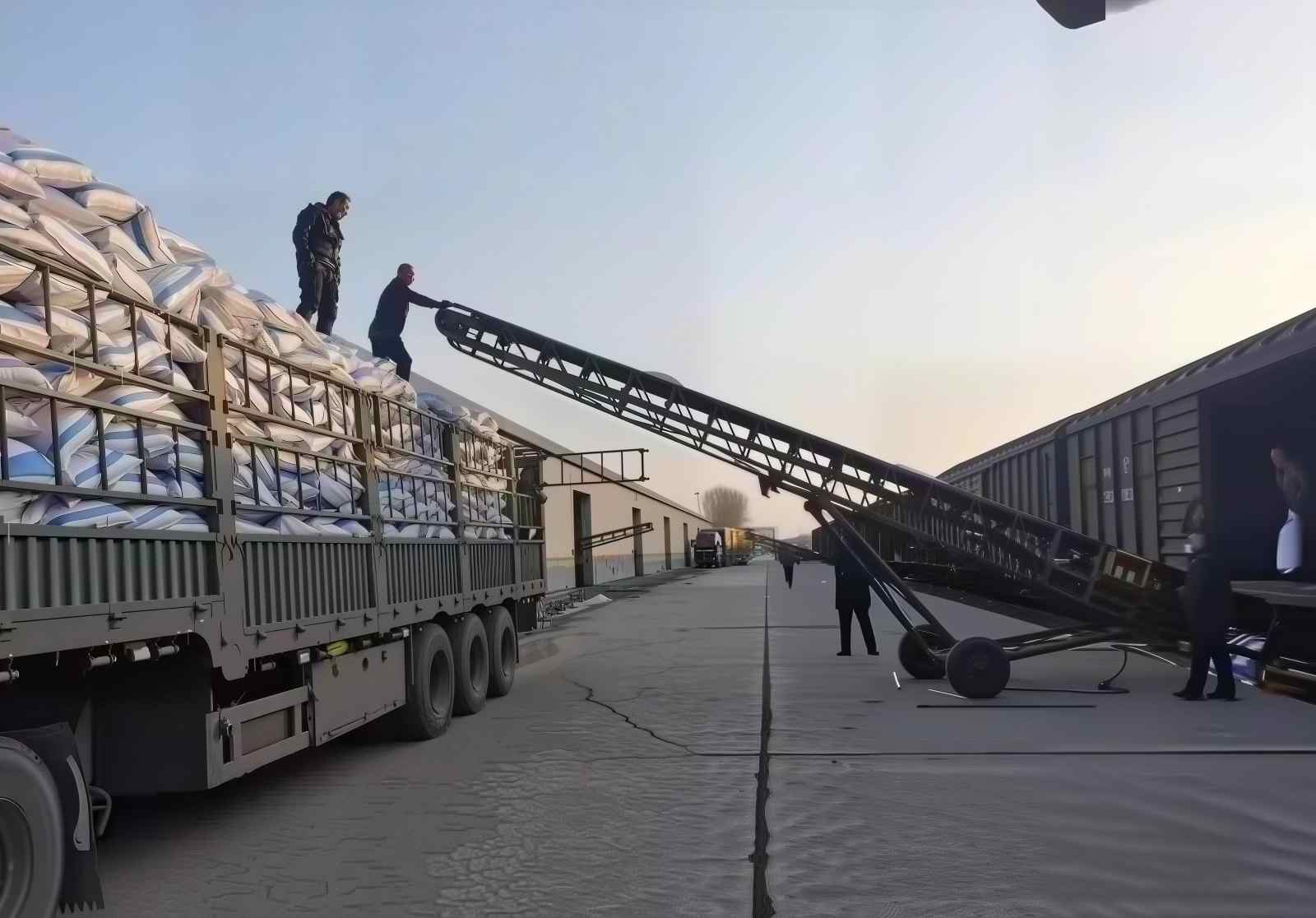
Chemical-resistant industrial belts for urea, DAP, and NPK fertilizer handling.
Need an Industrial Conveyor Belt for Your Application?
Contact ZOOMRY for belt type selection, material recommendations, and custom specifications tailored to your operating environment.
Contact Us →