 ZOOMRY

Steel Roller Overview
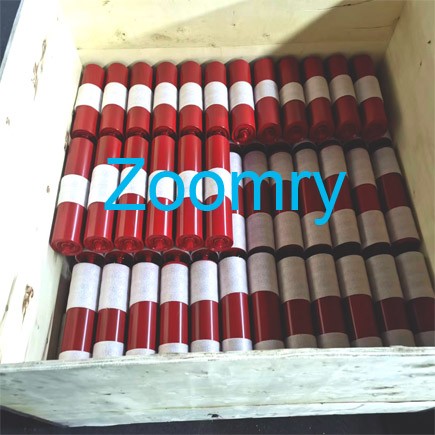
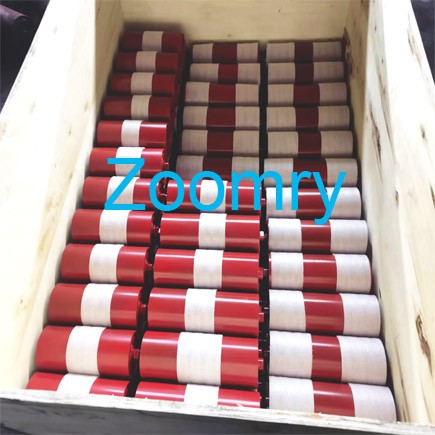
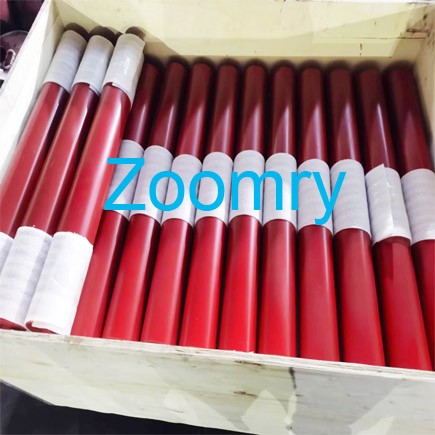
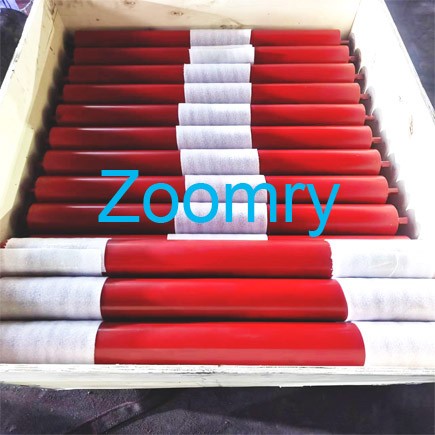
Steel conveyor rollers from ZOOMRY are heavy-duty idler components that provide load support on both carrying and return sides of belt conveyor systems. Manufactured with Q235 carbon-steel shells and precision ball bearings, these conveyor rollers are engineered for abrasive mining, coal, cement, and port bulk-handling environments where reliable rotation and extended service intervals are project requirements.
The standard range covers roller diameters from 63.5 mm to 219 mm, supporting belt widths from 500 to 2,400 mm. Each roller is available in carrying, return, and impact configurations, with bearing types and shell thickness selected according to conveyor duty. For corrosive or low-noise environments, see our HDPE conveyor rollers.
Working Principle
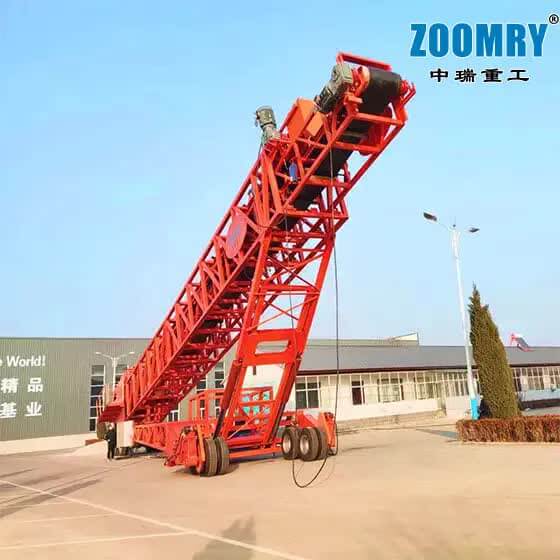
Steel rollers function as rotating support elements that reduce friction between the moving Conveyor Belt and the fixed idler frame. As the belt travels over the roller, the precision ball bearing assembly rotates the shell with minimal resistance, distributing the material load evenly across the belt width. This rotation converts what would otherwise be sliding friction into rolling friction, supporting smooth belt travel and helping maintain consistent belt tracking.
The multi-stage labyrinth sealing restricts dust, moisture, and abrasive particles from entering the bearing chamber. Each seal stage creates a tortuous path that traps contaminants before they reach the bearing assembly, supporting consistent rotation resistance over the roller service life. This differs from open-bearing designs, which are more susceptible to contamination ingress in dusty conveyor environments.
Key Features
- Triple Labyrinth Seal: Multi-stage sealing arrangement restricts dust and moisture ingress, supporting bearing performance in abrasive mining and coal environments.
- Sealed Bearing Assemblies: Pre-lubricated bearing arrangements reduce or eliminate routine greasing requirements under normal operating conditions, subject to the selected sealing configuration and site maintenance program.
- Interchangeable Roller Assemblies: Standardized mounting dimensions allow individual roller replacement without frame modification, supporting simplified spare parts management.
- Low Rotation Resistance: Precision bearings and balanced shell construction contribute to low rolling resistance for specified configurations and test conditions.
- Multi-Standard Design Options: Roller dimensions, shaft details, bearing arrangements, and mounting interfaces can be configured to project requirements based on applicable JIS, CEMA, SABS, AS, DIN, ISO, or GB standards.
Related Conveyor Roller Configurations
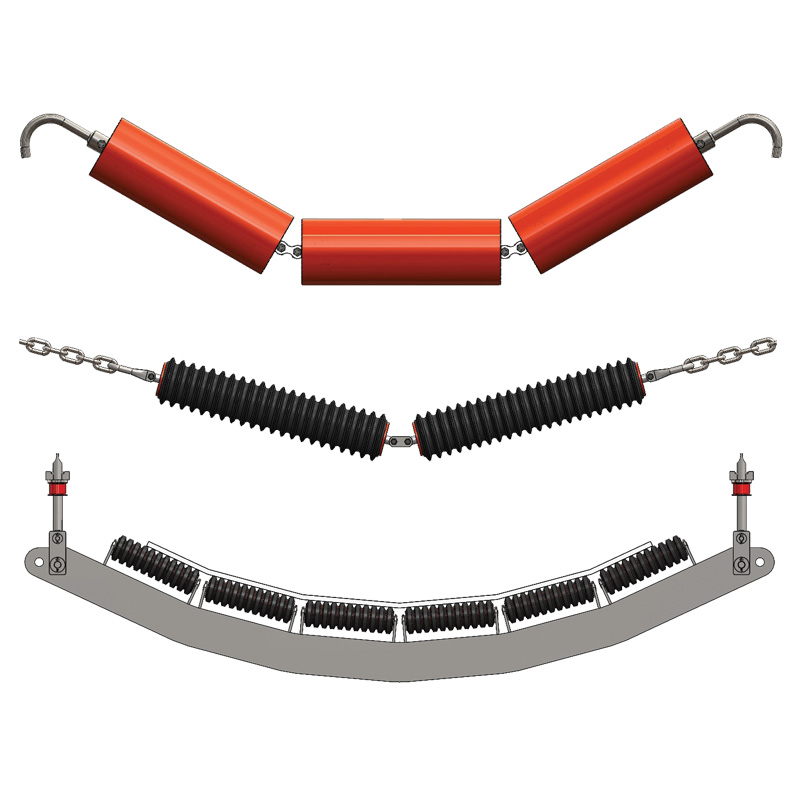
The table below compares standard steel rollers with related ZOOMRY roller configurations for specific application requirements.
| Configuration | Shell Material | Best For | Corrosion Resistance | Typical Belt Width |
|---|---|---|---|---|
| Standard Steel Roller | Q235 carbon steel | General abrasive bulk handling | Standard; coated options available | 500–2,400 mm |
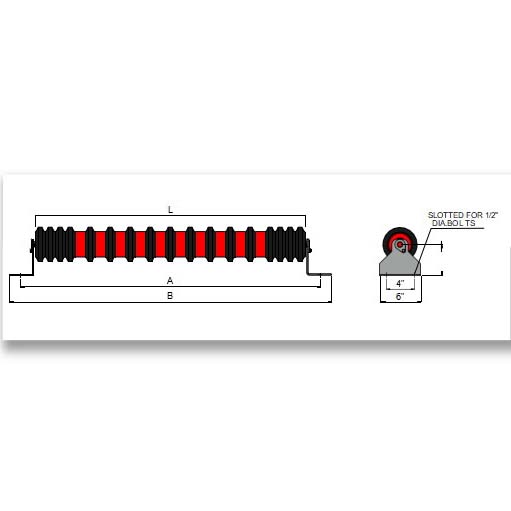
| Impact Roller | Steel core + rubber cushion rings | Fixed-frame loading zone cushioning | Standard steel core | 500–2,000 mm |
| HDPE Roller | High-density polyethylene | Corrosive fertilizer, salt, chemical | Excellent | 500–2,400 mm |
| Rubber Disc Return Roller | Steel core + rubber discs | Sticky carryback on return side | Standard steel core | Up to 2,400 mm |
| Steel Spiral Return Roller | Welded steel helix | Self-cleaning return side | Standard steel | Up to 2,400 mm |
| Garland Roller | Steel rollers on hinged frame | Suspended high-impact loading zones | Standard steel | 600–1,200 mm |
Steel Roller Dimensions & Specifications
| Standard Diameter (mm) | Standard Diameter (Inch) | Length Range (mm) | Bearing Types (Min–Max) | Shell Wall Thickness |
|---|---|---|---|---|
| 63.5 | 2 1/2 | 150–3,500 | 204 | 3.0–3.75 mm |
| 76 | 3 | 150–3,500 | 204, 205 | 3.0–4.0 mm |
| 89 | 3 1/2 | 150–3,500 | 204, 205 | 3.0–4.0 mm |
| 102 | 4 | 150–3,500 | 204, 205, 305 | 3.5–4.0 mm |
| 108 | 4 1/4 | 150–3,500 | 204, 205, 305, 306 | 3.5–4.0 mm |
| 114 | 4 1/2 | 150–3,500 | 204, 205, 305, 306 | 3.5–4.5 mm |
| 127 | 5 | 150–3,500 | 204, 205, 305, 306 | 3.5–4.5 mm |
| 133 | 5 1/4 | 150–3,500 | 204, 206, 207, 305, 306 | 3.5–4.5 mm |
| 152 | 6 | 150–3,500 | 204, 206, 207, 305, 306, 307, 308 | 4.0–4.5 mm |
| 159 | 6 1/4 | 150–3,500 | 204, 206, 207, 305, 306, 307, 308 | 4.0–4.5 mm |
| 165 | 6 1/2 | 150–3,500 | 207, 305, 306, 307, 308 | 4.5–6.0 mm |
| 194 | 7 5/8 | 150–3,500 | 207, 307, 308, 309, 310 | 4.5–6.0 mm |
| 219 | 8 5/8 | 150–3,500 | 308, 309, 310 | 4.5–6.0 mm |
The stated 150–3,500 mm range covers the complete steel roller series. Available length, wall thickness, shaft size, and bearing selection vary by roller diameter, belt width, load duty, and mounting configuration. Standard steel rollers are suitable for mining, coal, cement, port, and aggregate conveying where abrasive wear resistance is a key requirement. For corrosive environments such as fertilizer plants or coastal salt terminals, HDPE roller alternatives are recommended.
What Information Do We Need for Steel Roller Selection?
To provide an accurate steel roller specification, please share the following project parameters:
- Conveyor belt width and roller diameter: Belt width in mm, and whether existing frames require a specific roller diameter.
- Roller duty and position: Carrying side, return side, or impact zone application.
- Material characteristics: Bulk density (t/m³), lump size, moisture content, and whether material is abrasive or corrosive.
- Operating environment: Dust level, humidity, temperature range, and exposure to water or chemicals.
- Existing equipment and installation context: Current roller type, frame dimensions, bearing standard, and whether this is a retrofit or new installation.
Related Solutions
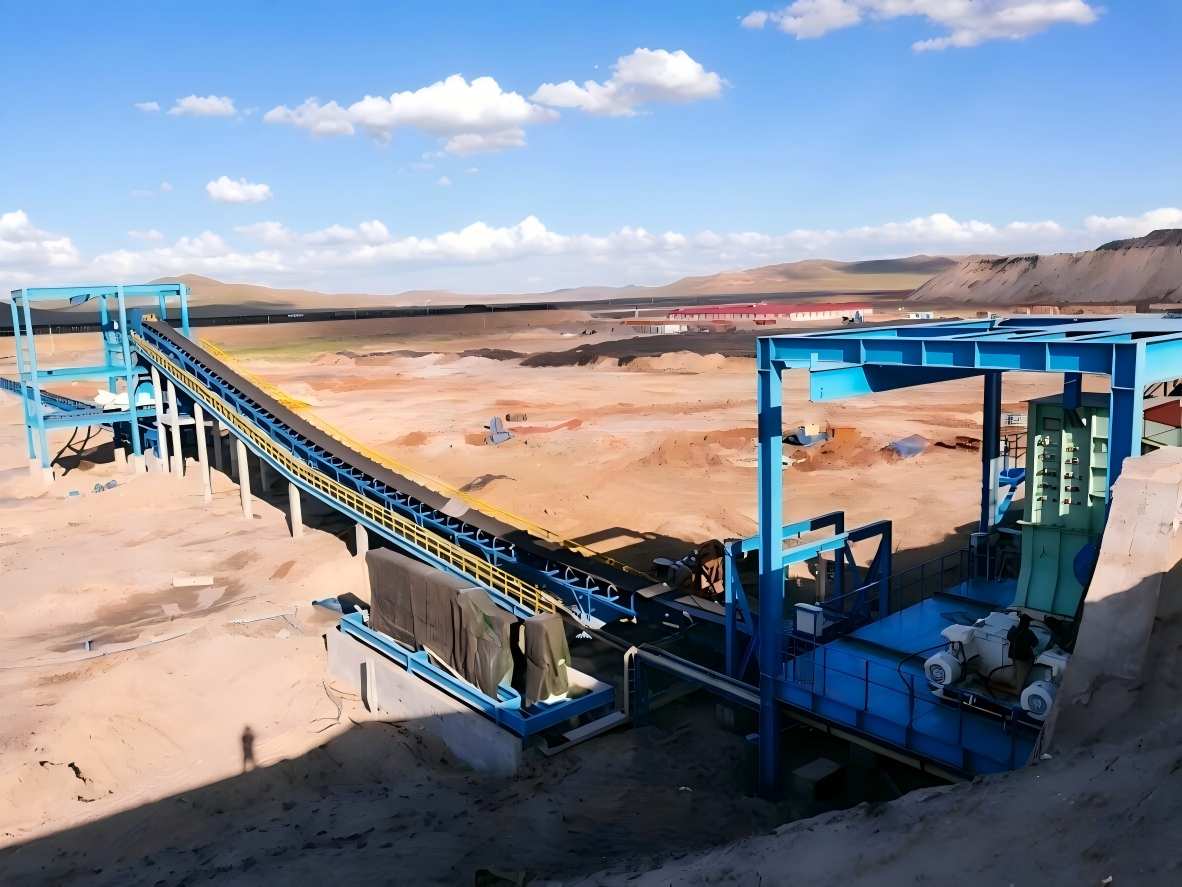
Mining Conveyor Systems
Heavy-duty steel rollers for abrasive ore conveying in surface and underground mining operations.
View Mining Solutions →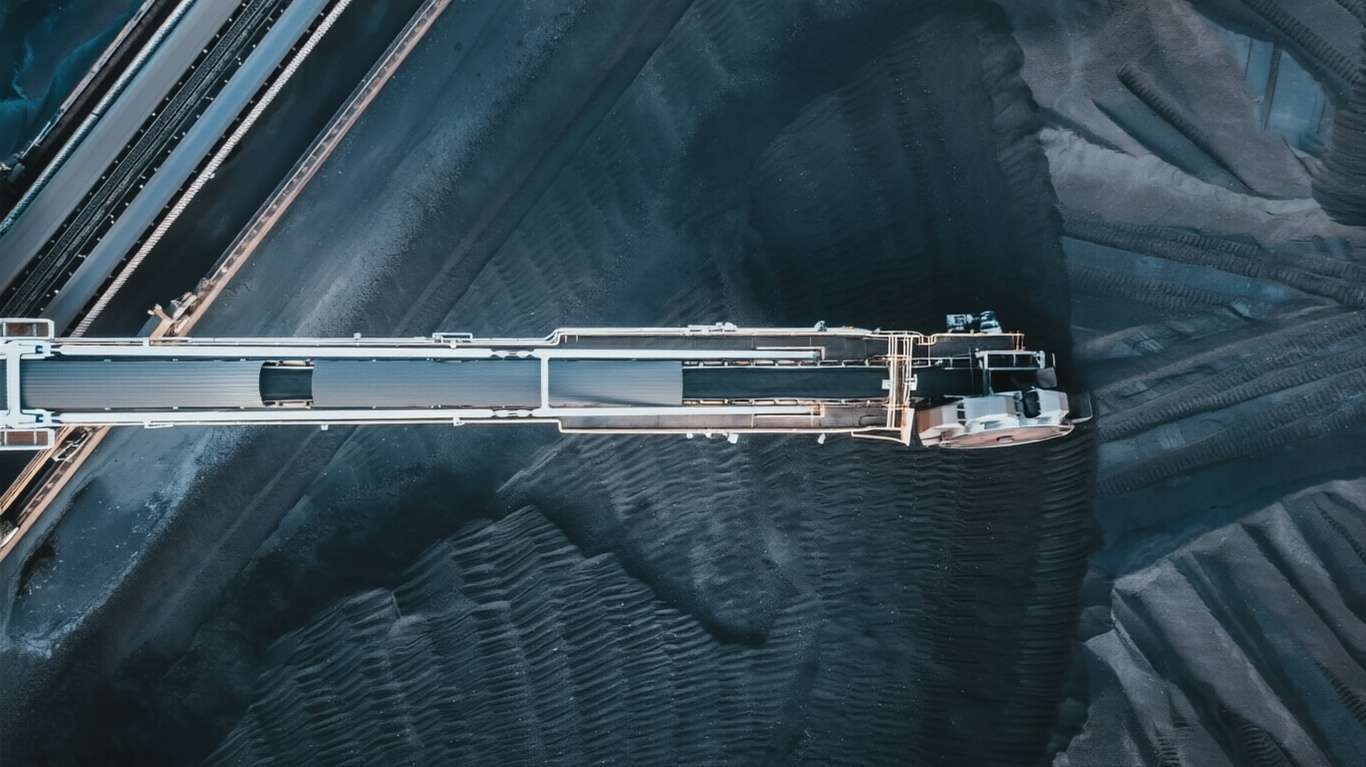
Coal Handling
Steel conveyor rollers engineered for continuous coal conveying in mines, washeries, and power plants.
View Coal Solutions →Need a Steel Roller Specification for Your Conveyor?
Tell us your belt width, roller diameter, and operating environment — our engineers will recommend the right bearing type, shell thickness, and sealing arrangement.
Request Steel Roller Quote →