 ZOOMRY

A belt conveyor is an industrial bulk material handling system that uses a Conveyor Belt as the component for bearing and traction, achieving continuous circular operation through friction drive. It serves as the fundamental equipment for efficient, low-cost transshipment of bulk materials in mining, coal, cement, ports, metallurgy, chemical, and thermal power industries worldwide. From fixed trough-type conveying to customized systems — long-distance overland, steep inclination, enclosed tubular, mobile radial telescopic stacking, and port ship loading — belt conveyors have evolved into integrated bulk material handling solutions.
ZOOMRY specializes in R&D, manufacturing, and EPC contracting of belt conveyor systems. As a manufacturer with a 40,000m² production facility and over 20 years of experience, ZOOMRY produces core components — including rollers and idlers — in-house, ensuring quality consistency and competitive delivery. Products are designed and manufactured in accordance with applicable ISO standards and carry CE, EAC, and KCS certifications where required for target markets.
What Is a Belt Conveyor and How Does It Work
Core Definition
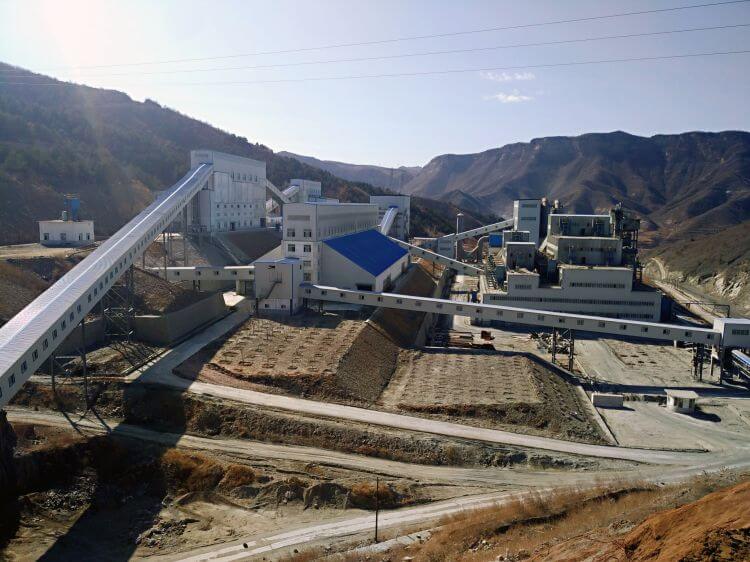
A belt conveyor is a mechanical system that uses a conveyor belt as the component for bearing and traction of materials. It drives the closed-loop conveyor belt to circulate via the friction between the drive pulley and the conveyor belt, realizing continuous and stable conveying from the feeding end to the discharging end. Unlike intermittent handling equipment, belt conveyors are designed for continuous bulk material conveying when properly selected, operated, and maintained.
Product Classification
For selection purposes, belt conveyor systems are commonly grouped into the following types:
- Trough Belt Conveyor: The most common type, where idler sets press the conveyor belt into a trough shape to enhance loading capacity and prevent material scattering. Suitable for horizontal or small-inclination conveying.
- Pipe Belt Conveyor: A series of six idlers arranged around the belt progressively forms it into a tubular cross-section for enclosed material conveying. The system can follow horizontal and vertical curves designed for the project layout, making it suitable for routes crossing residential areas, roads, and tunnels where dust and spillage control are required.
- Long-Distance Overland Belt Conveyor: Adapted to complex terrains such as mountainous and cross-sea areas, with long single-flight distances subject to material, terrain, belt specification, drive configuration, and project requirements.
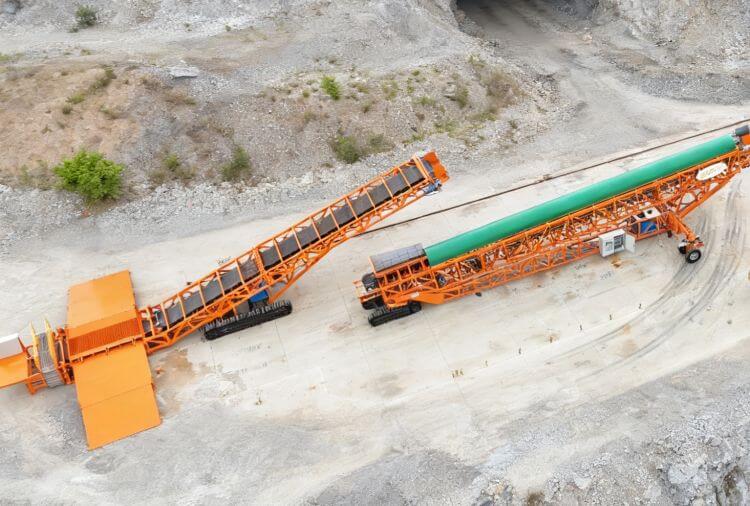
- Mobile Radial Telescopic Stacker / Ship Loader: Movable, rotatable, telescopic, and luffing equipment. The radial, telescopic, and luffing movements help create larger and more controlled stockpiles than fixed-direction stacking arrangements. Suitable for ports, mines, and stockyards.
- Mobile Hopper Feeder / Truck Unloader: Adapted to ports, mining areas, and stockyards for rapid unloading and continuous feeding. Project-specific capacity configurations are available to match truck types, material characteristics, and downstream conveyor capacity.
- Mobile Grasshopper/Jump Conveyor: Portable and movable, suitable for short-distance transshipment and cascade use in construction sites and sand-gravel yards.
Working Principle of Belt Conveyors
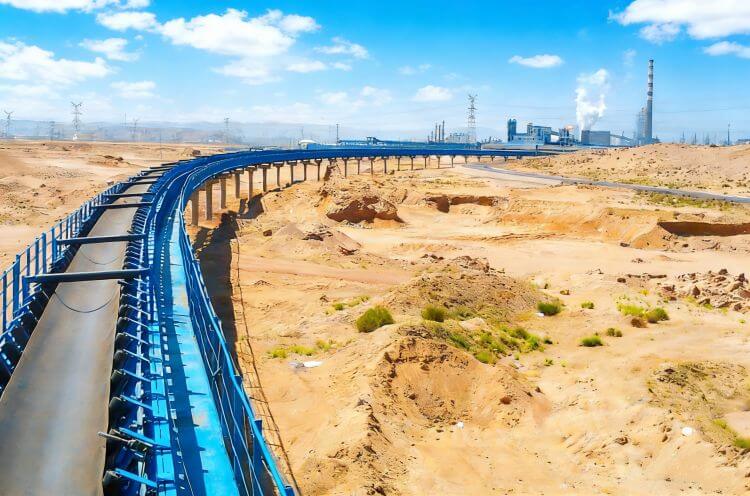
The operation of belt conveyors is based on two core principles: friction drive and closed-loop continuous bearing. The complete process:
- motor → Reducer → Coupling converts high-speed power into low-speed high torque, transmitting to the drive pulley.
- Static friction between the drive pulley surface and conveyor belt overcomes operating resistance, driving the belt at constant speed.
- The conveyor belt forms a closed loop around drive, bend, and tension pulleys, running continuously.
- Materials feed evenly from the hopper, move synchronously with the belt, and discharge at the unloading end.
- The empty belt returns to the feeding end supported by return rollers, completing one working cycle.
In summary: Power drives the pulley → Friction drives the belt → Belt carries materials → Continuous directional conveying.
How Pipe Belt Conveyors Work
The pipe belt conveyor is an enclosed variant. At the feeding section, six idlers arranged progressively around the belt form it into a tubular cross-section, completely enclosing the material to eliminate spillage, dust, and rainwater infiltration. The system can follow horizontal and vertical curves designed for the project layout, allowing it to bypass buildings, roads, and mountains without intermediate transfer points. The return section is also tubular, providing full-process enclosed conveying.
How Mobile Stackers and Ship Loaders Work
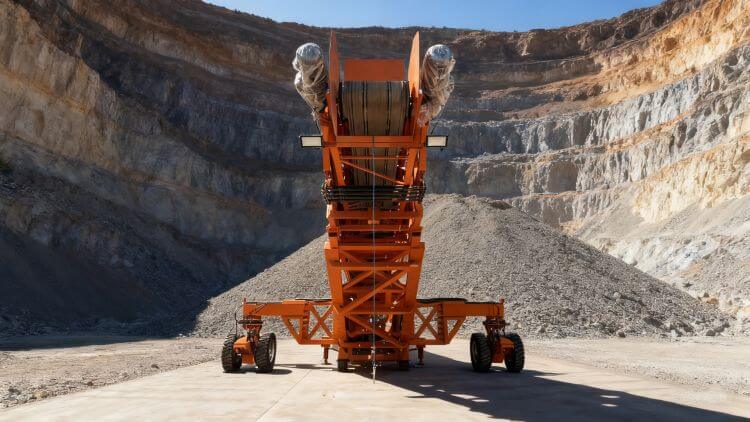
The ZR-SF series radial telescopic stacker integrates mechanical, hydraulic, and electronic control: the hydraulic power unit controls lifting, rotation, telescoping, and luffing; the hydraulic winch with steel wire rope drives boom extension with safety locking mechanisms for power-off and rope-break protection; PLC + HMI + remote control supports automated stacking; and the wheeled or tracked chassis enables free site transfer without fixed foundations.
Key Components of Belt Conveyors
Idlers and Idler Sets
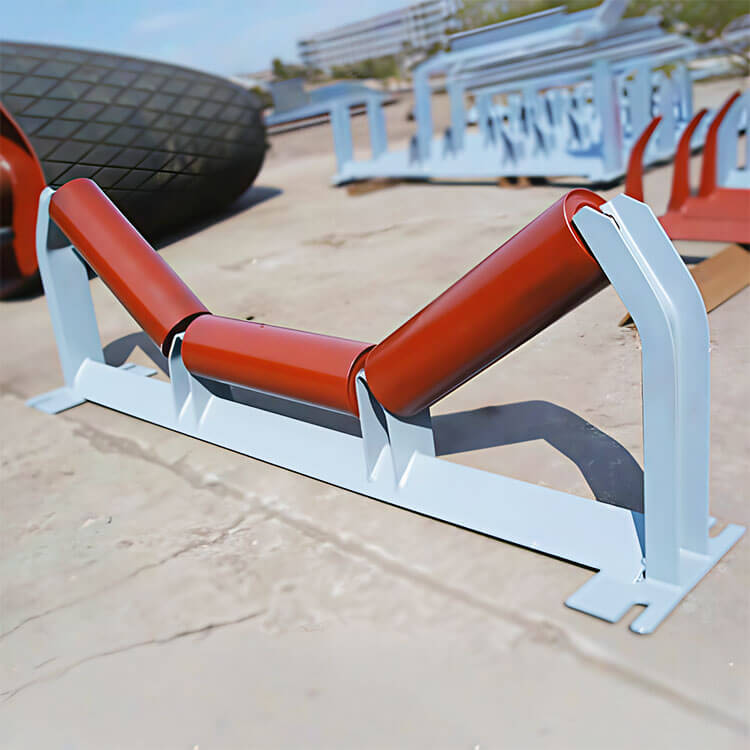
Idlers support the conveyor belt, reduce operating resistance, and ensure stable operation. Common types include trough carrying idlers, transition idlers, impact idlers, return idlers, and self-aligning idlers. Idler specifications — including diameter, wall thickness, bearing type, seal design, and spacing — are selected according to belt width, material load, belt speed, and operating environment. For detailed idler specifications and selection guidance, refer to the conveyor roller product page.
Pulleys
Pulleys are divided into drive pulleys (transmitting power, typically with rubber or ceramic lagging to enhance friction), bend pulleys (changing belt direction), and tension pulleys (maintaining constant belt tension via screw, hydraulic, or gravity take-up). Pulley material selection, shaft design, and manufacturing processes are determined by belt tension, wrap angle, and operating conditions.
Conveyor Belt
The conveyor belt undertakes both material bearing and power transmission. Belt carcass types include fabric (EP, NN), steel cord, and solid woven constructions, with cover compounds selected for wear resistance, heat resistance, oil resistance, or flame retardancy according to the application.
Drive, Tension, Safety, and Cleaning Systems
The drive system (motor, reducer, coupling) determines conveying speed and capacity. Mobile models can be equipped with on-board diesel generators for off-grid operation. The tension device maintains constant belt tension. Safety protection includes deviation switches, pull cord emergency stops, overload protection, and anti-falling protection for telescopic models. The cleaning system can be configured with primary, secondary, V-return, and water-assisted cleaning stages according to carryback conditions.
Application Scenarios
Pipe Belt Conveyor
Fully enclosed conveying with the ability to navigate horizontal and vertical curves. Used for projects with high environmental requirements, complex terrain, and long-distance conveying where dust control and spillage prevention are critical.
Radial Telescopic Stacker
Rotation + telescoping + luffing movements create larger and more controlled stockpiles than fixed-direction stacking arrangements. Used in ports, mines, sand-gravel yards, and cement raw material stockyards where flexible stockpile management is required.
Mobile Ship Loader
Adaptable to various vessel sizes from barges to Panamax class with flexible positioning and telescopic reach. Used in bulk cargo terminals and coastal and riverine loading operations.
Heavy Duty Hopper Feeder and Truck Unloader
Configured for rapid truck unloading and continuous material feeding to downstream conveyors. Project-specific capacity and configuration options are available based on truck types, material characteristics, and site conditions.
Selection and Maintenance
Core Selection Factors
- Material characteristics: particle size, density, humidity, corrosiveness, angle of repose.
- Process parameters: hourly conveying capacity, conveying distance, inclination angle, turning radius.
- Working environment: temperature, altitude, site size, environmental requirements.
- Applicable standards and regulations for the project location.
Operation and Maintenance
- Regularly inspect idlers and pulleys; replace damaged or worn components promptly.
- Maintain proper belt tension to prevent slipping and deviation.
- Keep the cleaning system functioning to reduce wear from material buildup.
- Follow manufacturer-recommended maintenance schedules for hydraulic systems, chassis, and engines on mobile models.
Belt conveyors have evolved from fixed equipment into intelligent, mobile, and customized integrated systems. With over 20 years of experience, ZOOMRY provides bulk material conveying solutions for global mining, port, cement, coal, and metallurgy industries. As a manufacturer with a 40,000m² production facility, ZOOMRY produces core components in-house — including rollers and pulleys — with quality management systems certified to applicable ISO standards. Products carry CE, EAC, and KCS certifications where required for target markets. View ZOOMRY's belt conveyor EPC project cases to see proven solutions worldwide.
Related Products
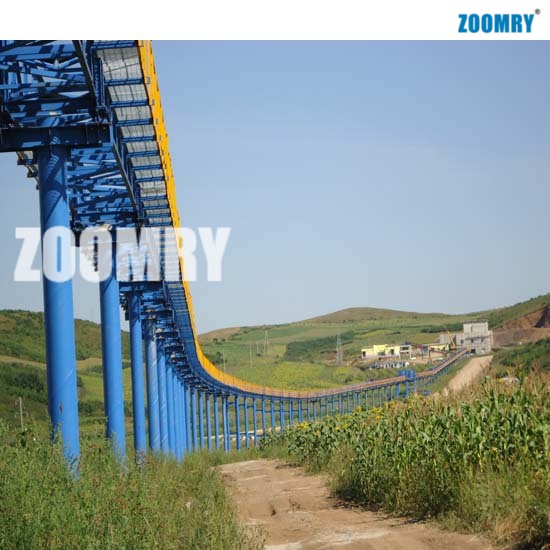
Long-distance curved conveying for mining and industrial applications
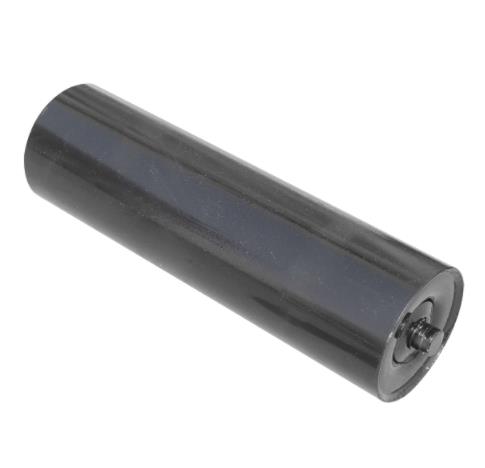
Steel and HDPE rollers — configured to project specifications
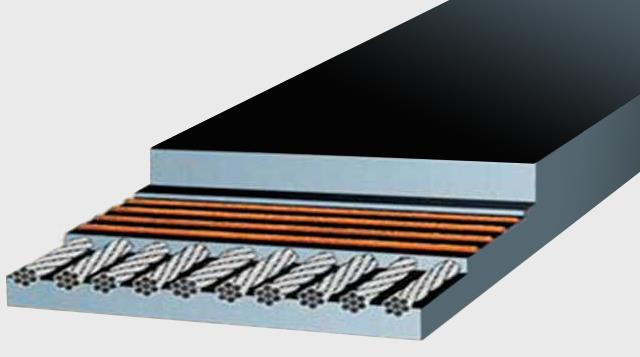
Steel cord, fabric, and heat-resistant belt options
Industry Applications
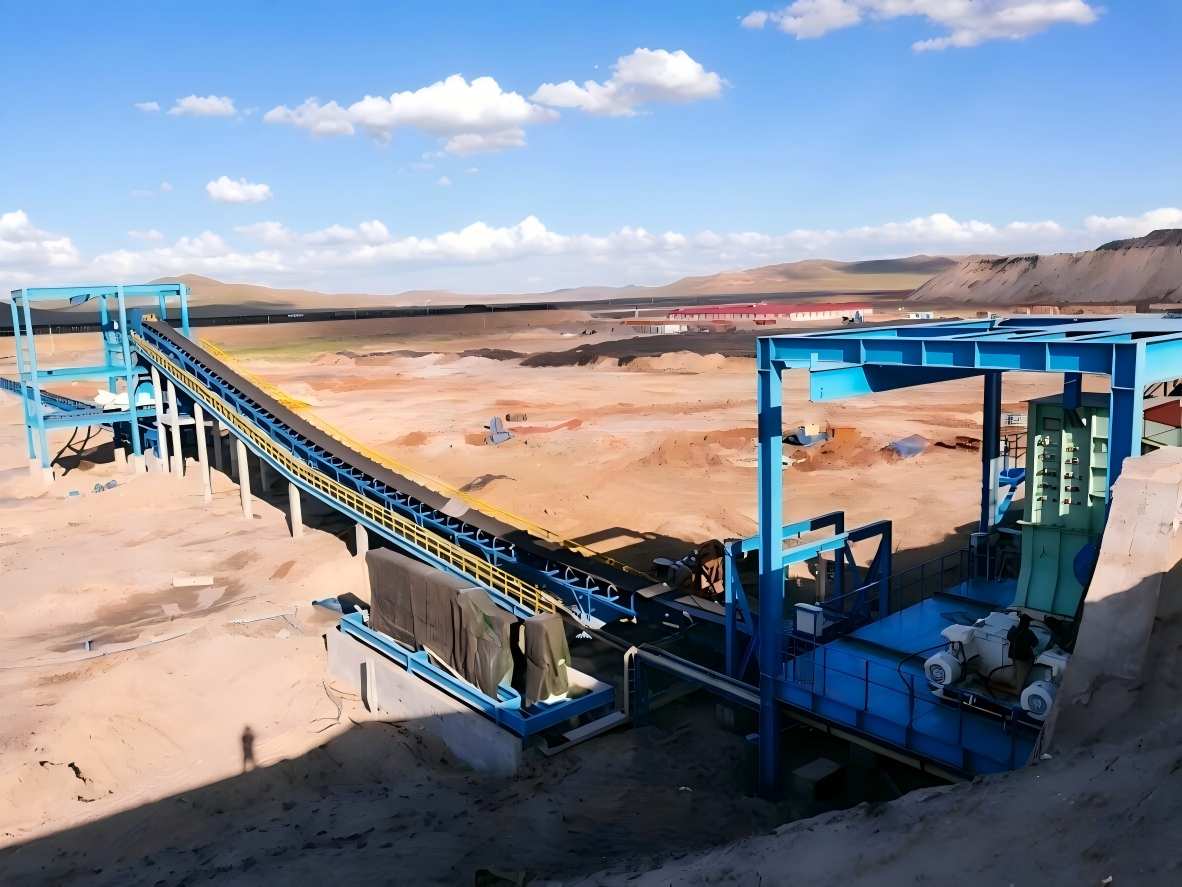
Heavy-duty belt conveyors for ore, coal, and minerals
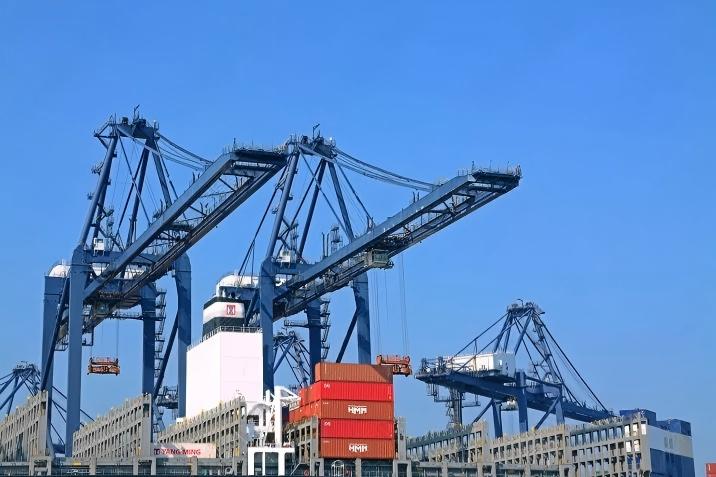
Belt conveyor systems for port bulk material handling
Need a Belt Conveyor System for Your Operation?
Contact ZOOMRY for belt conveyor design, manufacturing, and EPC project execution tailored to your material, capacity, and site conditions.
Contact Us →